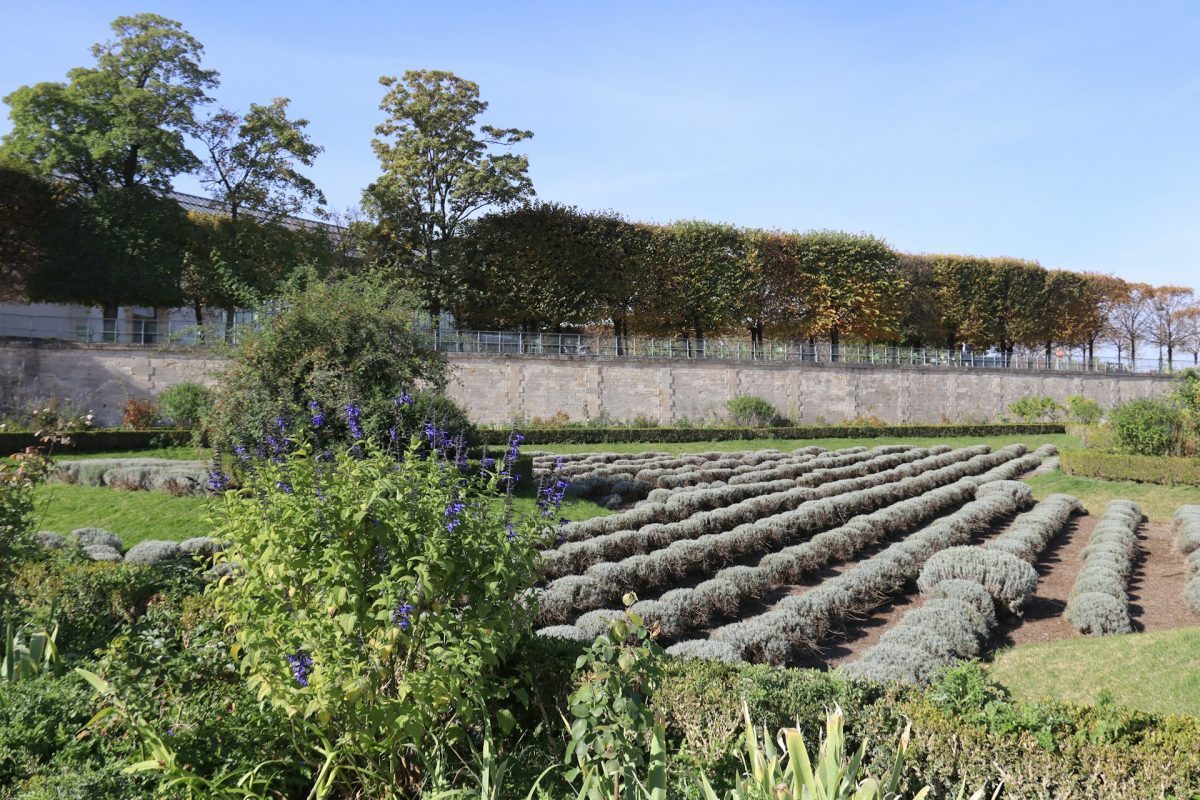
A messy garden row can ruin the whole vibe. Seeds go in with good intentions, but without clear lines, everything turns into a guessing game faster than weeds can pop up. Order matters in a garden, and not just for looks. Clear rows help track what grows where, prevent accidental trampling, and make watering and weeding way more efficient. A little structure turns chaos into calm, and the best part is that it does not require a big budget or fancy tools to get there.
Creative gardeners know how to stretch a dollar while still making things look sharp and purposeful. Clever row markers do more than label crops—they guide the entire growing process from day one to harvest. Simple materials can create strong visual lines, boost productivity, and even add a bit of personality to the space. This list dives into five fun, practical, and affordable ways to mark garden rows clearly, all while keeping things lively and easy to pull off.
1. String Lines That Snap Into Place Like Magic
Nothing beats the clean, satisfying look of a straight line stretching across fresh soil, and simple string delivers that effect with almost zero cost. Gardeners can tie string between two stakes or sticks and instantly create a visual guide that keeps planting precise and tidy. This method works especially well for seeds that need consistent spacing, like carrots or lettuce, where even small shifts can affect growth. The string also acts as a physical boundary, helping avoid stepping into planted rows by mistake. It sets the tone for the entire garden layout, making everything feel intentional and organized right from the start. With just a bit of tension and a couple of anchor points, the line stays steady even in light wind. It creates that crisp, satisfying “this garden means business” look without any fuss.
This trick shines because it adapts to any garden size, from tiny backyard plots to larger spaces that need multiple rows lined up neatly. It also packs up easily when the job finishes, making it reusable season after season without creating waste. Bright-colored string adds extra visibility, which helps avoid accidental bumps or misplaced steps during busy planting days. Gardeners can even double up lines to mark walking paths between rows, making navigation simple and efficient. For anyone starting fresh or trying to clean up an unruly layout, string offers one of the fastest ways to bring order back into the space. It feels satisfying to pull it tight, step back, and see perfectly aligned rows waiting for seeds. That sense of control sets the stage for a more successful growing season.
2. Recycled Materials That Work Hard and Look Good
Garden rows do not need store-bought markers when everyday items can step in and shine. Old popsicle sticks, cut-up plastic containers, and even scrap wood pieces can turn into sturdy, reliable row markers with a little creativity. Writing crop names directly onto these materials keeps everything clearly labeled, which becomes especially helpful once sprouts start looking similar. A simple waterproof marker does the job, although a quick coat of paint can make labels last longer through rain and sun. This approach keeps costs low while giving new life to items that might otherwise end up in the trash. It adds a practical layer of sustainability to the gardening routine without sacrificing clarity. Every row gets a name, and every plant gets a proper identity from day one.
Beyond practicality, recycled markers offer a chance to inject personality into the garden. Different shapes, colors, and styles create a patchwork of visual interest that breaks up the monotony of plain soil rows. Gardeners can color-code plants by type, which helps speed up maintenance tasks like fertilizing or harvesting. Durable materials like thicker plastic or wood can last multiple seasons, especially when stored properly after use. This method also encourages experimentation, since there is no pressure to get it perfect the first time. If one marker fades or breaks, replacing it takes seconds and costs almost nothing. The garden becomes both functional and expressive, blending organization with a touch of creativity that keeps things interesting.
3. Mulch Paths That Define Every Step
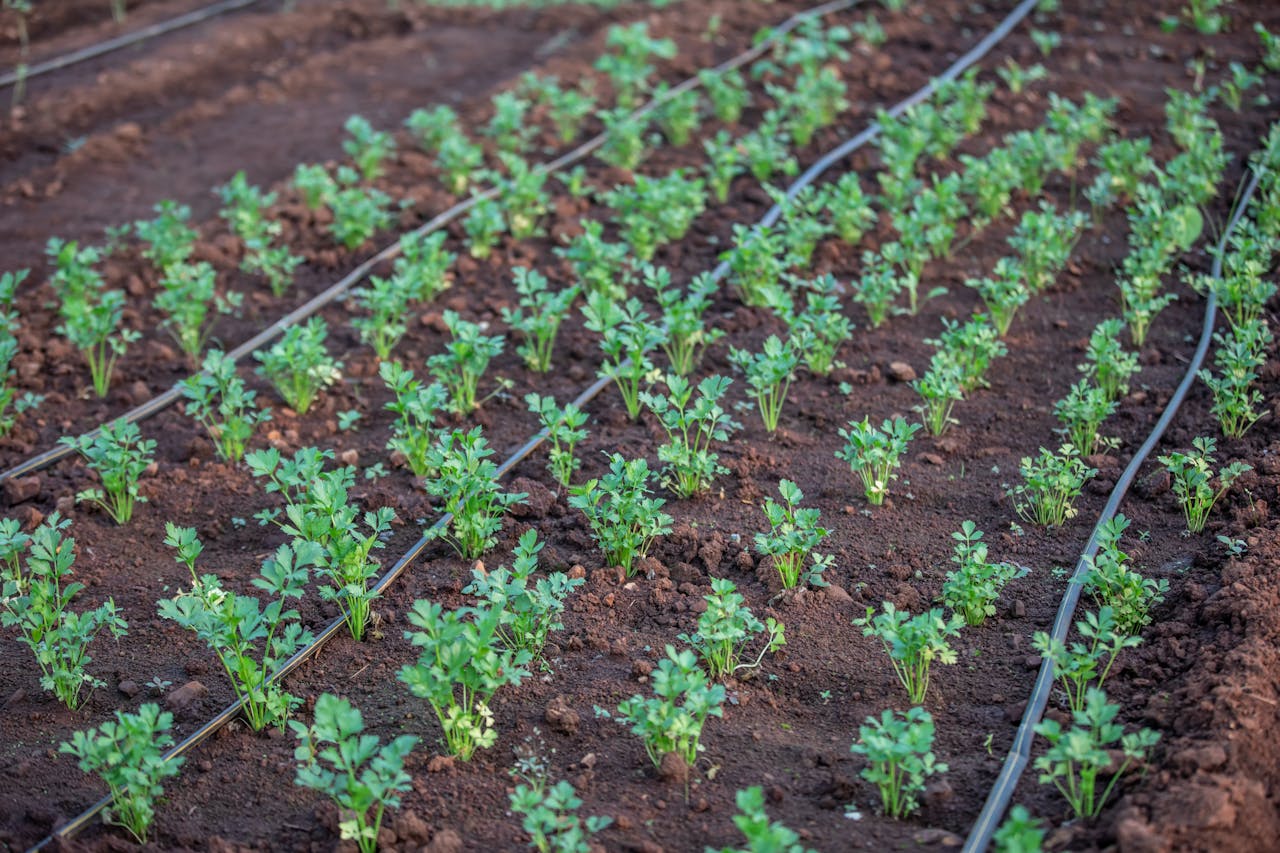
Mulch does more than keep moisture in the soil—it can also carve out clear, visible pathways between garden rows. Spreading mulch like straw, wood chips, or shredded leaves along walking areas instantly separates rows and prevents confusion. This technique creates natural borders that guide movement through the garden without needing rigid structures or tools. It also reduces mud, which makes the whole experience more enjoyable, especially after rain. Clear paths keep feet where they belong, protecting delicate plants from accidental damage. The contrast between dark soil and lighter mulch makes rows stand out at a glance. It turns the garden into a clearly mapped space rather than a random patch of greenery.
Mulch paths also support long-term garden health, which adds extra value beyond organization. They suppress weeds in walking areas, cutting down on maintenance time and effort. As organic mulch breaks down, it feeds the soil and improves its structure over time. Gardeners can refresh these paths easily by adding a new layer each season, keeping everything looking neat and defined. This method works especially well for larger gardens where permanent walkways make daily tasks more manageable. Even small spaces benefit from the visual clarity that mulch provides. A few well-placed paths can transform a crowded plot into a smooth, easy-to-navigate growing area that feels thoughtfully designed.
4. Painted Stones That Bring Style to Structure
Sometimes the simplest ideas create the biggest visual impact, and painted stones fit that description perfectly. Smooth rocks placed at the start of each row give a clear, durable marker that stays put through wind, rain, and busy gardening days. Adding paint turns them into bright, eye-catching guides that stand out against soil and greenery. Gardeners can label each stone with plant names or use colors to represent different crops. This approach creates a clean and organized look without relying on materials that might bend, break, or fade quickly. Stones carry a natural weight that keeps them stable, even in rough conditions. They offer a low-maintenance solution that still feels intentional and polished.
Painted stones also open the door to creativity, which adds a fun twist to routine garden planning. Different patterns, symbols, or colors can make the garden feel more vibrant and personal. Weather-resistant paint helps maintain visibility throughout the growing season, especially when exposed to sunlight and moisture. Gardeners can even seal the stones for extra durability, ensuring they last for years without losing their charm. This method works well for both decorative gardens and practical vegetable plots, blending beauty with function seamlessly. It also provides a satisfying hands-on project before planting begins. Each stone becomes a tiny anchor point that keeps rows clear and easy to follow.
5. Simple Stakes That Stand Tall and Stay Useful
Stakes deliver a classic, no-nonsense way to mark garden rows clearly and effectively. Wooden dowels, bamboo sticks, or even sturdy branches can act as markers when placed at the ends of each row. Tying a bit of ribbon or cloth to the top boosts visibility, especially in dense gardens where plants grow quickly. Stakes provide a vertical element that stands out above soil level, making them easy to spot from a distance. This setup helps keep rows aligned and prevents confusion once plants start filling in the space. It also gives gardeners a reliable reference point for spacing and layout adjustments. With just a few materials, the entire garden gains structure and clarity.
These markers also adapt easily to different needs throughout the growing season. Gardeners can attach labels, tags, or even small signs to the stakes for extra information about each row. The stakes can double as supports for certain plants, adding even more value to the setup. Repositioning them takes little effort, which helps when adjusting layouts or adding new rows mid-season. This flexibility makes stakes one of the most practical options for gardeners who like to experiment and refine their space. They stay dependable without locking the garden into a rigid design. With a few simple touches, stakes turn into multi-purpose tools that keep everything organized and easy to manage.
A Garden That Knows Exactly Where It’s Going
Clear rows change everything. They turn planting into a smooth, confident process instead of a chaotic scramble, and they make every step in the garden feel purposeful. Each of these budget-friendly ideas proves that organization does not require expensive tools or complicated setups. Simple choices create strong results, especially when they support both function and style. A well-marked garden feels easier to maintain, easier to navigate, and far more enjoyable to spend time in. That sense of order builds momentum, encouraging better habits and more consistent care throughout the season. A little effort at the beginning pays off in healthier plants and a more satisfying harvest.
Which of these ideas feels like the perfect fit for the next garden project, or is there a creative twist waiting to be tried? Drop thoughts, tips, or favorite row-marking tricks in the comments and keep the inspiration growing.
You May Also Like…
Why Planting Too Early Can Set Back Your Entire Garden
7 Things Earwigs Do in Gardens and When They Become a Problem
6 Affordable Garden Border Ideas That Improve Curb Appeal
The $5 Tool That’s Breaking and Ruining Raised Beds Across the South

Brandon Marcus is a staff writer for FrugalGardening.com at District Media, Inc., where he delivers practical gardening advice with a relatable, no-nonsense style. An avid amateur gardener, he holds a BA degree and with over ten years of professional writing experience, he is also an award-winning published author whose first book, Questions For Deep Thinkers, was released by Adams Media. His work has appeared in major publications including Fandom.com, CHUD.com, TheColdWire.com, and Fansided.com.
Leave a Reply