A backyard does not need a towering, expensive fence to feel finished, protected, and downright impressive. The idea that only traditional fencing counts as “real” protection feels outdated and, frankly, a little boring. Plenty of creative, budget-friendly options step up and deliver both function and style without draining a wallet or turning a weekend into a construction marathon. The right alternative can define a space, keep pests out, and even boost curb appeal in ways standard fences never attempt.
Smart garden design leans on flexibility, personality, and resourcefulness, not just lumber and nails. A clever barrier can transform a patch of grass into a cozy retreat or turn a struggling garden into a thriving one. Even better, these alternatives often bring added benefits like sustainability, easy installation, and a look that actually feels alive.
1. Living Fences That Grow Into Something Amazing
A living fence delivers beauty and function in one swoop, and it keeps improving over time instead of breaking down. Fast-growing shrubs like privet, boxwood, or bamboo create dense, natural barriers that block views and discourage animals from wandering in. These plants do require some patience, but once they fill out, they form a thick wall that looks far more inviting than wood panels or chain link. Careful spacing and consistent watering help them establish quickly, especially during the first growing season when roots need strong support.
This option shines for anyone who values privacy and aesthetics at the same time. Trimming and shaping turn a basic hedge into a polished border, while flowering varieties add color and fragrance into the mix. Choosing native plants often reduces maintenance and improves success rates because they already suit the local climate. A drip irrigation system can simplify upkeep and keep everything thriving without constant attention. Living fences also improve air quality and provide habitat for birds and beneficial insects, which makes the garden feel like a small ecosystem rather than just a yard.
2. Pallet Power: Rustic Barriers With Zero Fuss
Wood pallets bring serious potential for a nearly free fence that looks intentionally rustic instead of thrown together. Many warehouses and stores give away pallets, which makes this option incredibly budget-friendly from the start. Standing them upright and securing them with stakes creates a sturdy barrier that works well for gardens, pets, or simply marking boundaries. Sanding rough edges and applying a weather-resistant finish instantly upgrades the look without much effort.
Customization turns pallet fencing into a standout feature rather than a temporary fix. Paint adds personality, while climbing plants like beans or ivy soften the structure and blend it into the garden. Cutting pallets into sections allows more flexibility with height and spacing, especially in uneven terrain. Proper anchoring keeps everything stable during strong winds or heavy rain, which ensures this solution lasts longer than expected. Pallets also support vertical gardening, so herbs or flowers can grow directly on the fence, turning a barrier into productive space.
3. Chicken Wire, But Make It Stylish
Chicken wire may not sound glamorous, but it delivers impressive results when used creatively. Pairing it with wooden stakes or a simple frame creates a lightweight fence that keeps out small animals without blocking visibility. This setup works especially well for vegetable gardens where protection matters more than privacy. The material itself costs very little, and installation usually takes just a few hours with basic tools.
Adding style elevates chicken wire from purely functional to genuinely appealing. A wooden frame painted in a bold or natural tone gives structure and polish, while decorative posts bring personality into the design. Twining plants like cucumbers or peas climb the wire easily, turning it into a living wall over time. This option adapts well to different garden sizes and layouts, making it a flexible choice for almost any yard. With minimal upkeep, chicken wire fencing can last for years and continue doing its job without constant repairs.
4. Bamboo Screens That Feel Like a Getaway
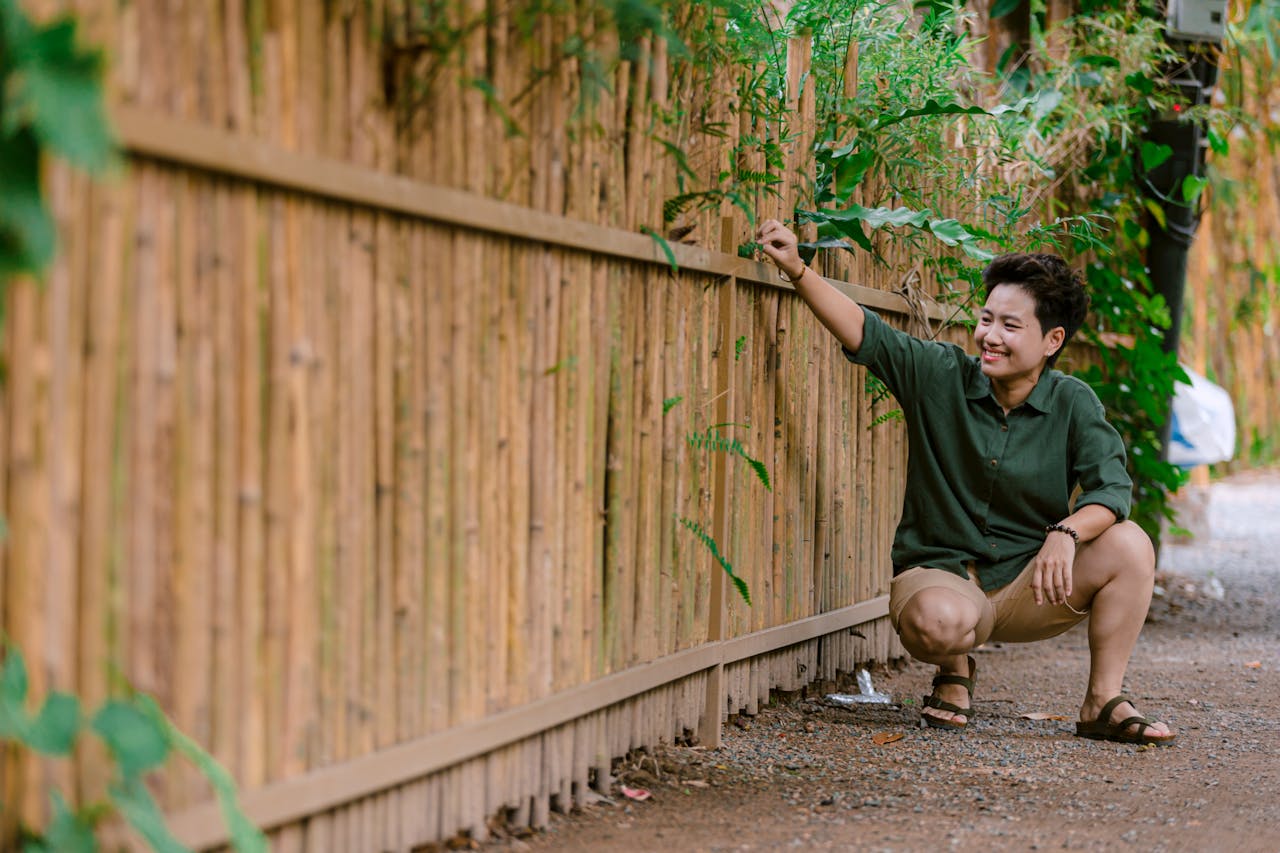
Bamboo fencing instantly creates a relaxed, almost resort-like atmosphere while keeping costs low. Pre-made bamboo rolls attach easily to existing posts or simple frames, which makes installation quick and straightforward. The material resists moisture well when treated properly, and it holds up in various climates with minimal care. This option works especially well for creating privacy zones, such as around patios or small garden nooks.
The visual impact of bamboo stands out immediately, offering a natural texture that blends seamlessly with plants and greenery. Pairing it with stones, lanterns, or tropical plants enhances the effect and turns a basic yard into a more intentional space. Bamboo also grows quickly if planted directly, which opens the door for a living version of this fence over time. Regular sealing helps maintain its color and strength, especially in areas with heavy rain or intense sun. The result feels cohesive, calming, and far more interesting than standard fencing options.
5. Rope and Posts for a Light, Airy Border
Rope fencing delivers a surprisingly effective way to define a garden without closing it off completely. Wooden or metal posts spaced evenly with thick rope strung between them create a boundary that feels open yet intentional. This approach works well in larger yards where full fencing might feel overwhelming or unnecessary. It also suits spaces that focus on design and flow rather than strict enclosure.
The simplicity of rope fencing allows for endless customization. Different rope materials, from natural fibers to synthetic options, offer varying looks and levels of durability. Adding decorative knots or layering multiple lines of rope increases both strength and visual appeal. This style pairs beautifully with coastal or rustic themes, bringing a relaxed charm into the space. While it may not stop determined animals, it clearly marks boundaries and keeps most foot traffic where it belongs. Maintenance stays minimal, especially when weather-resistant materials come into play.
6. Repurposed Doors and Windows With Personality
Old doors and windows bring unmatched character into a garden fence, turning a functional barrier into a conversation piece. Salvage yards and thrift stores often sell these items at low prices, making them accessible for creative projects. Arranging them in a row and securing them with posts creates a patchwork fence that feels unique and full of history. Each piece adds its own texture, color, and detail, which builds a layered and interesting design.
This approach encourages creativity while staying practical. Painting everything in a cohesive color scheme pulls the look together, while leaving some pieces distressed adds charm and authenticity. Glass panes in old windows allow light to pass through, which keeps the garden bright and inviting. Strong anchoring ensures stability, especially since these pieces can vary in size and weight. The final result feels artistic, sustainable, and completely different from anything found in a standard hardware store.
7. Stone Borders That Keep It Grounded
Stone borders may not rise high like traditional fences, but they define space beautifully and provide solid protection for garden beds. Stacking stones or bricks creates a low wall that keeps soil in place and discourages small animals from entering. This method works particularly well for raised beds or flower gardens where height matters less than structure. Stones also handle weather extremely well, making them a long-lasting option.
Arranging stones in patterns adds visual interest and elevates the overall design. Mixing sizes and shapes creates a more natural look, while uniform bricks deliver a cleaner, structured appearance. Adding gravel or mulch along the inside edge strengthens the barrier and improves drainage at the same time. This option requires some initial effort, but it pays off with durability and minimal maintenance over the years. Stone borders also pair easily with other fencing ideas, creating layered protection without overwhelming the space.
Smart Fencing Is The Way To Go
Expensive fencing does not hold a monopoly on quality, style, or effectiveness. These alternatives prove that creativity and smart planning can deliver results that look better, cost less, and often bring extra benefits into the mix. Each option offers something different, whether that means growing a lush green barrier, repurposing materials, or embracing a more open design. Mixing and matching ideas can even create a custom solution that fits a yard perfectly without relying on a single approach.
Which of these ideas feels like the perfect fit, and what creative twist could take it even further? Let’s hear any and all thoughts and clever garden solutions in the comments.
You May Also Like…
5 Proven Ways to Keep Rabbits Out of Your Garden Without Building Fences
Why Your Garden Fence Could Be a Death Trap for Local Wildlife
7 Tiny Fence Fixes That Keep Snow From Destroying Panels
Here’s How To Build A Garden Fence For Your Herbs and Vegetables
How to Redesign Your Bulb Garden After This Year’s Mistakes

Brandon Marcus is a staff writer for FrugalGardening.com at District Media, Inc., where he delivers practical gardening advice with a relatable, no-nonsense style. An avid amateur gardener, he holds a BA degree and with over ten years of professional writing experience, he is also an award-winning published author whose first book, Questions For Deep Thinkers, was released by Adams Media. His work has appeared in major publications including Fandom.com, CHUD.com, TheColdWire.com, and Fansided.com.
Leave a Reply