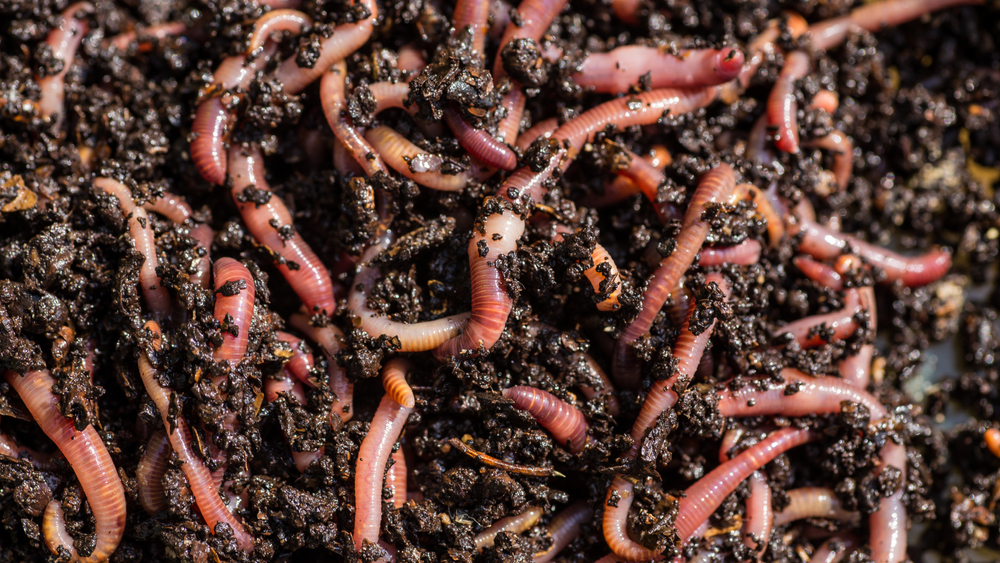
Soil might look like dirt, but it’s actually a bustling underground city, and earthworms are the VIPs everyone wants at the party. These wriggly, glossy engineers don’t just wiggle around for fun—they aerate the soil, help roots breathe, and transform scraps into plant food that’s pure magic. A garden without them is like a concert without music: technically functional, but missing all the soul. Inviting earthworms into your backyard isn’t just good for plants—it’s a secret strategy for creating a thriving, vibrant ecosystem that works almost entirely on autopilot.
Getting earthworms on your side starts with understanding their lifestyle. They crave moisture, soft soil, and plenty of organic matter to munch on. Pesticides, chemical fertilizers, and over-tilling turn soil into a desert where worms can’t survive. But with a few simple adjustments, the humble worm can become your garden’s most devoted ally.
Earthworm-Friendly Soil: Set the Stage Right
Earthworms aren’t picky, but they have standards. Loose, well-drained soil invites them in, while compacted, dry dirt sends them packing. Mixing in compost or well-rotted organic matter softens soil texture and provides a steady buffet for worms. This is crucial because earthworms consume their body weight in soil every day, processing nutrients and improving soil structure as they burrow. Mulching with leaves or straw creates a cozy layer that keeps soil moist and adds extra goodies for them to nibble. It’s a bit like hosting a worm spa weekend—they’ll stick around if you provide comfort, hydration, and food.
pH levels matter, too. Worms prefer slightly acidic to neutral soil, typically between 6 and 7 on the pH scale. Lime can balance overly acidic soil, while avoiding heavy chemicals keeps the environment hospitable. Plant roots benefit from worms aerating the soil, and the tunnels worms leave behind act as natural irrigation channels. Every inch of tilled, enriched soil becomes a superhighway for roots and nutrients alike. By nurturing these wriggle buddies, the garden gains natural fertility, less compaction, and happier plants overall.
Feed the Worms Like a Gourmet Chef
Forget the cliché of worms only eating old banana peels. While they love vegetable scraps, worms thrive on a diverse diet. Coffee grounds, crushed eggshells, shredded newspaper, and decaying garden debris provide essential nutrients while keeping your soil rich. Avoid citrus, onions, and anything oily or salty—worms are sensitive and can turn away from anything too harsh. Layering organic matter in your soil gives worms steady access to food without overwhelming them, creating a healthy, ongoing nutrient cycle.
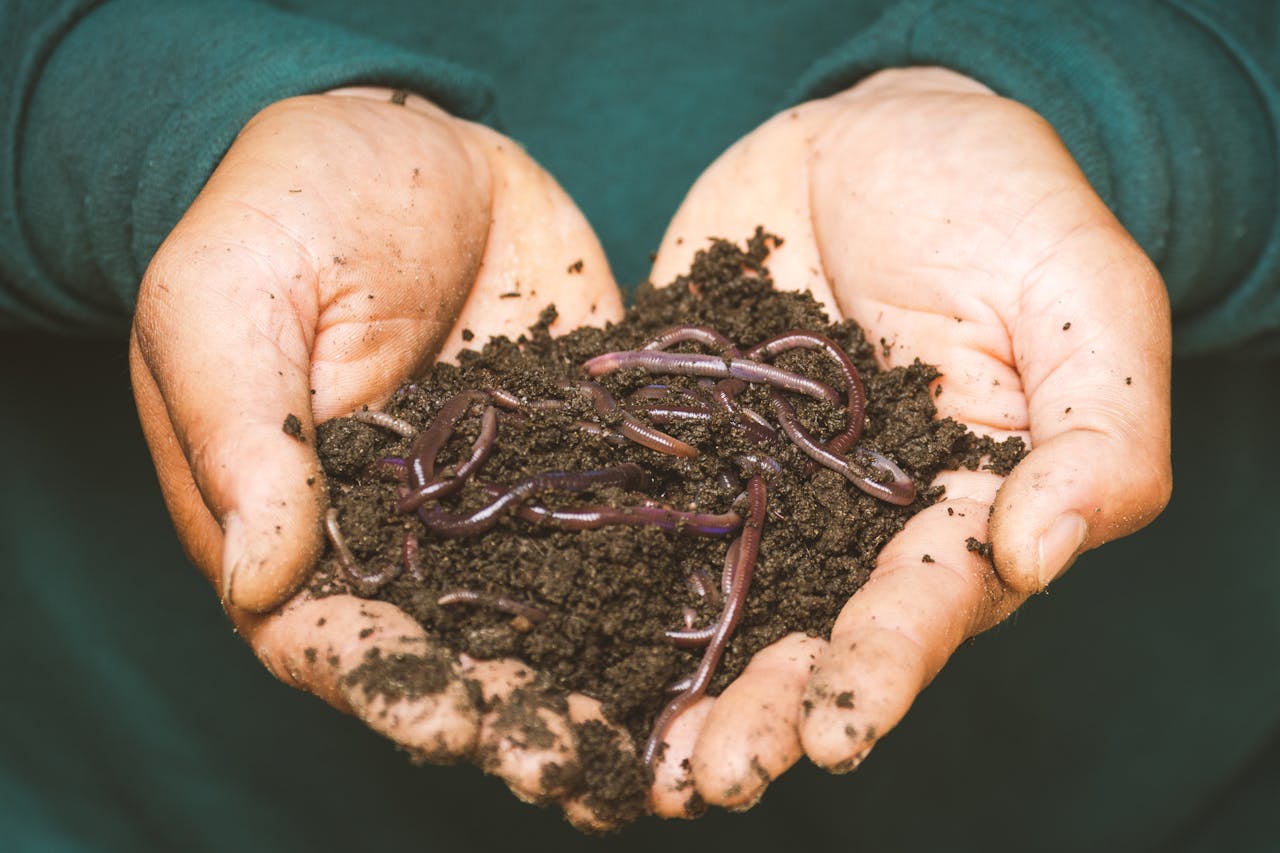
Composting offers double benefits. Worm bins turn kitchen scraps into worm castings, a powerhouse fertilizer that’s several times richer than standard compost. Vermicomposting, the method of composting with worms, lets you harvest these castings for garden beds, potted plants, or lawns. It’s an engaging, almost addictive process: every handful of worm-rich soil feels like holding concentrated garden magic. And the worms keep on multiplying, ensuring the soil ecosystem remains self-sustaining. You’re not just feeding worms—you’re cultivating an entire soil orchestra ready to perform.
Keep the Soil Cozy and Moist
Worms hate extremes. Too dry, and they dehydrate; too wet, and they drown or retreat from the surface. Maintaining a consistent moisture level creates the perfect environment for activity. Watering in the early morning or late evening avoids the harsh midday sun that can bake the soil and chase worms deep underground. Mulches act like a moisture blanket, holding hydration longer and providing a safe haven for worms to roam freely without the risk of drying out.
Temperature matters as well. Most earthworms thrive between 55°F and 77°F, although compost worms, like red wigglers, tolerate slightly warmer conditions. Gardeners can encourage worm activity by keeping soil covered, planting ground-cover crops, and adding organic layers that stabilize temperature. Even simple practices like limiting tilling preserve tunnels worms already made and prevent them from getting stressed. Worm-friendly soil isn’t just about food—it’s about creating a consistent, stable environment where they can flourish naturally.
Plant Selection That Invites Worms
Certain plants indirectly attract earthworms by providing both food and habitat. Legumes, leafy greens, and cover crops contribute organic matter through root exudates and fallen leaves, giving worms a steady supply of nutrition. Deep-rooted plants like carrots and radishes break up soil naturally, making it easier for worms to burrow and aerate. Companion planting strategies create a living buffet of root matter and mulch material while reducing chemical dependency that could harm worm populations.
Flower beds aren’t off-limits either. Marigolds, sunflowers, and comfrey add organic matter and encourage microbial activity that worms love. Rotating crops and leaving some garden residue instead of cleaning everything up creates natural worm habitats and ensures year-round food availability. By thinking about plant selection strategically, gardens become more than just visually appealing—they transform into thriving ecosystems with worms at the center.
Avoid Chemicals Like a Worm’s Kryptonite
Pesticides, herbicides, and chemical fertilizers may solve immediate plant problems, but they wreak havoc underground. Worms exposed to chemicals either die off or vacate the area entirely, leaving soil compaction and nutrient depletion in their wake. Organic alternatives like neem oil, diatomaceous earth, or compost tea protect plants while keeping worm populations healthy. Rotating crops and using companion planting also naturally reduces pests without needing synthetic chemicals.
Even fertilizers labeled as “safe” can harm worms if overused. A balanced approach combines natural soil amendments, compost, and careful observation of soil health. This chemical-free strategy ensures worms remain active, soil remains rich, and plants get nutrients the way nature intended. Happy worms equal happy soil, and happy soil equals a garden that practically grows itself.
Watch the Magic Happen
Encouraging earthworms isn’t a one-time effort; it’s a relationship. Once worms establish themselves, they aerate, decompose, and enrich the soil continuously, transforming your garden into a self-sustaining ecosystem. Healthy soil produces healthier plants with stronger roots, more vibrant blooms, and higher resistance to pests and disease. Observing worm activity can even become an oddly satisfying hobby—checking on tunnels, castings, and soil fluffiness offers visible proof that your ecosystem is thriving.
Patience pays off. Gardens with established worm populations can experience fewer watering needs, richer harvests, and soils that resist erosion. Every wriggle contributes to a bigger picture of natural fertility and sustainability. By nurturing these underground allies, gardens evolve from simple plots into dynamic, living systems. It’s a reminder that even small creatures like earthworms wield enormous influence over the environment above ground.
Become a Soil Hero: Worms Await
Turning soil into an earthworm haven might seem simple, but the impact is profound. By feeding worms well, keeping soil moist and hospitable, planting strategically, and avoiding chemicals, gardens transform into fertile wonderlands. Earthworms don’t just improve soil—they make plants more resilient, gardens more sustainable, and outdoor spaces richer in life. Every decision, from composting kitchen scraps to mulching flower beds, reinforces a cycle that benefits soil, plants, and the ecosystem at large.
What strategies have worked in your garden to attract or support earthworms? Have any techniques surprised you with their effectiveness? Share your stories, ideas, or insights in the comments.
You May Also Like…
How Earthworms Work Harder in Fall Soils
Low-Cost Cover Crops That Improve Soil Without Extra Work
The Safe Way to Use Coffee Grounds Without Damaging Plants
7 Simple Soil Tests You Can Do at Home Without Special Tools
How to Build a Simple Worm Farm Using Everyday Household Materials

Brandon Marcus is a staff writer for FrugalGardening.com at District Media, Inc., where he delivers practical gardening advice with a relatable, no-nonsense style. An avid amateur gardener, he holds a BA degree and with over ten years of professional writing experience, he is also an award-winning published author whose first book, Questions For Deep Thinkers, was released by Adams Media. His work has appeared in major publications including Fandom.com, CHUD.com, TheColdWire.com, and Fansided.com.
Leave a Reply