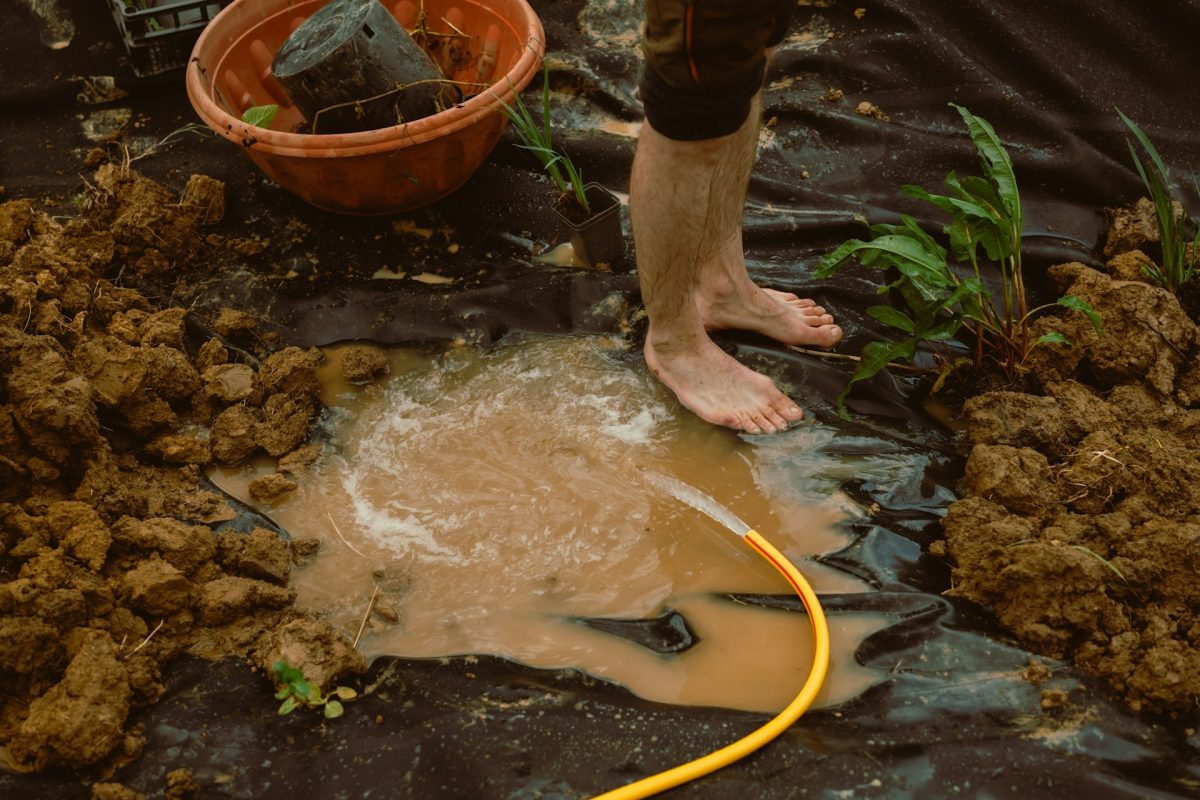
Water doesn’t lie. When it sits, pools, and refuses to budge, it sends a clear message: something underneath the surface isn’t right. A garden filled with soggy patches, struggling plants, and muddy footprints doesn’t just look messy—it signals deeper issues that no amount of watering schedules or plant swaps will fix.
Great gardens don’t happen by accident. They rely on balance, structure, and a solid understanding of how water moves through soil. When drainage fails, frustration builds quickly, especially after investing time, money, and effort into creating a space that should feel alive and thriving. Fixing drainage doesn’t require magic, but it does demand attention to the real causes hiding below the surface.
Your Soil Isn’t Just Dirt—It’s the Whole Story
Soil controls everything when it comes to drainage, yet many people treat it like a background detail instead of the main character. Heavy clay soil holds onto water like a sponge that refuses to let go, while sandy soil lets water rush through too quickly without nourishing roots. When soil contains too much clay, water struggles to move downward, leading to puddles that linger long after rain stops. That constant saturation suffocates plant roots, cutting off oxygen and creating the perfect environment for root rot.
Improving soil structure transforms drainage in a powerful way. Mixing in organic matter like compost breaks up dense clay and creates channels that allow water to flow more freely. This process doesn’t just fix drainage—it boosts nutrients and encourages healthier plant growth at the same time. Regularly amending soil builds long-term resilience, making it easier for water to move efficiently during both heavy rain and dry spells.
Ignoring soil composition keeps the problem stuck in place. Testing soil texture with a simple squeeze test reveals a lot about how water behaves underground. If soil forms a tight, sticky ball, it needs serious loosening. Investing time in soil improvement pays off more than any quick fix because it tackles the root cause rather than masking the symptoms.
Slope Matters More Than You Think
Flat ground might look neat and tidy, but it often causes major drainage headaches. Water needs direction, and without even a slight slope, it has nowhere to go. Instead of flowing away from garden beds, it settles in place and slowly creates waterlogged zones that damage roots and attract pests. Even a subtle grading issue can lead to stubborn puddles that return after every rainfall.
Shaping the land doesn’t require heavy machinery or a full landscaping overhaul. Small adjustments, like gently sloping soil away from planting areas or creating shallow channels, can guide water in the right direction. Strategic grading encourages natural runoff and prevents water from collecting in low spots where plants struggle to survive.
Taking a closer look at how water moves during rain reveals problem areas quickly. Watching where puddles form and how long they stick around offers valuable clues about what needs adjusting. Fixing slope issues may feel like a bigger task upfront, but it delivers lasting results that keep gardens healthy and manageable over time.
Compacted Soil Is Quietly Ruining Everything
Foot traffic, heavy equipment, and even repeated watering can compress soil until it becomes dense and unwelcoming. Compacted soil blocks water from penetrating the surface, forcing it to pool on top instead of soaking in. That creates a frustrating cycle where water sits in the wrong places while deeper roots remain dry and stressed.
Breaking up compacted soil restores balance and allows water to move naturally again. Aerating the soil with a garden fork or mechanical aerator creates small openings that improve both drainage and airflow. These tiny channels make a huge difference, helping water reach deeper layers where plants need it most.
Adding organic material after aeration strengthens the effect and prevents the soil from compacting again too quickly. Keeping pathways clearly defined also reduces unnecessary pressure on garden beds. Simple changes in how space gets used can protect soil structure and keep drainage functioning properly without constant intervention.
Your Drainage System Might Be Working Against You
Installing drains or pipes sounds like a guaranteed solution, but poor design often creates new problems instead of solving old ones. A clogged French drain, improperly placed pipe, or shallow trench can redirect water right back into the garden instead of carrying it away. Water always follows the easiest path, and if that path leads back to your plants, the system fails its purpose.
Checking existing drainage systems regularly helps catch issues before they spiral. Debris, soil buildup, and plant roots can block pipes over time, reducing their effectiveness. Cleaning out drains and ensuring proper flow keeps everything functioning as intended. Positioning outlets away from garden beds also prevents water from circling back and creating repeat issues.
Sometimes, a simple redesign makes all the difference. Extending drainage lines, adjusting depth, or adding gravel layers can improve performance dramatically. A well-designed system works quietly in the background, moving water efficiently without drawing attention to itself.
Overwatering Is Doing More Harm Than Good
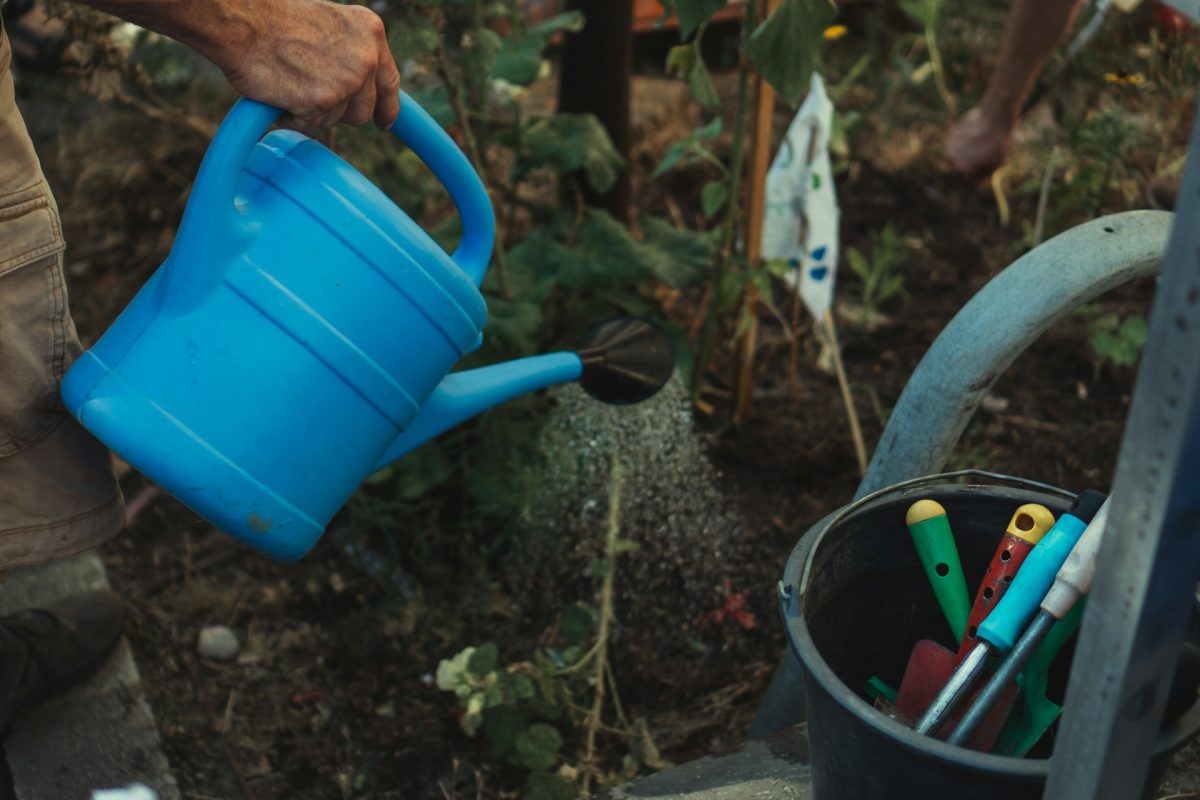
Watering feels like the most helpful thing in the world, yet too much of it creates serious trouble. Plants don’t need constant soaking, and excessive watering overwhelms soil, especially when drainage already struggles. Saturated soil traps roots in a wet environment that limits oxygen and encourages disease.
Adjusting watering habits often fixes more than expected. Deep, less frequent watering encourages roots to grow stronger and search for moisture below the surface. That approach supports better drainage because soil gets time to dry out between watering sessions. Timing also matters—watering early in the day allows excess moisture to evaporate rather than sit overnight.
Using tools like moisture meters removes the guesswork and helps avoid overwatering. Paying attention to weather conditions prevents unnecessary watering after rain. A thoughtful watering routine supports both plant health and proper drainage, creating a balanced environment that works with nature instead of against it.
Mulch and Plant Choices Can Tip the Balance
Mulch adds beauty and protects soil, but using too much or the wrong type can trap moisture where it shouldn’t linger. Thick layers of mulch prevent water from evaporating, which may sound helpful until it leads to consistently damp conditions. Organic mulch works best when applied in moderate amounts, allowing air and water to move freely while still protecting the soil.
Plant selection also plays a major role in drainage success. Some plants thrive in moist conditions, while others demand well-drained soil to survive. Placing water-loving plants in naturally damp areas creates harmony instead of conflict. On the flip side, planting drought-tolerant species in soggy spots leads to constant struggles and disappointing results.
Balancing mulch and plant choices creates a garden that works with its environment instead of fighting against it. Observing how different areas behave after rainfall helps guide smarter planting decisions. When plants match the conditions around them, drainage issues become easier to manage and far less stressful.
Stop Fighting Water and Start Guiding It
Water doesn’t need to disappear instantly—it just needs direction and a clear path to follow. Fighting drainage problems without understanding the cause wastes time and energy, while thoughtful adjustments create lasting improvements. Soil quality, slope, compaction, watering habits, and plant choices all work together, shaping how water behaves in a garden.
Small changes build momentum quickly. Loosening soil, adjusting grading, cleaning drainage systems, and rethinking watering routines all contribute to better results without overwhelming effort. Each improvement stacks on the next, creating a system that supports healthy plants and a more enjoyable outdoor space.
What’s happening in your garden right now? Are puddles sticking around longer than they should, or does water seem to disappear too fast? Drop your thoughts, ideas, or even your biggest drainage struggles in the comments.
You May Also Like…
Experts Say Houseplant Soil Mix Is Causing Gnat Infestations
These 10 Plants Fix Bad Soil — Without Costly Amendments
Cheap Alternatives to Traditional Row Covers
The Best Free Garden Amendments
How to Protect Garden Borders From Pests

Brandon Marcus is a staff writer for FrugalGardening.com at District Media, Inc., where he delivers practical gardening advice with a relatable, no-nonsense style. An avid amateur gardener, he holds a BA degree and with over ten years of professional writing experience, he is also an award-winning published author whose first book, Questions For Deep Thinkers, was released by Adams Media. His work has appeared in major publications including Fandom.com, CHUD.com, TheColdWire.com, and Fansided.com.
Leave a Reply