A thriving garden doesn’t just happen because plants get sunlight and water. Healthy soil carries the real magic, and mulch plays a starring role in that story. It locks in moisture, shields soil from harsh temperatures, and stops weeds from staging a hostile takeover. Unfortunately, bags of mulch at garden centers can drain a wallet faster than a summer heatwave dries out a tomato plant.
Many gardeners assume that paying for mulch is simply part of the deal, but that assumption leaves a mountain of free resources untouched. Communities generate enormous amounts of organic material every single day, and much of it works beautifully in garden beds. A little curiosity and creativity can turn what others treat as waste into a powerful gardening tool that costs absolutely nothing.
1. Autumn’s Gold Mine: Leaves Waiting to Work
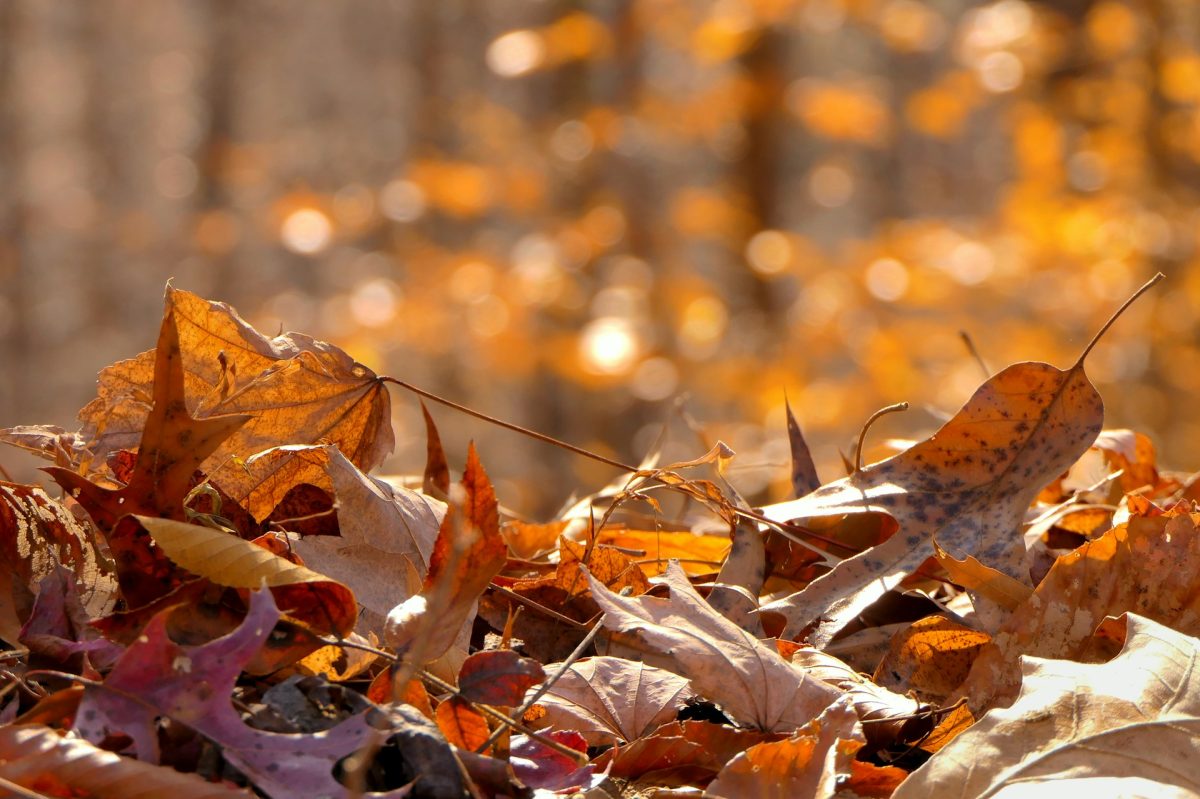
Every fall, neighborhoods transform into a patchwork of gold, amber, and crimson leaves. Those leaves look beautiful for about a week before they become something else entirely: a gigantic pile of free mulch. Trees drop these leaves as part of a natural soil-building system, and gardeners can take advantage of that cycle with almost no effort. Leaves break down gradually, adding organic matter that improves soil structure and helps beneficial microbes thrive. They also create a protective blanket that shields plant roots from temperature swings and reduces moisture loss.
Collecting leaves can be surprisingly easy when a gardener starts paying attention to local habits. Many towns gather leaves at curbside, and some municipalities even create free leaf piles specifically for public pickup. Shredding the leaves before spreading them helps prevent matting and allows them to decompose faster. A lawn mower can handle that job in seconds, turning bulky piles into perfect mulch. With a few bags of leaves and a little time, a garden bed can gain a nutrient-rich covering that rivals any product sold in a store.
2. Tree Trimmers and Arborists: Mulch Factories on Wheels
Professional tree crews generate enormous quantities of wood chips every single day. Branches, limbs, and trunks move through industrial chippers and come out the other side as beautiful, chunky mulch. For the companies doing the work, those chips are simply debris that needs a place to go. For a gardener, those same chips represent an incredible opportunity. Fresh wood chips create long-lasting mulch that protects soil, suppresses weeds, and slowly improves soil structure over time.
Many arborists happily drop a load of chips in a driveway rather than haul them to a disposal site. The arrangement saves them time and fuel while giving a gardener a free mountain of mulch. Some communities even use online platforms that connect tree crews with homeowners who want free wood chips. The material often arrives fresh from the chipper, which means it still carries moisture and nutrients. Spread a thick layer around trees, shrubs, and pathways, and that free delivery suddenly becomes one of the best gardening upgrades imaginable.
3. Coffee Shops: The Unexpected Garden Ally
Coffee shops brew an astonishing amount of coffee every day, and every cup produces a small pile of used grounds. Those grounds accumulate quickly, and many cafés gladly give them away rather than throw them in the trash. Coffee grounds contain nitrogen and organic matter that enrich soil while also helping mulch retain moisture. Sprinkled lightly around plants or mixed into other mulch materials, they create a nutrient boost that many garden beds appreciate.
Coffee grounds also break down quickly, which makes them perfect for vegetable gardens that benefit from frequent soil enrichment. A weekly stop at a café can produce a steady supply of free organic material. Many coffee shops even package used grounds in bags specifically for gardeners. Adding those grounds to leaves, wood chips, or straw creates a balanced mulch blend that improves soil fertility over time. It’s a simple habit that turns morning coffee culture into a garden advantage.
4. Grass Clippings: A Backyard Resource Too Valuable to Waste
Lawns produce a steady stream of clippings during the growing season, yet many homeowners bag them and send them straight to the curb. That practice throws away one of the easiest mulch sources available. Grass clippings contain nitrogen that feeds soil organisms and helps plants grow vigorously. Spread in thin layers around vegetable beds or flower borders, clippings act as a quick-decomposing mulch that enriches the soil beneath.
The key to using grass clippings successfully lies in moderation. Thick piles can become soggy and compacted, which limits airflow and slows decomposition. Thin layers, on the other hand, dry quickly and create a light protective covering that weeds struggle to penetrate. Over time, the clippings break down into valuable organic matter that improves soil structure. A lawn mower can quietly produce a steady mulch supply all season long, and that supply costs absolutely nothing.
5. Local Farms: Straw and Hay That Work Wonders
Farmers often end up with leftover straw or hay that they cannot sell or use for livestock. Weather damage, overproduction, or storage issues sometimes make these bales unsuitable for their original purpose. For a gardener, however, that material still works beautifully as mulch. Straw protects soil, reduces evaporation, and keeps vegetables clean when fruits rest on the ground. It also breaks down slowly, which provides long-lasting coverage in garden beds.
Connecting with local farms can uncover a surprisingly generous resource. Farmers frequently welcome someone willing to haul away excess straw because it clears valuable storage space. Straw works particularly well in vegetable gardens where moisture retention and weed suppression are critical. Spread it between rows of tomatoes, peppers, or squash, and it quickly becomes a golden carpet that supports healthy growth. That simple farm connection can transform garden productivity while keeping mulch costs at zero.

6. Cardboard and Paper: Recycling With a Purpose
Cardboard boxes pile up in homes, grocery stores, and offices every single day. Instead of heading straight for the recycling bin, those boxes can become powerful weed-blocking mulch. Flattened cardboard sheets placed over soil create a barrier that smothers weeds while allowing water to pass through. Over time, the cardboard softens and decomposes, adding organic matter to the soil beneath.
Newspapers can work in a similar way when layered several pages thick. Gardeners often place cardboard or paper under another mulch layer such as wood chips or straw. This combination provides long-lasting weed control while still allowing soil to breathe. Stores and workplaces frequently give away cardboard boxes for free, making this one of the easiest mulch sources to find. With a little creativity, everyday packaging becomes a powerful gardening tool instead of landfill waste.
Turning Everyday Waste Into Garden Gold
Mulch doesn’t need to come from a garden center pallet wrapped in plastic. Leaves, wood chips, coffee grounds, grass clippings, straw, and cardboard all perform the same essential job while improving soil naturally. These materials protect plant roots, encourage healthy microbes, and reduce the need for constant watering. A gardener who looks beyond store shelves often discovers that free mulch exists almost everywhere.
Communities produce mountains of organic material that simply need someone willing to put them to good use. With a bit of observation and initiative, those overlooked resources can transform an ordinary garden into a thriving landscape.
What overlooked mulch source has worked best in your garden, and what creative ideas would you add to this list? Share your thoughts and tips in the comments so others can discover new ways to grow healthy gardens without spending a fortune.
You May Also Like…
A Backyard Material That Can Work as Well as Mulch
Dog Owners Shocked After Learning Their Mulch May Be Toxic
Why Many Gardeners Wait Until Mid-March to Buy Mulch
The Mulch That’s Causing Seizures in Cats — And It’s Still Being Sold in Stores
9 Types of Mulch That Best Protect Roots from Winter Freeze

Brandon Marcus is a staff writer for FrugalGardening.com at District Media, Inc., where he delivers practical gardening advice with a relatable, no-nonsense style. An avid amateur gardener, he holds a BA degree and with over ten years of professional writing experience, he is also an award-winning published author whose first book, Questions For Deep Thinkers, was released by Adams Media. His work has appeared in major publications including Fandom.com, CHUD.com, TheColdWire.com, and Fansided.com.
Leave a Reply