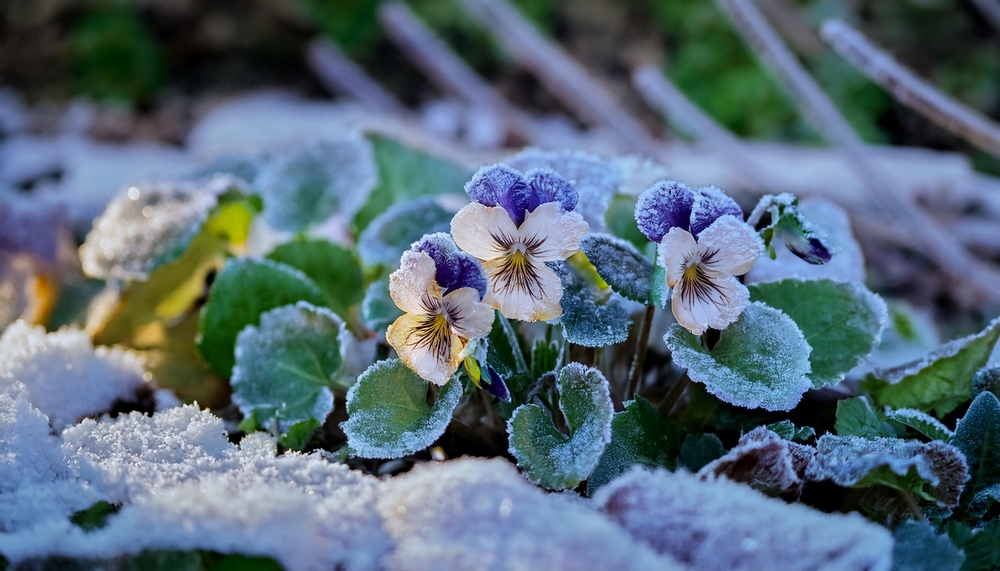
When summer flowers start fading and temperatures drop, many gardeners assume their colorful displays are finished until spring. However, pansies thrive in cooler conditions, making them one of the best options for keeping flower beds, porch containers, and window boxes looking cheerful through fall and even winter. The trick is knowing when to plant them and how to help their roots become established before freezing weather arrives.
Unlike heat-loving annuals, pansies actually prefer chilly growing conditions, but that doesn’t mean they’re immune to cold-weather damage. According to the University of Georgia, pansies establish best when soil temperatures range from approximately 45 to 65 degrees Fahrenheit. Following a few practical pansy planting tips can help you enjoy longer-lasting flowers while avoiding unnecessary replacement costs.
Plant When the Soil Is Cool, Not Frozen
Timing is one of the most important factors in successfully growing pansies through chilly weather. Although these flowers tolerate cold temperatures, their roots need time to establish before the soil becomes excessively cold or frozen. Soil temperatures below 45 degrees can slow root growth, leaving newly planted pansies stunted and less capable of absorbing nutrients. Gardeners in warmer southern regions can often plant during October or November, while those in colder northern climates may need to plant earlier or treat pansies as shorter-season flowers. Checking local soil temperatures and expected frost dates before purchasing plants can prevent the disappointment of watching newly installed flowers struggle.
Choose Healthy Plants With Strong Root Systems
Those inexpensive six-packs of pansies might look like the best bargain, but smaller plants aren’t always the most economical choice when winter is approaching. Larger, well-established transplants generally have more developed root systems and may adapt more quickly to cool outdoor conditions. Plants grown in four-inch containers can establish faster and produce flowers sooner than smaller transplants. Look for compact plants with healthy green foliage, numerous buds, and no signs of yellowing, wilting, or disease. Spending slightly more on vigorous plants may be worthwhile if it reduces the likelihood of replacing weak specimens after the first major cold spell.
Give Your Pansies Plenty of Winter Sunshine
One of the most overlooked pansy planting tips involves choosing a location that receives enough sunlight during the shorter days of fall and winter. Pansies generally perform best in full sun, particularly when temperatures are cool and intense summer heat is no longer a concern. The University of Georgia recommends locations receiving approximately six to eight hours of direct sunlight daily. Morning sunshine is particularly useful because it helps dry dew from the foliage, potentially reducing problems with fungal diseases. Before planting beneath trees or beside buildings, remember that winter sunlight reaches different parts of your garden than it does during summer.
Improve Drainage Before Adding New Plants
Pansies tolerate chilly air much better than they tolerate constantly soggy roots. Heavy clay soil, poorly draining containers, and low spots where rainwater collects can create conditions that encourage root diseases and weaken plants before winter. The best recommendations include well-drained planting beds and incorporating organic matter when soil conditions need improvement. Work finished compost into suitable garden soil before planting, and make sure containers have open drainage holes rather than allowing water to accumulate around the roots. If your garden routinely stays wet after rainstorms, raised beds or containers filled with quality potting mix may provide better growing conditions.
Space Plants Properly Instead of Crowding Them
It’s tempting to pack pansies tightly together because a full container or flower bed looks attractive immediately after planting. However, overcrowding reduces airflow and can encourage diseases, particularly during damp fall and winter weather. You should try spacing pansies approximately six to ten inches apart, with eight to ten inches often providing a practical balance between appearance and healthy growth. Giving plants adequate room also allows their foliage to expand naturally as temperatures become favorable. Buying fewer plants and spacing them correctly can save money while producing a healthier display than overcrowding an entire bed.
Water Carefully and Protect Roots From Extreme Cold
Cooler temperatures generally reduce evaporation, but newly planted pansies still need consistent moisture to establish healthy roots. Always water in the morning and keep soil moist without allowing it to become waterlogged. Applying two to three inches of suitable mulch around garden beds can help moderate soil temperatures, conserve moisture, and discourage weeds. During unusually severe cold spells, frost protection fabric may help reduce damage, particularly when strong winds and frozen soil threaten newly established plants. Avoid piling mulch directly over the plant crowns, and remove temporary coverings when temperatures improve so the flowers receive adequate sunlight and airflow.
Remove Spent Flowers and Feed Only When Needed
Pansies can bloom for an extended period in favorable conditions, but regular maintenance helps keep plants looking attractive. Removing faded flowers and developing seedpods encourages plants to direct more energy toward producing additional blooms instead of seeds. Fertilizer selection matters because some nitrogen sources become less available to plants when soil temperatures are low. If your pansies show signs of nutrient deficiency, consider a fertilizer formulated for cool-season flowers and follow the label rather than automatically applying large amounts of general-purpose plant food. Regularly inspecting your flowers for pests, disease, and moisture problems can prevent minor issues from turning into expensive plant replacements.
A Little Fall Preparation Can Deliver Months of Color
Following these pansy planting tips can turn a relatively inexpensive purchase into a colorful display that lasts well beyond the end of summer. Healthy transplants, appropriate planting dates, adequate sunlight, and well-drained soil give these cold-tolerant flowers their best opportunity to thrive. Planting at the right time is especially important because pansies need favorable soil temperatures to establish before colder weather arrives. In milder climates, properly maintained pansies may continue flowering through winter and into spring, while gardeners in colder regions may need additional protection or more realistic seasonal expectations.
Do you plant pansies every fall, and have you found any tricks that help them survive freezing temperatures and keep blooming longer? Share your experiences and favorite money-saving gardening tips in the comments.
What to Read Next
Why Cannas Need Special Care Before Winter Storage
Leave a Reply