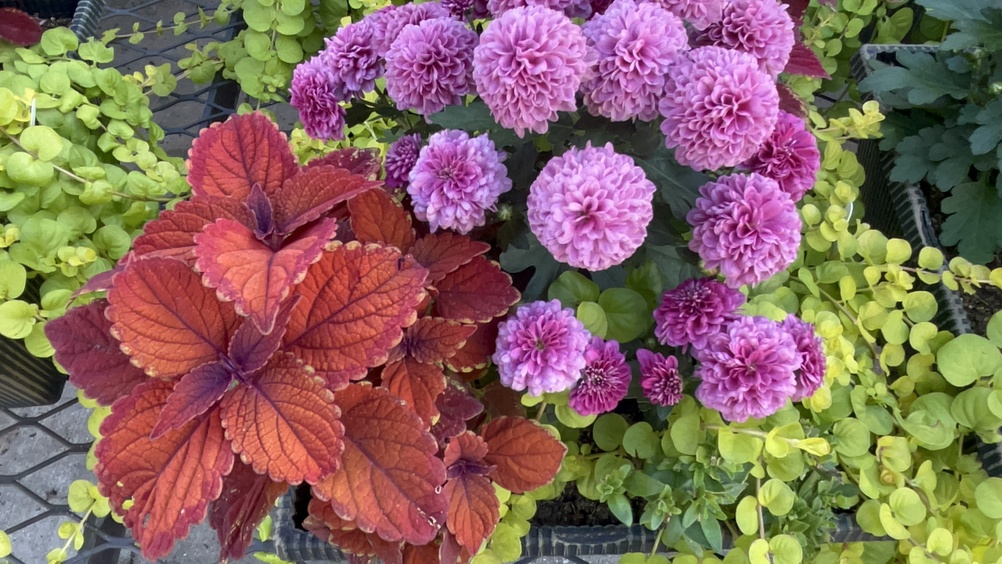
Your summer container gardens probably looked beautiful a few months ago, but by October, those once-colorful petunias, begonias, and other warm-weather flowers may be looking tired. Fortunately, you don’t have to pack away your planters or spend a fortune replacing everything. With a few strategic changes, those same pots can provide beautiful color throughout fall and, depending on your climate, well into winter.
Learning how to refresh container gardens is one of the easiest ways to stretch your gardening budget while keeping your porch, patio, or entryway attractive after summer ends. According to Clemson Cooperative, several cool-season flowers and foliage plants can provide color from autumn into spring in suitable climates. Here are seven practical ways to transform your tired summer containers into attractive cool-weather displays without starting from scratch.
Remove Spent Summer Annuals Without Replacing Everything
Before heading to the garden center, take a close look at what’s already growing in your containers. Some summer annuals may be completely finished, while ornamental grasses, trailing ivy, or perennial foliage plants might still look attractive. The University of Illinois recommends refreshing seasonal containers by replacing individual plants rather than automatically rebuilding every arrangement. Remove dead or declining annuals, inspect the remaining plants for pests or disease, and keep anything healthy that fits your fall design. This selective approach can save money while preserving the established plants that give your containers height, texture, and visual interest.
Choose Pansies and Violas for Longer-Lasting Blooms
Pansies and violas are excellent choices when you want colorful flowers that tolerate cooler temperatures better than typical summer annuals. These plants come in shades of purple, yellow, orange, white, blue, and burgundy, making them easy to coordinate with autumn decorations. According to Iowa State University, pansies and violas tolerate light freezes and perform particularly well during cool spring and fall weather. In milder climates, they may continue blooming through much of winter, although severe freezes can temporarily interrupt flowering or damage exposed plants. For a budget-friendly display, purchase small starter plants and give them enough room to fill out rather than paying extra for oversized containers already covered in flowers.
Add Ornamental Kale and Cabbage for Cold-Weather Color
If you’re tired of replacing flowers every time temperatures drop, ornamental kale and cabbage deserve a place in your fall containers. Their colorful leaves create rosettes in shades of pink, purple, cream, and green, providing visual interest even when other plants stop blooming. Ornamental kale and cabbage can be good options for cool-season displays because their foliage becomes especially attractive during colder weather. These plants work particularly well as centerpieces surrounded by smaller pansies, violas, or trailing greenery. Choose compact varieties suited to your container size, and remember that ornamental selections are grown primarily for appearance rather than as substitutes for culinary vegetables.
Reuse Your Containers and Refresh the Potting Mix
One of the biggest money-saving opportunities when learning how to refresh container gardens involves reusing materials you already own. There’s usually no reason to purchase new decorative pots every season if your existing containers are structurally sound and have adequate drainage holes. The NC State Gardener Handbook explains that container plants need appropriate growing media, drainage, and sufficient space for healthy root development. Remove old roots and debris, discard soil from containers affected by serious disease, and refresh usable potting mix with additional fresh material when needed. Avoid filling pots with ordinary garden soil because it can compact, drain poorly, and create unfavorable conditions for container-grown plants.
Combine Different Heights and Textures for a Fuller Display
A beautiful fall planter doesn’t require a dozen different plants or an expensive professional design. The University of Georgia recommends the familiar thriller, filler, and spiller approach to arranging container gardens. Start with a taller focal plant, such as an ornamental grass, upright kale, or compact evergreen, then surround it with shorter flowering plants. Add trailing ivy, creeping foliage, or another cold-tolerant spiller around the edges to soften the container and create a fuller appearance. A simple combination of one focal plant, two or three colorful fillers, and a trailing accent can look intentional without requiring a large gardening budget.
Adjust Watering as Temperatures Begin Dropping
Cooler weather generally slows water loss, but that doesn’t mean your container plants can survive without attention. Pots exposed to wind, sunshine, or sheltered porches may still dry out between rainstorms, especially when they’re filled with actively growing plants. Check container moisture during winter and water when necessary during above-freezing conditions. Test the soil with your finger before watering, and avoid leaving containers sitting in saucers filled with water. Remember that overwatering can be just as damaging as drought, particularly when cooler temperatures slow evaporation and keep roots wet for extended periods.
Protect Containers Before the First Hard Freeze
Even cold-tolerant plants can struggle when their roots are exposed to freezing temperatures inside unprotected containers. Unlike plants growing directly in the ground, potted flowers have less surrounding soil to insulate their root systems from extreme temperature changes. Move vulnerable containers to sheltered locations or insulate them with materials such as straw, leaves, or protective wraps. Grouping pots near a protected wall may reduce wind exposure, although containers should still receive the sunlight their plants require. Choose frost-resistant containers whenever possible because some ceramic and terracotta pots can crack when trapped moisture freezes and expands.
A Few Affordable Changes Can Keep Your Garden Colorful Longer
Refreshing your fall planters doesn’t have to mean throwing away everything you purchased during spring and summer. By reusing containers, preserving healthy plants, and selecting cool-season varieties, you can create attractive arrangements while keeping seasonal gardening expenses under control. Container displays can be adjusted throughout the year with seasonal flowers, foliage, and decorative accents rather than completely replaced. Understanding how to refresh container gardens also gives you an opportunity to experiment with colors and textures that might not work during the hottest months of summer.
Do you switch out your container plants for fall, or do you prefer keeping the same arrangements until spring? Share your favorite cool-season flowers and money-saving gardening tips in the comments.
What to Read Next
Why Garden Hoses Should Be Drained Before Cold Weather
How to Protect Young Trees From Winter Sunscald
The Best Tree Guards for Preventing Cold-Weather Bark Damage
Leave a Reply