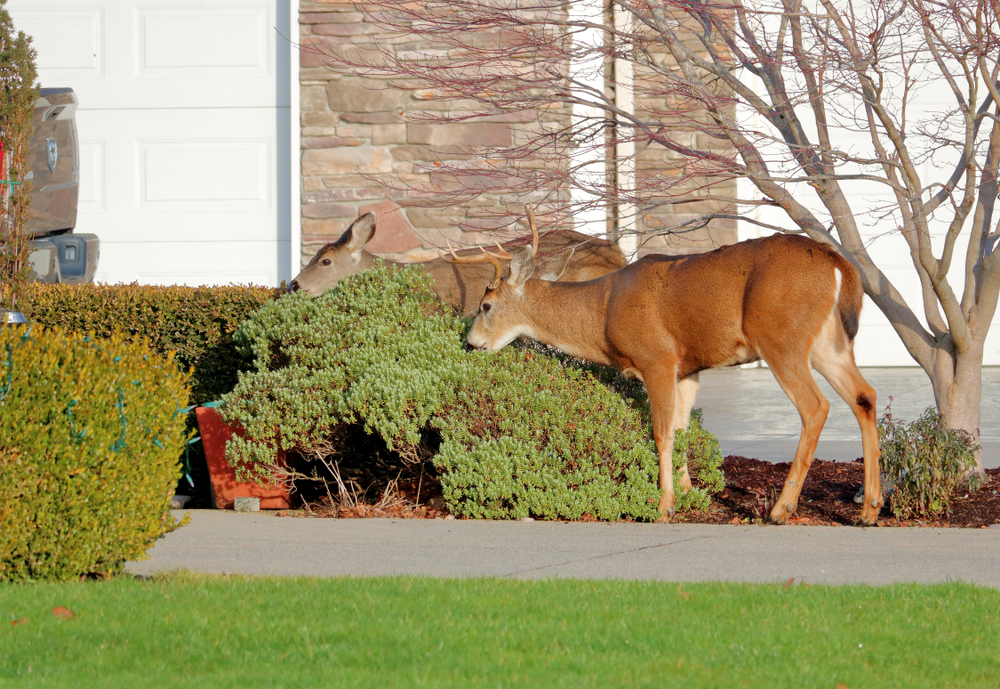
You spent spring planting new shrubs, summer keeping them watered, and fall making sure they’re ready for colder weather. Then, one winter morning, you look outside and discover that deer have eaten half the branches off your favorite plants. Unfortunately, winter browsing can undo months or even years of gardening work in a surprisingly short time.
As natural food becomes harder to find, deer may turn to ornamental shrubs, young trees, and evergreen landscaping for nourishment. According to the University of Minnesota, deer feed on the terminal and side branches of trees and shrubs, sometimes causing serious damage. Learning how to keep deer from eating shrubs before winter arrives can help protect your landscaping investment without spending a fortune on complicated deterrent systems.
Install Physical Barriers Before Deer Start Feeding
One of the most reliable ways to prevent winter deer damage is to create a physical barrier between hungry animals and vulnerable plants. It’s recommended that you have sturdy fencing approximately eight feet tall when attempting to exclude deer from larger garden areas. However, homeowners protecting just a few shrubs may find individual wire cages more practical and affordable than fencing an entire property. Place the cages far enough from the branches that deer cannot reach through the openings and eat the foliage. Installing these barriers before winter feeding patterns become established can save you from discovering badly damaged shrubs after the first major snowfall.
Use Wire Cages Around Your Most Valuable Shrubs
If you’ve invested in expensive hydrangeas, arborvitae, or young ornamental shrubs, individual wire cages can provide effective protection. The University of Maryland recommends wire mesh cages around larger shrubs and young trees, with three- to five-foot fencing serving as a practical option for individual plants. Unlike a low fence surrounding a large garden, a relatively narrow cage can discourage deer from reaching the plant without requiring an eight-foot structure. Secure the fencing with sturdy posts, allow room for branches to grow, and inspect the enclosure after heavy snow or strong winds. Reusable wire fencing may cost more initially than homemade repellents, but it can protect valuable shrubs for several winters.
Apply Deer Repellents Before Winter Browsing Begins
Commercial deer repellents can be useful when fencing isn’t practical, especially for large properties with numerous shrubs. These products generally work by making plants smell or taste unpleasant, discouraging deer from feeding on treated branches. According to Penn State, repellents work best when applied before deer establish regular feeding patterns, and effectiveness varies with weather and food availability. Apply products only to plants listed on the label, follow temperature requirements, and reapply as directed after rain, snow, or extended exposure. Repellents are not guaranteed protection, particularly during severe winters when hungry deer may ignore unpleasant smells or tastes.
Don’t Rely on Homemade Tricks Alone
Gardeners frequently recommend hanging soap bars, scattering human hair, or placing strongly scented household products around shrubs to discourage deer. While some of these methods may provide temporary results, they aren’t consistently reliable during prolonged winter feeding pressure. Homemade repellents can lose effectiveness over time, require frequent reapplication, and may fail when deer become desperate for food. Rather than spending time collecting questionable deterrents, prioritize physical protection for plants that would be expensive or difficult to replace. If you enjoy experimenting with inexpensive homemade methods, treat them as supplemental measures rather than your primary defense against winter browsing.
Protect Shrubs Before Snow Makes Branches Easier to Reach
Snow accumulation can change which parts of your landscaping are accessible to deer during winter. As snowbanks grow, deer may be able to reach higher branches that were previously beyond their normal browsing height. Winter animal barriers must account for expected snow levels rather than simply measuring protection from bare ground. Before the first major snowfall, check whether your fencing or cages extend high enough to protect vulnerable branches under typical winter conditions. In regions with heavy snowfall, taller barriers or additional protection may be necessary to prevent deer from feeding above existing enclosures.
Choose Less Appealing Shrubs When Replacing Damaged Plants
If deer repeatedly destroy the same types of shrubs, reconsidering your plant choices may save money over the long term. Some landscape plants are less attractive to deer because of their texture, scent, or other characteristics, although no shrub is completely deer-proof. The University of Maryland recommends considering deer resistance when choosing landscape plants, especially in areas where browsing pressure is consistently high. Before replacing damaged shrubs, consult your local Cooperative office for recommendations suited to your climate, soil conditions, and deer population. Selecting less-preferred plants won’t eliminate browsing entirely, but it may reduce the amount of fencing, repellent, and replacement planting your garden requires.
Inspect Your Shrubs Regularly Throughout Winter
Even well-protected shrubs need occasional attention because winter weather can damage fencing, loosen stakes, or expose previously protected branches. After major snowstorms, check for bent wire cages, gaps beneath barriers, and branches extending beyond protective enclosures. Look for signs of animal browsing during winter and add physical protection when damage becomes apparent. Deer typically leave torn or ragged branch ends because they lack upper front incisors, while rabbits often create cleaner cuts on smaller stems. Catching new damage early gives you an opportunity to reinforce barriers before deer remove enough growth to affect your shrubs’ appearance or recovery.
Protecting Your Shrubs Now Can Save Money Next Spring
Learning how to keep deer from eating shrubs is largely about prevention rather than trying to repair damage after it happens. A few strategically placed wire cages, properly applied repellents, and regular winter inspections can help protect years of plant growth. Fencing may be the only realistic long-term solution in areas with persistent winter browsing, particularly when valuable landscaping is repeatedly damaged. Before spending money on another round of replacement shrubs, consider which plants are most vulnerable and invest in protection that can be reused season after season.
Have deer damaged your shrubs during winter, and have you found a fencing method, repellent, or other strategy that actually keeps them away? Share your experiences and money-saving tips in the comments.
What to Read Next
How to Protect Young Trees From Winter Sunscald
How to Clean Birdbaths Before Freezing Temperatures Arrive
The Best Tree Guards for Preventing Cold-Weather Bark Damage
Leave a Reply