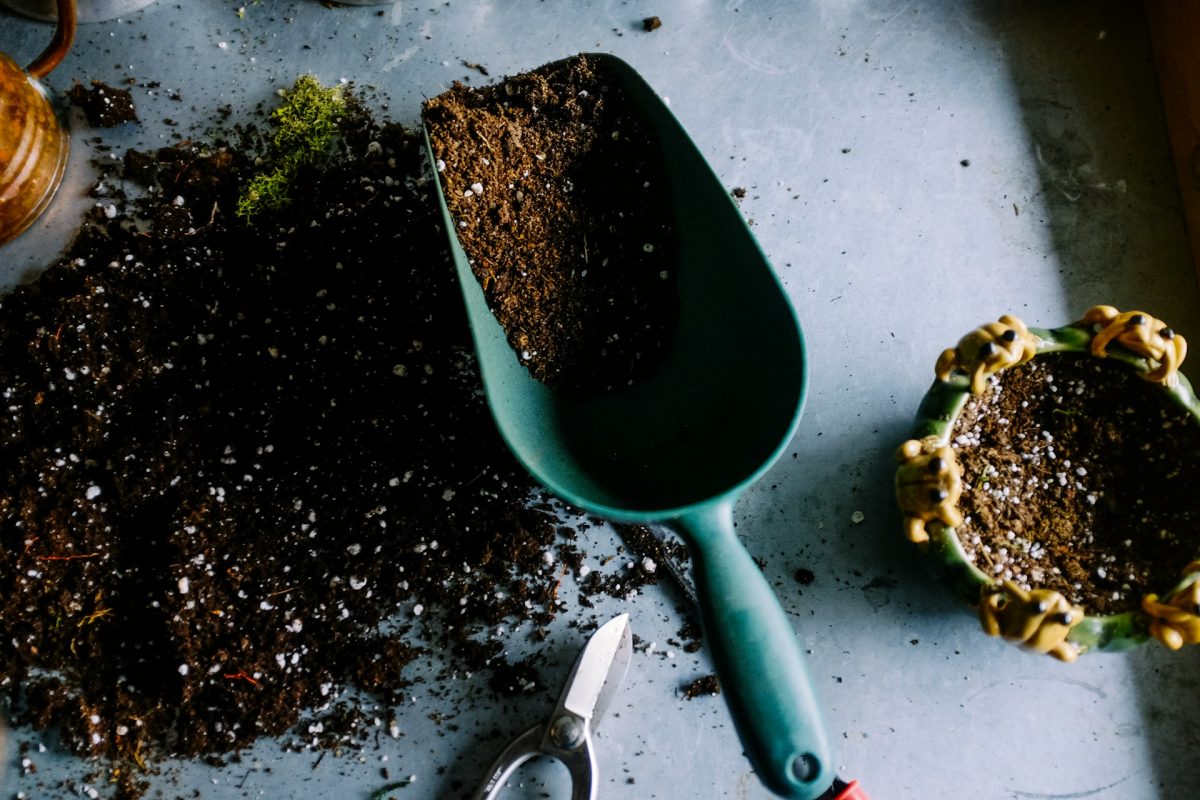
If you think mixing your own potting soil is harmless, think again. A fluffy, nutrient-rich blend that seems perfect for your indoor plants can secretly turn into a mold magnet. It isn’t just a minor nuisance sitting on the surface; it can actively harm your plants and create a household hazard.
Experts are sounding the alarm on a mistake so common it might surprise even seasoned gardeners. What seems like careful care can quickly turn into a battle against a creeping green or white fuzz.
When DIY Soil Goes Rogue: The Mold Explosion
Mold doesn’t appear in potting mixes out of nowhere. It thrives when gardeners overlook moisture, air circulation, or the balance of ingredients. Homemade blends often combine compost, peat, perlite, or vermiculite in generous amounts, which seems ideal until microbes find the perfect breeding ground. Experts point out that compost, if not properly sterilized, carries fungal spores that wake up as soon as moisture arrives. Even when gardeners follow “tried and true” recipes, the ratios of wet to dry components can unintentionally favor mold. Once spores settle in, the soil turns into a micro-greenhouse, perfect for fungus that can stress roots, stunt growth, and sometimes kill plants outright.
Airflow and drainage matter far more than many realize. Without adequate gaps for water to escape or for oxygen to reach roots, mold thrives. A soggy layer on top might not look alarming at first, but it signals that conditions favor fungal growth.
Sterilization Isn’t Just a Fancy Word: It’s Essential
One of the biggest oversights in DIY potting mixes lies in assuming that all soil components are “clean.” Gardeners often use compost straight from bins or bags without heat-treating it. Heat treatment kills many spores, bacteria, and insects, giving new seedlings a fighting chance. Experts recommend baking small batches, making sure the soil reaches that temperature uniformly.
Microwave sterilization works for tiny amounts, but larger mixes need oven treatment or even steam pasteurization. Skipping this step may seem harmless, but it gives mold free rein to colonize the mix before plants even get a chance to settle.
The Moisture Trap: How Overwatering Helps Mold Party
Water is essential for plants, but it’s also the main ingredient in mold’s favorite recipe. Many gardeners assume adding more water keeps plants happy, but mold thrives in overly damp environments. DIY mixes often retain more water than commercial soil because the ratios of peat or compost weren’t calibrated for drainage.
Without careful observation, the soil becomes a sponge that never fully dries, giving mold spores constant access to moisture. Experts suggest a simple trick: check the top two inches of soil. If it feels moist for days on end, adjust watering habits and consider adding coarser materials to improve drainage.
Not All Compost and Peat Are Created Equal
When gardeners make their own potting mix, ingredient choice matters immensely. Fresh compost is full of nutrients but also loaded with microbial life, including mold spores. Peat moss provides water retention but can compact easily, creating low-oxygen zones where mold thrives. Perlite and vermiculite improve aeration, but using too little won’t solve the problem.
Experts recommend balancing water retention with airflow and adding natural fungicidal components like neem cake or charcoal if mold persists. Even wood ash can help in small amounts, raising soil pH slightly and creating a less hospitable environment for fungal growth.
The lesson here is simple: don’t assume every “natural” ingredient is automatically plant-friendly in every scenario. DIY mixes require careful calibration, the same way recipes for baking require precise measurements.
Observation Is the Gardener’s Superpower
Even with sterilized soil, balanced ingredients, and proper watering, mold can appear if conditions favor it. Experts stress the importance of daily observation. White or green fuzz on the soil surface is a warning, not just an aesthetic problem. Removing top layers of mold, adjusting watering, and increasing airflow can prevent spread. Using a small fan or opening windows periodically helps maintain circulation, and some gardeners even use clay pebbles on top of soil to reduce moisture contact at the surface. The key is proactive care, not reactive panic. DIY mixes give flexibility, but that flexibility demands attentiveness.
Watching plants closely also helps spot early root issues. Mold doesn’t always stay at the surface. It can reach roots, particularly in dense, poorly aerated mixes, creating conditions for root rot. Snipping affected leaves, adjusting light, and re-potting when necessary are all part of responsible DIY gardening. Experts emphasize that awareness and observation are as essential as any ingredient or sterilization technique.
DIY Doesn’t Mean Risk-Free
Making your own potting mix offers control, customization, and the satisfaction of knowing exactly what feeds your plants. But it also comes with responsibilities that commercial mixes handle for you.
Sterilize ingredients, balance moisture retention and drainage, select components wisely, and monitor soil continuously. Avoid the temptation to overwater or rely solely on compost. Mold is not a mysterious intruder; it’s a response to conditions that can be corrected. When approached thoughtfully, DIY mixes thrive without turning your indoor garden into a fungal experiment.
Master Your Soil and Keep Mold at Bay
The heart of the matter is preparation and attentiveness. Mold doesn’t have to be inevitable. With sterilized ingredients, proper drainage, balanced composition, and careful observation, you can enjoy the freedom of making your own potting mixes while keeping fungal invaders at bay. Each container, each batch of soil, is a micro-ecosystem, and understanding it gives you control rather than frustration. DIY potting mixes aren’t inherently dangerous, but neglecting the details invites mold into your home and onto your plants. Approach the process with curiosity and care, and your garden will thrive without the unwanted green fuzz.
What tricks have you discovered for keeping DIY potting soil mold-free? Share your tips and experiences in the comments below.
You May Also Like…
Why This Common Soil Habit Is Secretly Destroying Your Spring Garden
Why Your Garden Hose Could Be Leaching Chemicals Into Your Soil
The Hidden Mold Problem Lurking in DIY Potting Mixes
This Winter Gardening Habit Is Spreading Mold and Root Rot, Experts Warn
Leaf Mold Gold: Turning Yard Waste into Next Year’s Best Soil

Brandon Marcus is a staff writer for FrugalGardening.com at District Media, Inc., where he delivers practical gardening advice with a relatable, no-nonsense style. An avid amateur gardener, he holds a BA degree and with over ten years of professional writing experience, he is also an award-winning published author whose first book, Questions For Deep Thinkers, was released by Adams Media. His work has appeared in major publications including Fandom.com, CHUD.com, TheColdWire.com, and Fansided.com.
Leave a Reply