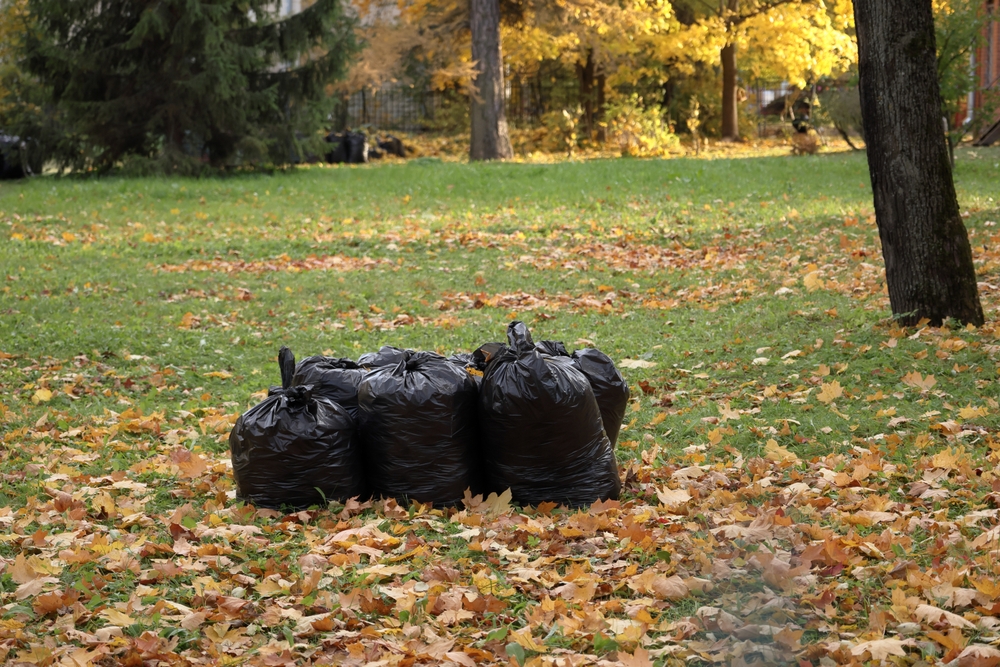
It starts innocently enough. A few bags of leaves. A pile of grass clippings. Maybe some trimmed branches stacked neatly by the curb, waiting for pickup. Most homeowners assume yard waste is the easiest part of home maintenance — rake it up, bag it, and move on with your life. But here’s the surprise that’s catching people off guard across the country: in many cities, towns, and communities, there are specific rules about yard waste disposal that homeowners don’t even realize exist — and breaking them can lead to fines, citations, or forced cleanups.
What makes this so tricky is that these rules aren’t usually obvious. They’re buried in local ordinances, HOA bylaws, sanitation department guidelines, and environmental regulations that most people never read unless there’s a problem.
The “It’s Just Leaves” Myth That Gets People in Trouble
One of the biggest misconceptions homeowners have is that yard waste is harmless and unrestricted. Leaves, grass clippings, branches, and plant trimmings feel natural, biodegradable, and environmentally friendly — and in many ways, they are. But when yard waste is disposed of incorrectly, it can clog storm drains, contaminate waterways, attract pests, and disrupt local waste systems.
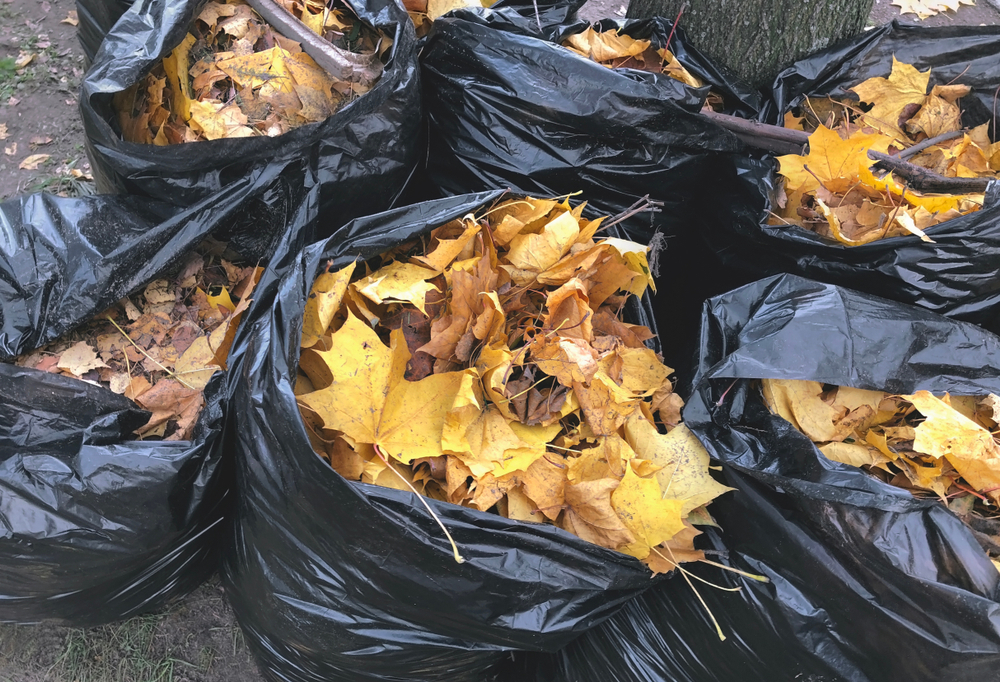
Many municipalities classify yard waste separately from regular household trash. That means it often cannot go into standard trash bins, cannot be dumped in natural areas, and cannot always be placed on the curb in regular plastic bags. Some communities require compostable bags, specific containers, or scheduled yard waste pickup days. Others prohibit loose piles entirely.
Burning, Bagging, and Dumping: The Hidden Traps
Another major source of confusion is burning yard waste. In many areas, burning leaves, branches, or yard debris is restricted or outright banned due to air quality regulations and fire safety risks. Even rural areas that allow controlled burning often require permits, specific weather conditions, and distance requirements from structures or roads. Homeowners who assume “people have always burned leaves” can end up facing citations without realizing the rules changed years ago.
And then there’s dumping, which is one of the fastest ways to get fined. Whether it’s a roadside ditch, a vacant lot, or the edge of a park, dumping yard waste is often treated the same as illegal trash disposal. The fact that it’s “natural” doesn’t make it legal.
Why These Rules Exist (And Why They’re Expanding)
These rules aren’t just about control — they’re about infrastructure and environmental protection. Organic waste in landfills produces methane, a powerful greenhouse gas. Yard debris in storm drains causes flooding. Plant waste in waterways disrupts ecosystems. Invasive species often spread through improperly dumped yard materials.
In other words, this isn’t about punishing homeowners — it’s about managing waste in a way that protects communities, infrastructure, and the environment. But the communication gap is real, and many people simply never get told the rules until they accidentally break them.
What Homeowners Should Do Before the Next Cleanup
The smartest move isn’t panic — it’s awareness. Start by checking your local city or county sanitation website. Look for sections labeled “yard waste,” “green waste,” or “organic waste.” These pages usually outline exactly how yard debris must be handled, what containers are allowed, and when pickups occur.
If you live in a neighborhood with an HOA, review the bylaws or community rules. Many HOAs have their own yard waste guidelines that go beyond city rules, including how long debris can stay visible and where it can be stored.
Small Rules, Big Consequences, Easy Fixes
The wild part about all of this is how easy it is to avoid problems once you know the rules exist. Most homeowners who get fined or warned aren’t being careless — they’re just unaware. The rules are rarely malicious or complicated, but they are specific, and they are enforceable.
Yard waste feels simple, but modern waste systems don’t treat it that way anymore. As environmental standards rise and infrastructure evolves, homeowners are expected to follow systems that didn’t exist a generation ago. The good news is that most of these rules actually make neighborhoods cleaner, safer, and healthier when followed correctly.
The Rule You Didn’t Know Can Save You a Lot of Trouble
Yard waste rules exist in far more places than people realize, and ignoring them can lead to fines, cleanup orders, and community conflicts that no homeowner wants to deal with. But with a little knowledge and a few smart habits, staying compliant is surprisingly easy.
Have you ever been surprised by a rule in your neighborhood or city that you didn’t know existed? Share your experience in the comments — chances are, you’re not the only one.
You May Also Like…
NC State Agriculture Officials Issue New Alert About an Invasive Pest Moving Into Backyards
The Overlooked Yard Tasks That Can Keep Thieves Away From Your Home
8 Ways to Reduce Garden Waste Before the Growing Season Starts
Leaf Mold Gold: Turning Yard Waste into Next Year’s Best Soil
12 Ways to Grow Microgreens Indoors While the Ground is Frozen

Brandon Marcus is a staff writer for FrugalGardening.com at District Media, Inc., where he delivers practical gardening advice with a relatable, no-nonsense style. An avid amateur gardener, he holds a BA degree and with over ten years of professional writing experience, he is also an award-winning published author whose first book, Questions For Deep Thinkers, was released by Adams Media. His work has appeared in major publications including Fandom.com, CHUD.com, TheColdWire.com, and Fansided.com.
Leave a Reply