Spring will be here before you know it! One minute the beds are quiet and muddy, and the next you’re knee-deep in seed trays, pruners, and piles of leftover debris from last year.
Before the growing season truly kicks off, there’s a golden opportunity to reduce garden waste, save time, and make your garden healthier from the ground up. Cutting down on waste isn’t about doing less gardening; it’s about being smarter with what you already have, turning “waste” into a resource, and setting yourself up for a smoother, more satisfying season ahead.
1. Start With a Thoughtful Garden Clean-Up
Before hauling everything to the curb, slow down and take a closer look at what’s actually waste and what still has value. Many dried stems, leaves, and seed heads can be chopped up and reused as mulch or added to compost rather than thrown away. Leaving some plant material in place until temperatures warm also protects beneficial insects that overwinter in hollow stems and leaf litter.
As you clean up, separate truly diseased plants from healthy debris so you don’t accidentally spread problems later. This simple sorting step can dramatically reduce what ends up in bags while quietly supporting your garden’s ecosystem.
2. Compost What You Can, Even in Small Spaces
Composting is one of the most effective ways to reduce garden waste, and it doesn’t require a sprawling backyard setup. Kitchen scraps, dried leaves, spent plants, and even shredded cardboard can all become nutrient-rich compost with minimal effort. If space is tight, consider a compact bin, a tumbler, or even vermicomposting with worms.
The key is balance: mix “green” materials like fresh trimmings with “brown” materials like dry leaves to keep things breaking down efficiently. By the time planting season arrives, you’ll have homemade compost ready to feed your soil instead of bags of waste headed elsewhere.
3. Prune With Purpose, Not Panic
Pre-season pruning often creates some of the largest piles of garden waste, but it doesn’t have to. Focus on removing only what’s necessary: dead, damaged, or crossing branches that truly affect plant health. Many shrubs and perennials don’t need aggressive pruning every year, and overdoing it just creates more debris than needed.
Cut branches into smaller pieces so they can be composted, chipped, or reused as garden borders. Thoughtful pruning saves plants from stress while keeping waste manageable and useful.
4. Reuse Leaves as a Soil-Building Resource
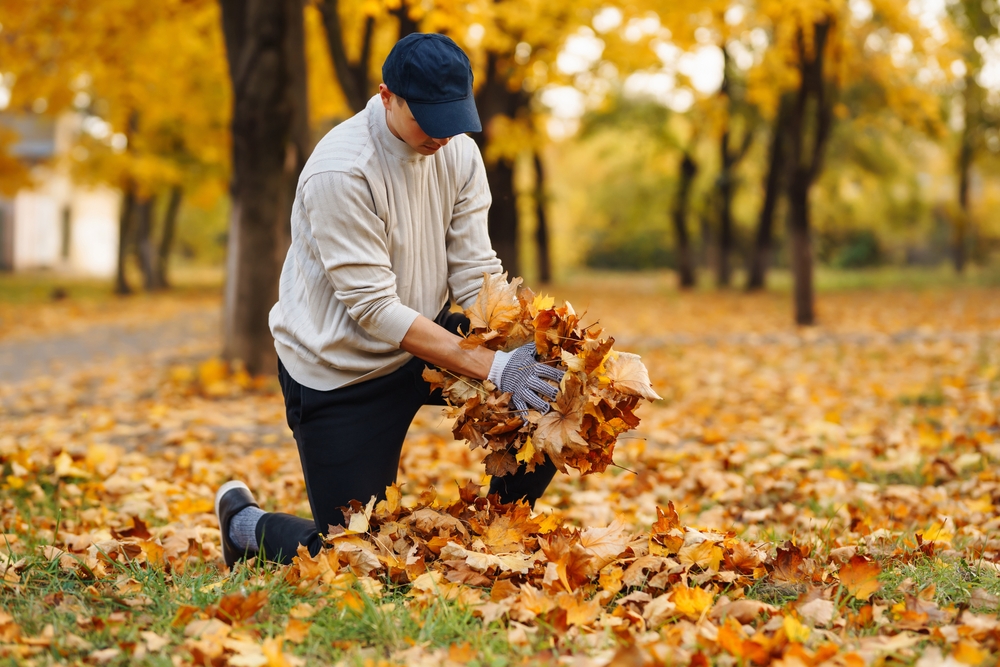
Those bags of fallen leaves are far more valuable than they look. Shredded leaves make an excellent mulch that suppresses weeds, retains moisture, and slowly improves soil structure. You can also add them directly to garden beds where they’ll break down over time and feed soil organisms.
If you have extra, store them dry for later use in compost or as winter mulch next year. Treating leaves as a resource instead of rubbish can drastically cut down seasonal waste while boosting soil health for free.
5. Divide and Share Perennials Instead of Discarding Them
Early spring is prime time for dividing overcrowded perennials, and this process doesn’t need to result in excess waste. Healthy divisions can be replanted in new areas of your garden to fill gaps without buying more plants. Extras can be shared with neighbors, friends, or local community gardens, turning potential waste into goodwill.
Even smaller pieces often establish well with proper care, so don’t underestimate their value. Sharing divisions keeps plants vigorous and reduces the temptation to toss usable material.
6. Plan Your Planting to Avoid Overbuying
A surprising amount of garden waste starts at the store. Buying too many plants or seed packets often leads to unused seedlings, crowded beds, or plants that never find a home. Before the season begins, sketch a rough garden plan that accounts for mature plant size and spacing.
Check what seeds you already have and note which ones are still viable before purchasing more. A little planning helps prevent excess plants from becoming compost before they ever have a chance to grow.

7. Use Natural Mulches Instead of Synthetic Alternatives
Synthetic landscape fabrics and decorative materials often wear out quickly and end up as waste themselves. Natural mulches like straw, bark chips, wood chips, or shredded leaves break down slowly and enrich the soil as they do. They also reduce the need for frequent weeding and watering, saving time and resources throughout the season.
When natural mulch decomposes, it becomes part of the soil rather than something that needs replacing and discarding. Choosing organic options is a long-term waste-reduction strategy that benefits both your garden and your workload.
8. Repair, Repurpose, and Reuse Garden Supplies
Before replacing cracked pots, bent trellises, or worn tools, consider whether they can be fixed or reused creatively. Plastic containers with drainage holes can become seed-starting pots, while broken clay pots can improve drainage in larger planters. Old fencing or branches can be repurposed into plant supports or borders.
Even worn tools often just need sharpening or a new handle to function well again. Repairing and reusing supplies reduces waste while stretching your gardening budget further.
A Smarter Start Sets the Tone for the Whole Season
Reducing garden waste before the growing season starts isn’t about perfection; it’s about intention. When you compost thoughtfully, prune carefully, reuse materials, and plan ahead, you create a garden that works with nature instead of against it. These small, practical steps add up to healthier soil, fewer trash bags, and a more enjoyable gardening experience from the very first planting day. A mindful beginning sets a sustainable rhythm that carries through the entire season.
What’s one habit you’re planning to change this year to cut down on garden waste before spring really takes off? Let us hear about it below.
You May Also Like…
11 Winter Garden Myths That Waste Time and Money
How to Create an Endless Food Supply from Your Kitchen Waste
10 Houseplants That Clean the Air Better Than Purifiers
The Bed-Cleaning Trick That Makes Your Compost Work Twice as Fast
13 Composting Ideas to Use Holiday Kitchen Waste in Your Garden

Brandon Marcus is a staff writer for FrugalGardening.com at District Media, Inc., where he delivers practical gardening advice with a relatable, no-nonsense style. An avid amateur gardener, he holds a BA degree and with over ten years of professional writing experience, he is also an award-winning published author whose first book, Questions For Deep Thinkers, was released by Adams Media. His work has appeared in major publications including Fandom.com, CHUD.com, TheColdWire.com, and Fansided.com.
Leave a Reply