If you love your yard, your garden, or the peace of soaking up sunshine among your flowers and trees, it’s time for a quick reality check: something unwelcome might be creeping in right under your feet. North Carolina agriculture officials have just issued a fresh alert about an invasive pest that’s no longer lurking only in forests or vineyards — it’s showing up in backyards, on patios, and around neighborhood gardens, and it’s stirring up trouble wherever it goes.
This isn’t just a nature story for bug nerds; it hits close to home because this pest can threaten everything from beloved backyard fruit trees to ornamental flowers that make your outdoor space special. Best of all, you don’t need a science degree to help stop it.
Spotted Lanternflies Are Arriving In Yards Everywhere
Agriculture and extension officials in North Carolina have confirmed that spotted lanternflies — a colorful but destructive invasive insect — are moving out of isolated areas and into spaces where homeowners live, play, and garden, signaling broader spread than ever before.
These insects are originally native to parts of Asia and first showed up in the United States in 2014, but over the past decade, they’ve steadily advanced across states and ecosystems, with recent sightings now confirmed throughout the state.
What makes them notorious isn’t just their spotted wings or striking look; it’s the damage they inflict by feeding on the sap of many plant species and leaving behind a sticky substance called honeydew that invites mold and attracts other pests. State officials worry this pest could impact backyard fruit trees, grapes, ornamentals, and vines alike — meaning no patch of greenery is automatically safe.
Why Spotted Lanternflies Spell Trouble For Your Plants
If you think a bug nibbling on your leaves sounds like part of nature’s cycle, these lanternflies are not your garden’s friends, and the harm they cause goes deeper than cosmetic damage. They pierce the bark and stems of plants to suck sap, which weakens plant health over time and makes trees and shrubs more vulnerable to disease and other stressors.
Additionally, the honeydew they excrete fuels the growth of sooty mold—a black fungus that can cover leaves, hamper photosynthesis, and stress plants even further. Lanternfly infestations are especially concerning for growers of grapes, stone fruits, and other backyard produce because heavy feeding can drastically reduce yields and vitality.
Ignoring them doesn’t make them go away. It lets a potentially destructive population take hold in your yard and in your neighbor’s yard, too.
What These Bugs Look Like And When They’re Active
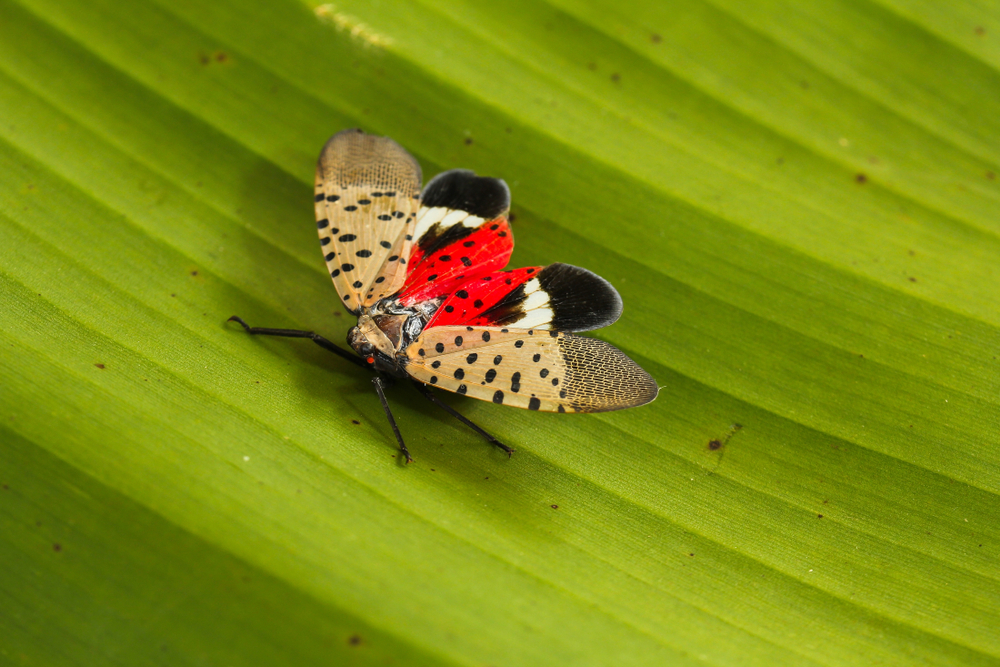
Spotting these pests early increases your odds of stopping them before they become an entrenched problem, so a little bit of visual education goes a long way. Adult spotted lanternflies are roughly an inch long with gray-speckled forewings and bright black with bold red and white underwings, especially visible when they’re flying or startled into motion.
Earlier in the season, nymphs look like little black bugs with white spots or, later, red patches and spots as they grow, which can make them hard to distinguish from other insects at first glance.
Perhaps most sneaky of all are the egg masses they lay during fall and winter — these look like smudged, mud-colored patches on tree trunks, rocks, outdoor furniture, and even your grill, and can lie dormant until spring.
How To Fight Back And Protect Your Yard
Before you imagine calling in an army of pest control trucks, know that home gardeners can be surprisingly effective at making a difference with just a few straightforward tools and habits. Take a few minutes each week to inspect your outdoor plants, patio furniture, and firewood for lanternfly egg masses or unusual insect activity, especially in early spring and fall, when removal makes the biggest difference.
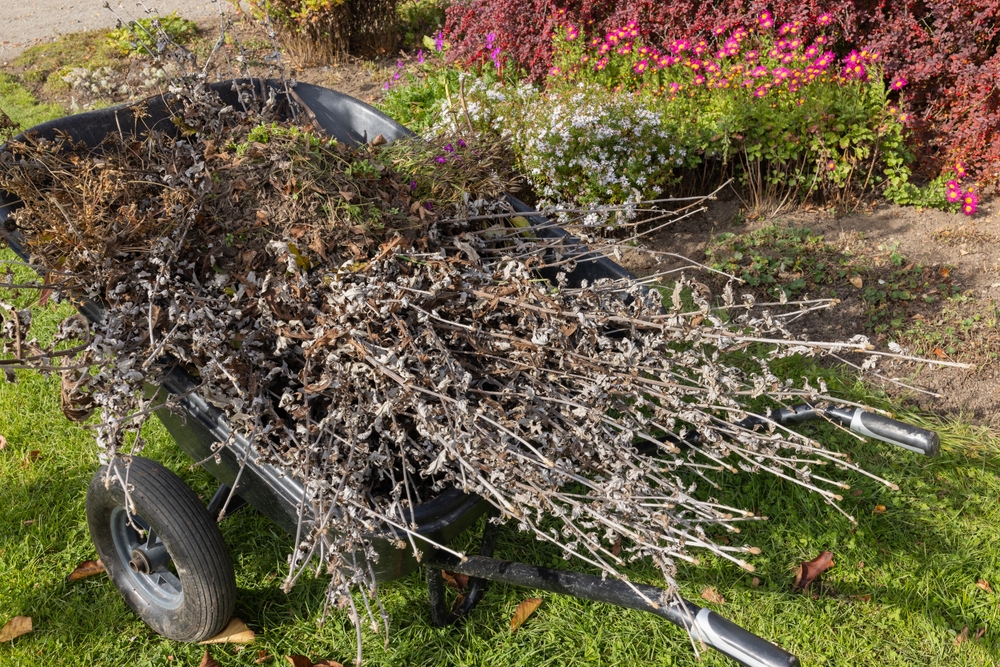
If you find egg masses, scrape them into a container and kill them before they hatch. This simple act removes hundreds of future pests with minimal fuss. Keeping plant debris and woodpiles tidy reduces attractive hiding spots, and avoiding movement of outdoor items from infested areas helps slow the spread to new locations.
What Your Neighbors Are Already Noticing
Lots of yard warriors around North Carolina are seeing more odd bugs, egg clusters, and unexplained plant issues lately, and enthusiasts on local forums have even posted photos of lanternfly sightings mixed with questions about everything from kudzu bugs to native ants.
These community conversations reflect a broader trend: invasive species, whether in gardens, lawns, or wooded edges, are increasingly part of the backyard experience because of global trade, changing weather patterns, and accidental introductions.
Be The Backyard Defender Your Plants Deserve
Invasive pests don’t need permission to move into your yard, but they do depend on a lack of awareness to spread widely and silently, which is exactly why this alert from agriculture officials matters so much. Understanding what spotted lanternflies look like, how they behave, and what you can do to intercept them gives you a real edge in protecting your plants, your outdoor oasis, and your neighborhood’s green spaces. You don’t have to become an entomologist to make a difference — just a curious observer with a keen eye and a willingness to act.
What’s the strangest backyard invader you’ve spotted this year, and how did you handle it? Were you prepared, or was it a total surprise? Tell us your tales in the comments below.
You May Also Like…
10 Garden Structures Worth Building While Bugs Are Gone
Why January Is the Best Time to Prevent Garden Insect Infestations
How to Spot Overwintering Insects in Mulch
5 Bugs in Your Garden That Could Be Destroying Your Home’s Foundation
Gardeners in the Carolinas Warned: Soil Mix Is Testing Positive for Lead

Brandon Marcus is a staff writer for FrugalGardening.com at District Media, Inc., where he delivers practical gardening advice with a relatable, no-nonsense style. An avid amateur gardener, he holds a BA degree and with over ten years of professional writing experience, he is also an award-winning published author whose first book, Questions For Deep Thinkers, was released by Adams Media. His work has appeared in major publications including Fandom.com, CHUD.com, TheColdWire.com, and Fansided.com.
Leave a Reply