Winter has a way of turning even the humblest garden patch into a sweet, flavorful wonderland. When the temperature drops and the first frost rolls in, some vegetables undergo a magical transformation, converting their starches into sugar and leaving your taste buds with an unexpected treat. That crisp nip in the air doesn’t just signal the season—it signals dessert disguised as dinner.
From leafy greens to root vegetables, frost can elevate flavors in ways that a warm summer sun never could. If you’ve ever nibbled a carrot after a cold snap and thought it was dessert, you’re about to learn why that happens—and what other garden goodies are worth waiting for.
1. Carrots
Carrots are practically legendary for their post-frost sweetness. When the temperatures dip, carrots respond by converting stored starches into sugars, essentially turning their roots into natural candy. This makes them taste far sweeter than the summer-harvested versions, and the change is noticeable even in a simple raw snack. Cooking them after a frost intensifies that sweetness even more, perfect for roasting, steaming, or even tossing into a hearty winter soup.
Interestingly, the colder the soil, the slower the carrots grow, giving them more time to develop concentrated flavors. This is why those late-season carrots can feel like a special treat straight from the earth.
2. Brussels Sprouts
Brussels sprouts often get a bad rap, but a frost transforms them into mini green gems of sweetness. The cold triggers a natural chemical change in the leaves, reducing bitterness and highlighting their mild, nutty flavor. Roasting them with a drizzle of olive oil brings out a caramelized quality that is hard to resist. If you’ve avoided these sprouts in summer, trying them after the first frost might completely change your opinion.
Gardeners often harvest them late in the season specifically for this reason, because frost actually improves both texture and taste. Sweet and savory at the same time, they become a true winter delight.
3. Kale
Kale is already nutrient-dense, but frost brings out its sweeter side. The cold weather reduces the plant’s bitter compounds, allowing its natural sugars to shine through. This makes kale more tender and flavorful for winter salads or sautéed dishes. Beyond taste, kale’s frost-hardened leaves develop a slight crispness that makes them perfect for chips or stir-fries.
The first frosts can even boost its vitamin content, making it a double win for both flavor and nutrition. For gardeners, letting kale experience a few frosty nights before harvesting is a strategic move that pays off in delicious, versatile greens.
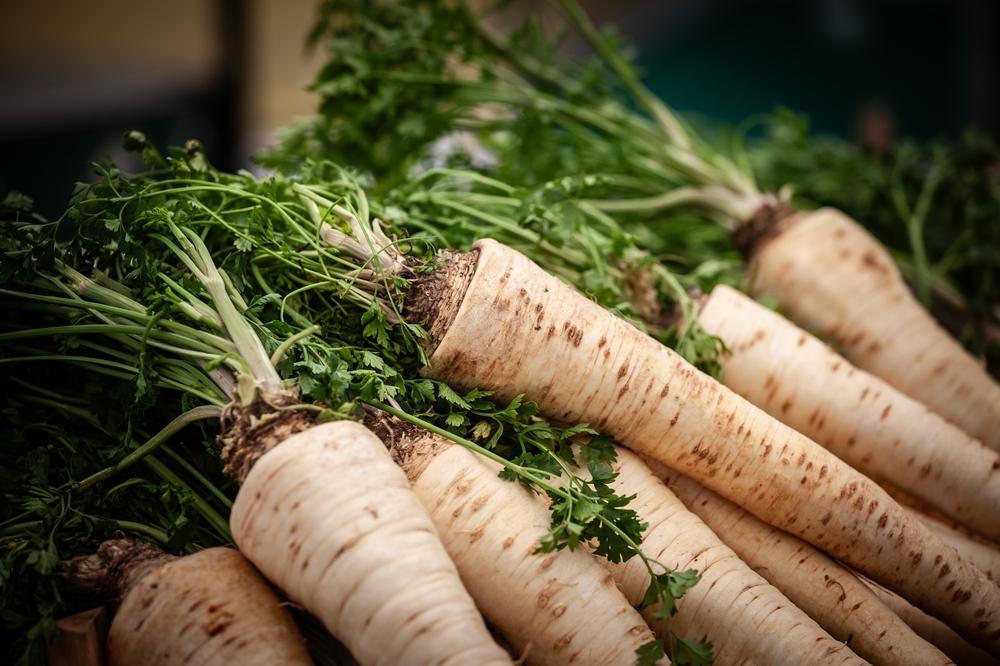
4. Parsnips
Parsnips are the unsung heroes of winter vegetables, and a frost elevates them from ordinary to extraordinary. Similar to carrots, they convert starches into sugar as a defense mechanism against the cold, resulting in a rich, naturally sweet flavor. Parsnips roast beautifully, developing caramelized edges that intensify their earthy-sweet profile. Purees, soups, and even mashed parsnips take on a creaminess and depth that summer-harvested roots can’t match.
The frost also softens their fibrous texture slightly, making them more tender while preserving that signature nutty flavor. Once you taste parsnips after a frost, you’ll wonder why you ever cooked them any other way.
5. Spinach
Spinach may seem delicate, but frost brings a surprising sweetness and depth to its leaves. The cold reduces bitterness and enhances the subtle earthy flavor, perfect for raw salads or lightly sautéed sides. Mature spinach thrives in chillier weather, so late-season harvests are often more tender and flavorful than spring crops. Frost can even boost the concentration of certain nutrients, making it a smart addition to your winter diet.
For anyone who has shied away from raw spinach, trying it after a frost can reveal a whole new dimension of taste and texture. Gardeners often plan their planting specifically to capture this sweet, crisp result.
6. Beets
Beets are naturally sweet, but frost gives them an extra layer of depth that’s hard to resist. The sugar conversion in their roots makes late-season beets particularly luscious, ideal for roasting, pickling, or even enjoying raw in salads. The chill helps concentrate the flavors, making them taste richer and less earthy than their summer-grown cousins.
Beet greens aren’t left out either—they soften after frost and develop a mild sweetness that pairs beautifully with citrus or nuts. If you want to experience a vegetable that feels like a winter indulgence, frost-kissed beets are a perfect choice.
7. Cabbage
Cabbage is another cold-weather superstar. Frost decreases the bitterness in its leaves, bringing out a gentle sweetness that works beautifully in slaws, sautés, or hearty soups. Winter-harvested cabbage tends to be firmer, yet more flavorful than its summer counterpart.
The cold encourages a slow growth cycle that allows sugars to accumulate in the head, making it taste more satisfying raw or cooked. Its versatility combined with frost-induced sweetness makes cabbage a winter kitchen essential. Even simple recipes can taste gourmet when you start with cabbage that has survived a few frosty nights.
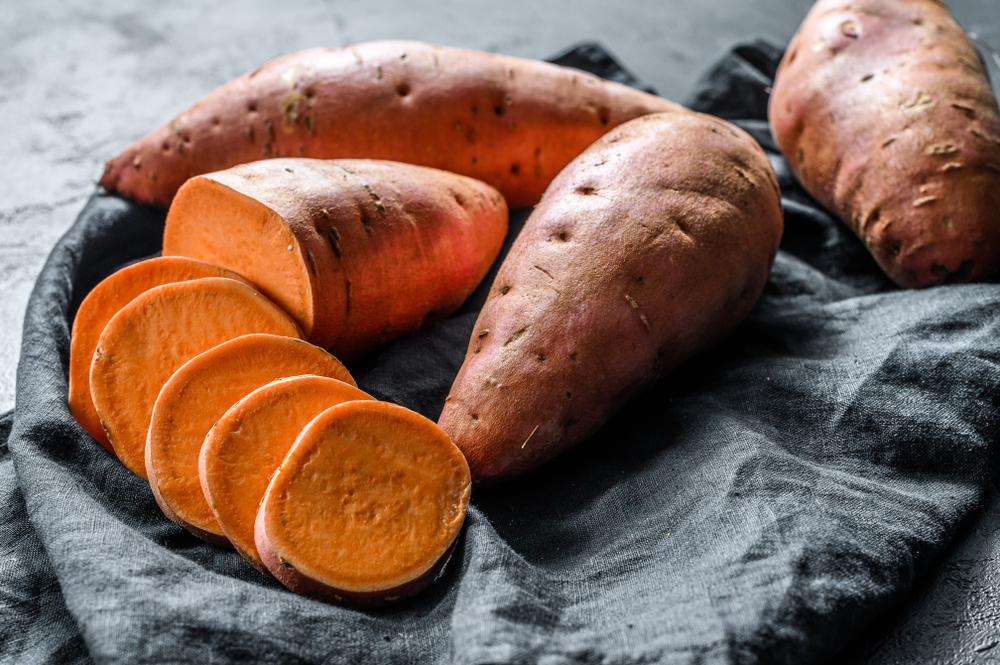
8. Sweet Potatoes
While sweet potatoes are often associated with fall pies, frost can enhance their natural sweetness in the garden. Cold temperatures stimulate sugar formation in their tubers, deepening their flavor profile for roasting, mashing, or baking. The contrast between their creamy interior and lightly caramelized exterior when cooked is unforgettable.
Sweet potatoes store well in the cold, making late harvests an excellent choice for both immediate meals and long-term use. A frost-kissed sweet potato is more than a side dish—it’s a cozy winter treat that tastes like it belongs in a holiday celebration.
9. Collard Greens
Collard greens are a classic winter green that truly benefits from frost. The cold reduces bitterness and allows the plant’s natural sugars to come forward, making it tender, flavorful, and far easier to cook without heavy seasoning. Collards roasted or sautéed after a frost develop a subtle sweetness that pairs beautifully with smoky or spicy ingredients. Their thick leaves hold up well to cooking, making them perfect for stews or braises.
Gardeners often intentionally leave collards in the field until after the first frost, knowing that patience will reward them with superior flavor and texture.
Taste The Chill
Winter vegetables aren’t just survival food—they’re a flavor adventure waiting to happen. Frost can transform humble roots and leafy greens into naturally sweet, tender, and nutrient-rich delights that redefine your cold-weather meals.
If you’ve experimented with frost-harvested vegetables, we’d love to hear which ones surprised your taste buds the most or inspired your favorite recipes. Drop your thoughts or experiences in the comments section below, and let’s celebrate the magic of frost together.
You May Also Like…
7 Vegetables That Tolerate Cold Starts
6 Vegetables That Don’t Need Premium Fertilizers
7 Ways to Prevent Frost Heave From Uprooting Small Plants
What Gardeners Should Do Before the Frost to Avoid Disaster
Are Your Garden Containers Rated for Frost or Will They Crack?

Brandon Marcus is a staff writer for FrugalGardening.com at District Media, Inc., where he delivers practical gardening advice with a relatable, no-nonsense style. An avid amateur gardener, he holds a BA degree and with over ten years of professional writing experience, he is also an award-winning published author whose first book, Questions For Deep Thinkers, was released by Adams Media. His work has appeared in major publications including Fandom.com, CHUD.com, TheColdWire.com, and Fansided.com.
Leave a Reply