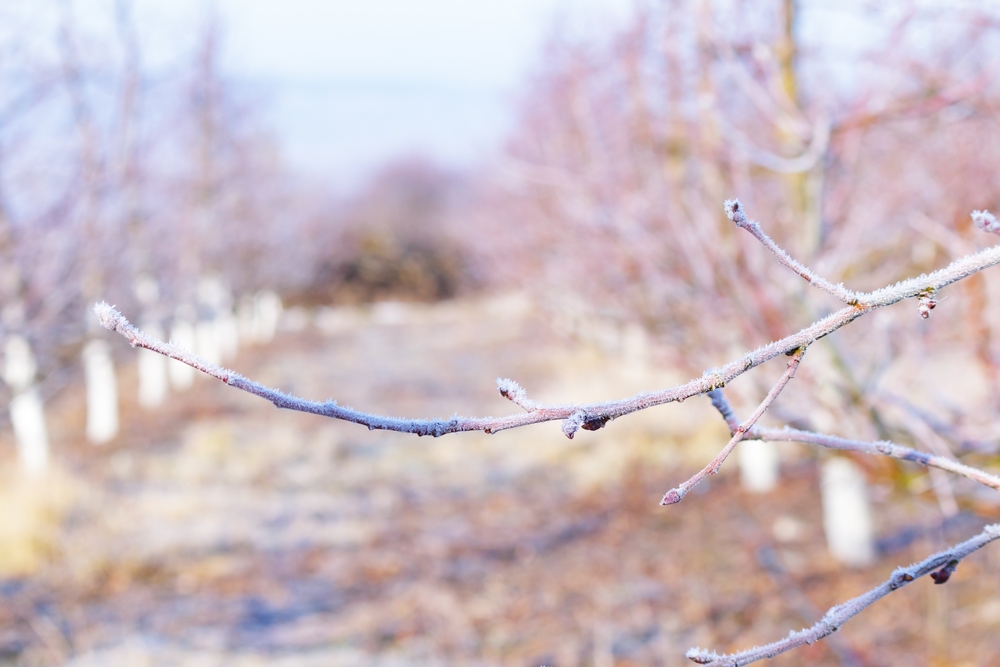
The air is crisp, the leaves are turning fiery shades of orange and red, and the first hints of frost are whispering through the garden. For gardeners, this time of year is thrilling but also a little nerve-wracking. One missed step, one forgotten plant, and a hard frost can turn months of labor into a crunchy, frozen mess. But fear not!
With a dash of preparation, a sprinkle of strategy, and a pinch of urgency, you can protect your garden and even set it up for a spectacular spring comeback. Let’s dive into the ultimate pre-frost checklist that will keep your green kingdom safe and thriving.
Protect Sensitive Plants With Covers And Cloaks
Frost doesn’t have to be the villain of your garden story. Lightweight frost blankets, old sheets, or even burlap can work wonders to shield tender plants. Make sure to secure the covers so they don’t fly away with the first gust of wind. For extra protection, add a layer of mulch around the base of your plants to trap heat from the soil. Even a small effort can save your most delicate blooms from turning into a frosty disaster.
Harvest Vegetables And Fruits Before They Freeze
Waiting too long to pick your crops can be a costly mistake. Root vegetables like carrots and beets, along with leafy greens, are especially vulnerable to frost damage. Tomatoes and peppers can also suffer, so bring them inside or into a protected area. Harvesting early doesn’t mean giving up—it’s a chance to enjoy fresh produce indoors. And let’s be honest, nothing beats a late-season salad grown with your own hands.
Clean Up Garden Debris And Avoid Disease
Dead leaves, fallen branches, and rotting vegetables might seem harmless, but they can harbor pests and diseases over the winter. Take time to clear out old plant material and compost what you can. This reduces the chance of mold and mildew spreading when spring rolls around. A clean garden also makes it easier to apply protective mulch or covers. Plus, a tidy garden is a happy garden, and it makes your pre-frost work feel accomplished.
Mulch Like A Master To Insulate Roots
Mulching isn’t just for aesthetics—it’s your plants’ winter coat. Spread a thick layer of straw, shredded leaves, or bark around the base of perennials, shrubs, and trees. This insulates the soil and maintains consistent moisture levels, which prevents roots from freezing. Remember to avoid piling mulch directly against stems to prevent rot. Done right, mulch acts like a cozy blanket, keeping your garden’s foundation warm and healthy.
Water Wisely To Beat The Frost
It might sound counterintuitive, but watering before a frost can actually help protect your plants. Moist soil holds heat better than dry soil, giving roots a buffer against icy temperatures. Water in the morning so plants have time to absorb moisture before nightfall. Avoid overwatering, which can lead to root rot or frozen puddles. Timing and balance are key—a hydrated garden is a hardy garden.
Bring Potted Plants Indoors Or Into Shelters
Potted plants are the celebrities of your garden when it comes to frost risk. Their roots are fully exposed, making them extremely vulnerable. Move them into a garage, sunroom, or other sheltered space before temperatures drop. If indoor space is limited, cluster pots together and cover them with blankets or frost cloths. Even a few hours of foresight can save your favorite plants from a frosty demise.
Prune Smartly And Strategically
Pruning may seem like a spring chore, but doing it before frost can protect plants from winter damage. Remove any dead, diseased, or damaged branches to prevent breakage under snow or ice. Avoid heavy pruning that encourages new growth—it’s too tender to survive cold snaps. Light shaping and tidying up helps plants conserve energy over winter. Think of it as giving your garden a protective haircut before the cold sets in.
Inspect And Prepare Tools And Equipment
Your garden tools are your secret weapons, and they deserve care too. Clean, sharpen, and store them in a dry space to avoid rust and damage. Drain hoses and irrigation systems to prevent freezing pipes. Make sure frost blankets, stakes, and other protective gear are in good shape and ready to deploy. A well-prepared gardener is a confident gardener, and confidence is half the battle against frost.
Plan For Spring While Protecting Fall
While your eyes are on the frost, your mind can be planning next spring’s garden. Rotate crops, think about soil enrichment, and consider planting cover crops that protect and nourish the soil. Keep track of what survived this frost and what needs extra care. Garden journals aren’t just for memories—they’re for strategy. By planning ahead, you turn frost season from a potential disaster into a springboard for success.
Celebrate Your Hard Work Before The Cold Sets In
Gardening before frost isn’t just about survival—it’s about acknowledging your effort. Step back and admire the garden you’ve nurtured all season. Sip a warm drink, take photos, and appreciate every leaf, bloom, and fruit you rescued. This celebration is a ritual that marks the transition and rewards your diligence. After all, frost might be inevitable, but your preparation makes it conquerable.
Protect, Prepare, Prosper
Frost may be a sneaky villain, but a gardener armed with knowledge, strategy, and a little elbow grease can emerge victorious. By following these steps, you can avoid the heartbreak of frost-damaged plants and enjoy a thriving garden next season. Each action—covering, harvesting, cleaning, mulching, watering, pruning, and planning—adds a layer of protection and confidence. Take pride in your pre-frost efforts, and watch your garden flourish again.
Drop your thoughts, experiences, or tips in the comments section below—we’d love to hear how you tackle the frost season.
You May Also Like…
Are Your Garden Containers Rated for Frost or Will They Crack?
What Every Gardener Should Know About Frost Protection
The Hidden Frost Zones in Your Yard That Kill More Plants Than You Think
How to Wrap Shrubs Like a Pro and Keep Them Safe from Frost
Why Soil Tilth Improves After Frost

Brandon Marcus is a staff writer for FrugalGardening.com at District Media, Inc., where he delivers practical gardening advice with a relatable, no-nonsense style. An avid amateur gardener, he holds a BA degree and with over ten years of professional writing experience, he is also an award-winning published author whose first book, Questions For Deep Thinkers, was released by Adams Media. His work has appeared in major publications including Fandom.com, CHUD.com, TheColdWire.com, and Fansided.com.
Leave a Reply