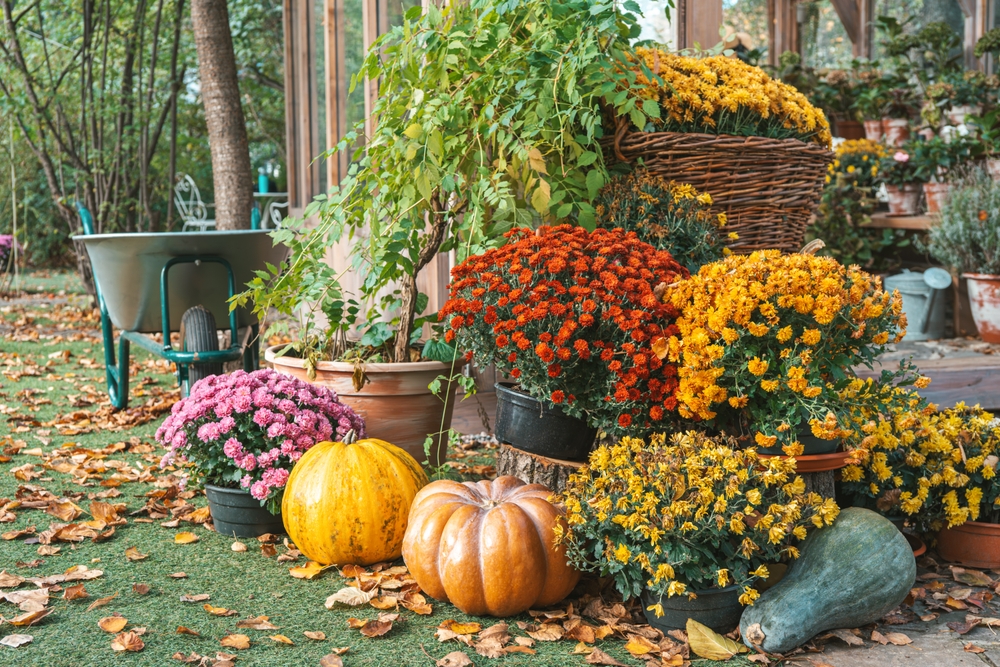
A garden can look wonderfully productive from a distance while quietly wasting money up close. Fall makes those disappointments much easier to spot because the growing season has finally handed over the receipts: Which plants produced plenty, which struggled all summer, and which seemed determined to occupy valuable space while contributing almost nothing?
That makes autumn an excellent time to decide which plants deserve another invitation next year and which ones can stay off the shopping list. A little honest garden bookkeeping now can prevent impulse purchases later, especially when a glossy seed packet or cheerful nursery display makes a mediocre performer suddenly look irresistible.
Judge the Plant by What It Actually Gave Back
A plant does not need to produce a bumper crop to earn its keep, but it should offer something worthwhile for the space, water, fertilizer and attention it consumes. A tomato plant that produces a steady supply of flavorful fruit may deserve another chance even if it looks scruffy by September, while a beautiful plant that yielded three disappointing tomatoes after months of fussing deserves a much tougher review. The same logic works for flowers, herbs and ornamentals, because garden value depends on what a plant contributes rather than how attractive it looked on the nursery bench.
Take a quick inventory while the season remains fresh in the mind, rather than trusting January’s famously forgiving memory. Note plants that produced reliably, handled the weather reasonably well, attracted pollinators, provided cut flowers, supplied herbs or vegetables, or simply filled a difficult spot with very little attention. Then circle the plants that required repeated watering, staking, spraying, replacing or rescuing without giving much in return, because those are the candidates most likely to disappoint again.
A Bad Season Does Not Automatically Make a Bad Plant
Weather can make a perfectly good plant look guilty, so avoid making a permanent judgment from one bizarre growing season. Excessive rain, drought, unusual heat, late frost, disease pressure, or hungry wildlife can knock a normally dependable plant sideways, and gardeners sometimes blame the cultivar when the real problem comes from conditions that nobody could control. That distinction matters because replacing a good plant after one rough year can waste money just as surely as buying the wrong plant repeatedly.
Look for patterns instead of one-off disasters. If a pepper struggled during an unusually cool summer but performed beautifully the previous year, the plant may deserve another try, especially in a warmer location or with a better planting date. If the same plant repeatedly struggles despite reasonable care and a suitable site, however, the garden has probably supplied enough evidence to move on.
Some Plants Cost More in Effort than In Dollars
The price tag on a plant rarely tells the whole story, because inexpensive plants can become surprisingly expensive once constant maintenance enters the picture. A flower that needs frequent deadheading, regular watering and repeated pest protection may demand far more attention than a slightly pricier variety that settles into its spot and performs consistently. Gardening should involve some work, of course, but there is a difference between enjoyable maintenance and spending every Saturday negotiating with one particularly dramatic plant.
This fall, pay attention to the plants that repeatedly created chores without creating much joy. Did a supposedly easy vegetable require endless support and pruning for a tiny harvest, or did a perennial spread into places where it created another problem to solve? Plants that demand specialized conditions also deserve scrutiny if the garden cannot realistically provide those conditions, because buying a plant that dislikes the site amounts to purchasing a future gardening project.
Give Valuable Garden Space to Better Candidates
Space may feel abundant in spring, but it becomes precious surprisingly quickly once seed trays, nursery pots and optimistic plant labels enter the picture. A plant that performs poorly can crowd out a variety that would produce more food, provide longer-lasting flowers or require less intervention. Fall offers the perfect opportunity to identify those weak links before next year’s planting decisions turn into a crowded Saturday-morning shopping cart.
That does not mean every underperforming plant needs immediate removal. A perennial may need another season to establish, a young shrub may simply need time to reach its intended size, and a plant with exceptional wildlife value may earn its place even if it never wins a beauty contest. The better question asks whether the plant fulfills a useful role in the garden and whether another choice could perform that role more effectively, because garden space should serve a purpose rather than become a retirement home for plants nobody wants to move.
Make Next Year’s Shopping List Before Spring Gets Persuasive
Fall notes can save more money than a heroic attempt to resist every tempting display at the garden center. Write down the plants that performed well, the plants that disappointed, the varieties that suffered from pests or disease, and the empty spaces that need something better suited to the conditions. Include useful details such as sun exposure, soil moisture, mature size and the approximate location, because those little notes can prevent the classic mistake of buying a plant first and figuring out where it belongs afterward.
Then make one simple rule for next year’s purchases: every new plant needs a reason to come home. Maybe it offers better flavor, longer bloom, improved disease resistance, stronger wildlife value, a better fit for a shady corner or simply a level of performance that the previous plant never delivered. That small shift turns fall garden cleanup into something more valuable than tidying up, because it creates a record of what worked, what failed and what deserves another chance before the next growing season begins.
Let the Garden Keep the Score
A successful garden does not require perfect plants, endless harvests or a spotless record of good decisions. It requires enough observation to notice when a plant consistently earns its space and enough willingness to make a change when it does not. Fall provides the clearest moment to make that call, while memories of the season remain fresh and the evidence still sits among the fading leaves.
So before next spring’s plant-buying frenzy begins, take a slow walk through the garden and make a brutally practical list. Keep the dependable performers, reconsider the promising ones that faced unusual conditions, and retire the repeat disappointments that consume more resources than they return. The best garden budget does not necessarily buy more plants; it buys better choices.
Which plant earned a spot in your garden this year, and which one definitely will not get a repeat performance next season?
You May Also Like…
A Small Fall Garden Can Keep Producing Long After Summer Tomatoes Are Gone
7 Fall Vegetables That Can Handle Cooler Nights Better Than You Think
How Soil Structure Shifts After Heavy Autumn Rains
10 Plants You Should Divide in Fall Instead of Buying New Ones Next Year
Fall Leaves Could Replace Something You’re Paying for at the Garden Center

Brandon Marcus is a staff writer for FrugalGardening.com at District Media, Inc., where he delivers practical gardening advice with a relatable, no-nonsense style. An avid amateur gardener, he holds a BA degree and with over ten years of professional writing experience, he is also an award-winning published author whose first book, Questions For Deep Thinkers, was released by Adams Media. His work has appeared in major publications including Fandom.com, CHUD.com, TheColdWire.com, and Fansided.com.
Leave a Reply