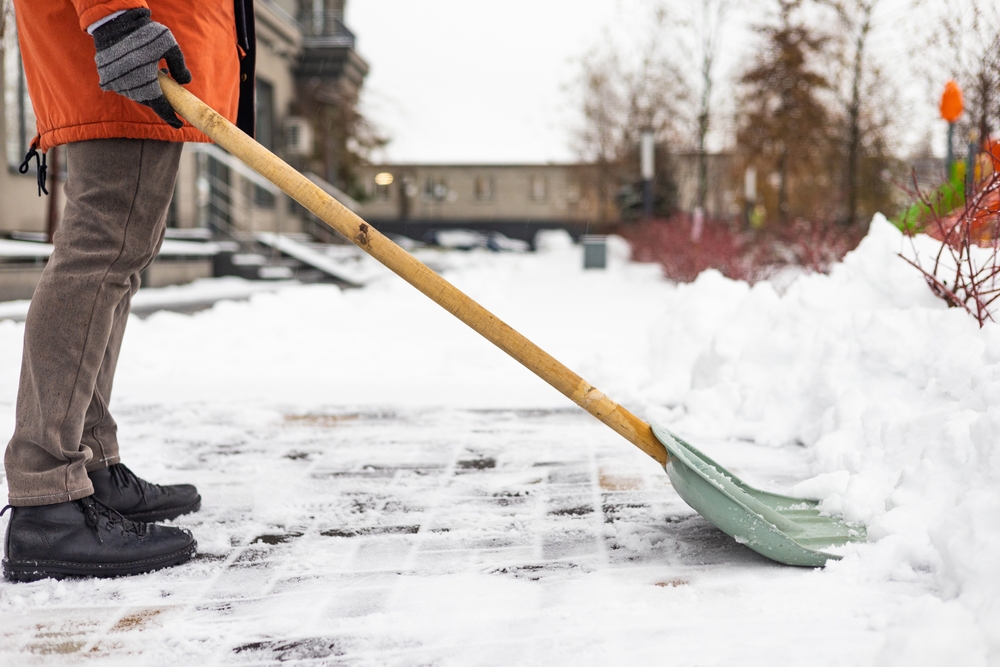
Winter winds are howling, frost has painted your lawn white, and your garden looks like it’s in hibernation. But while most people are curling up under blankets, this is actually the perfect time to tackle those persistent garden issues you’ve been putting off. You might not think January is the most exciting month for gardening, but it’s secretly the smartest one.
Soil preparation, pruning stubborn shrubs, pulling out frozen weeds—this is the moment when your wallet can breathe, and your garden can get the attention it deserves.
Timing Your Garden Projects Can Save Big Money
When it comes to fixing long-term garden problems, timing is everything. January is notoriously slow for garden centers and landscaping services, which means lower prices and better deals. Gardeners often find themselves paying premium rates in spring when everyone suddenly remembers their yard needs help.
In January, contractors have downtime, suppliers have surplus stock, and nurseries are clearing out old inventory, giving you a rare opportunity to buy plants, soil amendments, and equipment at a fraction of the cost. Not only that, but scheduling work like pruning, aerating, or soil testing is easier because professionals aren’t swamped with spring rush jobs.
Soil Preparation And Repair Are Best In Winter
One of the smartest ways to tackle long-term garden issues is by fixing the soil first. Soil doesn’t hibernate just because the plants do, and January is an excellent time to address compaction, nutrient deficiencies, or drainage problems. Adding compost, mulch, or amendments now allows them to integrate slowly over the winter, giving the soil a head start for spring growth.
Cold weather slows down microbial activity, which means nutrients won’t get washed away immediately. You can even take the time to conduct pH testing and adjust accordingly, ensuring that your plants are entering spring with an optimal foundation.
Pruning And Trimming Is Easier Without Foliage
When trees and shrubs are bare, January provides the perfect visibility for pruning. Without leaves in the way, you can clearly see dead or diseased branches, crossing limbs, and structural flaws that need attention. This not only improves plant health but also prevents long-term damage that could require expensive fixes later.
Many gardeners delay this work until spring, but acting now means your plants will be ready for early growth with clean, strong shapes. It’s like giving your garden a fresh haircut after months of wild growth—and it costs less when fewer people are demanding those same services.
Pest And Disease Control Is More Effective In Off-Season
Winter isn’t just downtime for plants—it’s also downtime for many pests. Tackling insect eggs, fungal spores, and other lingering threats in January means you’re controlling problems before they escalate. For example, removing fallen leaves or pruning diseased branches now stops pests from multiplying and prepares your garden for a healthy spring.
Many gardeners wait until the first signs of infestation, which can be costly and stressful. By acting during the off-season, you save money on expensive treatments and reduce the likelihood of recurring issues. Essentially, winter is your garden’s insurance policy, and investing effort now prevents larger headaches later.
Planning And Landscaping Projects Can Be Strategically Cheaper
January is also the best month to plan larger landscaping projects, from building raised beds to installing irrigation systems. Contractors often have openings, equipment rentals are cheaper, and you can negotiate better prices on materials. Since work won’t start until spring, suppliers are motivated to offer discounts, giving you time to budget and tweak plans without losing momentum.
Even if the ground is frozen, you can finalize designs, purchase materials, and prep tools so you’re ready to execute when conditions improve. A well-timed plan saves both money and time, letting you start spring with all your ducks—and plants—in a row.
Starting Seeds Indoors Or Preparing Cold Frames Gives A Head Start
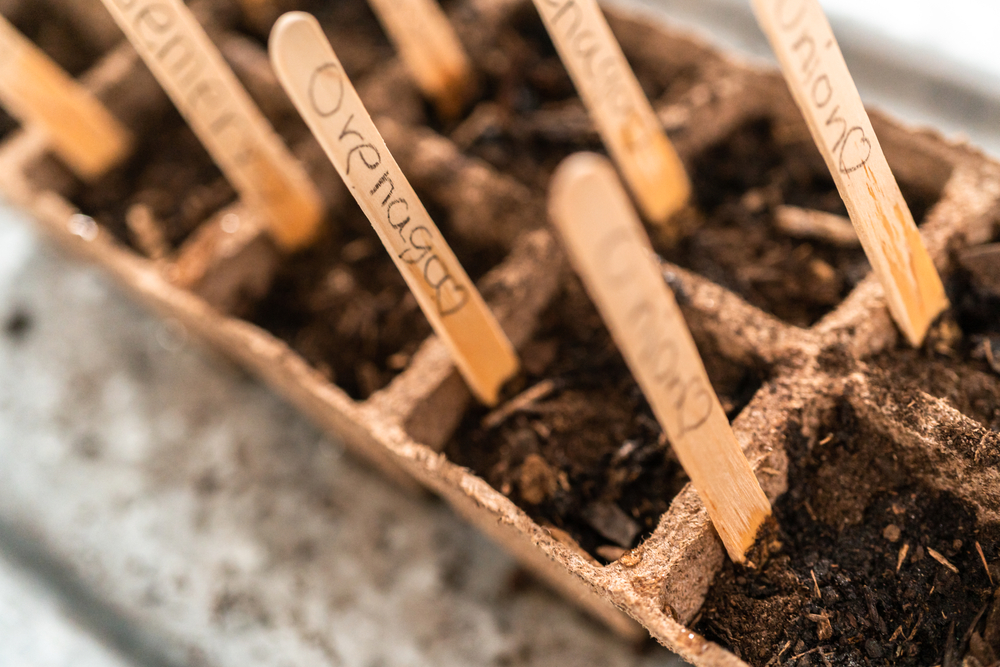
If you want a garden that hits the ground running in spring, January is perfect for indoor seed starting. Many vegetables, herbs, and flowers thrive when started under controlled conditions now, giving you months of extra growth before outdoor planting. This reduces dependency on store-bought seedlings in spring, which are often more expensive due to high demand.
Setting up cold frames or mini-greenhouses allows you to experiment with hard-to-find varieties and prepare transplants in a low-cost, low-pressure environment. By giving your plants an early start, you’re not only saving money but also maximizing your garden’s potential for a bountiful season.
Budget-Friendly Mulching And Composting Opportunities
Mulching and composting are tasks often overlooked in winter, but January is ideal for both. Many municipalities offer discounted or free mulch during off-season months, and composting organic waste now ensures nutrient-rich material for spring planting. Applying mulch to bare soil helps regulate temperature, prevent erosion, and retain moisture for the first thaw. Investing in these small, affordable steps now prevents costly soil amendments later and promotes healthier plants. It’s a classic example of “spend a little now, save a lot later,” and it keeps your garden in tip-top shape without draining your wallet.
Take Advantage Of January And Tell Us About It
January isn’t just the start of a new year—it’s the most strategic month for tackling long-term garden problems. From soil repair to pest control, pruning to planning, the off-season gives gardeners a unique opportunity to save money, prevent issues, and set up a thriving spring. By acting while others wait for warmer days, you gain both a financial and horticultural advantage that pays off all year.
We’d love to hear about your winter garden projects or how you’ve taken advantage of January to improve your garden. Jump into the comments below and let your experiences inspire others to make the most of this surprisingly productive month.
You May Also Like…
Master Gardeners Say This Common January Habit Is Killing Houseplants
9 Cold-Frame Tricks That Keep Greens Growing in January
10 Winter Watering Rules for Trees and Shrubs
6 Soil Additives That Could Backfire in Cold Weather—Experts Warn to Skip These in January
9 Plants That Look Dead in Winter but Come Back Strong

Brandon Marcus is a staff writer for FrugalGardening.com at District Media, Inc., where he delivers practical gardening advice with a relatable, no-nonsense style. An avid amateur gardener, he holds a BA degree and with over ten years of professional writing experience, he is also an award-winning published author whose first book, Questions For Deep Thinkers, was released by Adams Media. His work has appeared in major publications including Fandom.com, CHUD.com, TheColdWire.com, and Fansided.com.
Leave a Reply