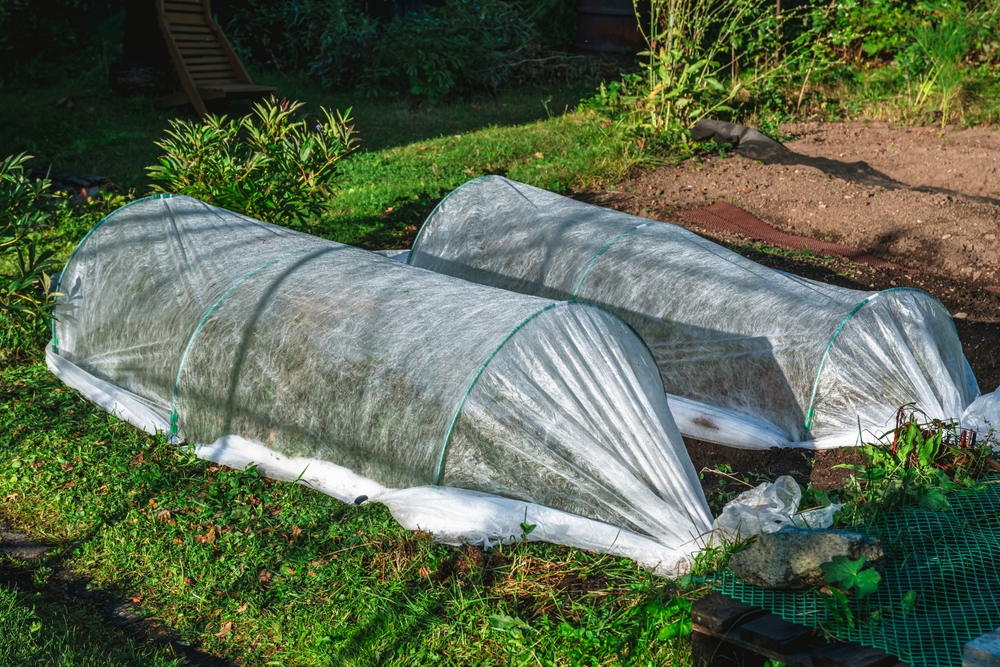
Cold weather has a dramatic flair for showing up uninvited and wreaking havoc on your garden. One minute your tomatoes are thriving, and the next, a frosty night threatens to turn all that hard work into limp, blackened leaves. Gardeners everywhere scramble for frost cloth, but here’s the twist: some of the best plant protection options aren’t sold in garden centers at all. They’re cheap, surprisingly effective, and often already hiding in your garage, closet, or recycling bin.
If you’re ready to outsmart cold snaps without draining your wallet, these clever covers might just become your new garden heroes.
1. Old Bed Sheets And Lightweight Blankets
Old bed sheets are a garden secret weapon that deserves more respect. Made from breathable fabric, they trap warmth close to plants while still allowing moisture and air to circulate. Unlike frost cloth, sheets are often thicker, which means they can hold heat longer through especially cold nights. Draping them over plants creates a cozy microclimate that reduces frost damage significantly. They’re also wide enough to cover multiple plants at once, making them ideal for raised beds or rows of crops.
Best of all, they’re reusable, washable, and usually free if you raid your linen closet. Just remember to remove them during the day so plants can enjoy sunlight and airflow.
2. Plastic Storage Bins And Totes
Upside-down plastic bins may not look elegant, but they work shockingly well against frost. These rigid covers trap warm air from the soil and block icy winds that cause the most damage overnight. Clear bins even allow light to pass through, which helps plants continue photosynthesis during the day. Compared to frost cloth, bins offer sturdier protection and won’t collapse onto delicate leaves. They’re especially effective for individual plants like peppers, herbs, or young seedlings. Just be sure to remove or vent them once temperatures rise to prevent overheating. For a quick fix during sudden cold snaps, bins are hard to beat.
3. Cardboard Boxes And Paper Products
Cardboard might seem flimsy, but it’s an excellent insulator when used correctly. Thick boxes trap air inside, which helps maintain warmer temperatures around plants overnight. Unlike frost cloth, cardboard blocks wind entirely, a major advantage during blustery cold fronts. It’s also biodegradable, making it an eco-friendly option for short-term use. Boxes work best when weighted down with bricks or rocks to prevent them from blowing away. They’re perfect for low-growing plants or young transplants that need extra help. Just remove them in the morning to avoid moisture buildup and mold issues.
4. Bubble Wrap And Packing Materials
Bubble wrap isn’t just for shipping fragile items; it’s also fantastic for protecting plants from frost. The air pockets act as insulation, holding warmth remarkably well during cold nights. Wrapped loosely around pots or frames, bubble wrap can outperform frost cloth in terms of heat retention. It’s especially useful for container plants that lose heat quickly. While it doesn’t breathe like fabric, strategic ventilation during the day prevents condensation problems. Reusing packing materials also keeps them out of landfills, which is a nice bonus. For gardeners who love clever hacks, bubble wrap is a standout choice.
5. Large Plastic Bottles And Milk Jugs
Cut plastic bottles and milk jugs create mini greenhouses that shield plants from frost. When placed over seedlings, they trap heat and protect against wind while still letting in sunlight. Unlike frost cloth, these covers are rigid and won’t sag onto leaves. They’re ideal for individual plants and early-season planting when nights are unpredictable. Removing the cap during the day allows airflow and prevents overheating. This method is especially popular with gardeners who enjoy DIY solutions. Plus, it’s a great way to reuse everyday household waste in a practical way.
6. Straw, Leaves, And Natural Mulch
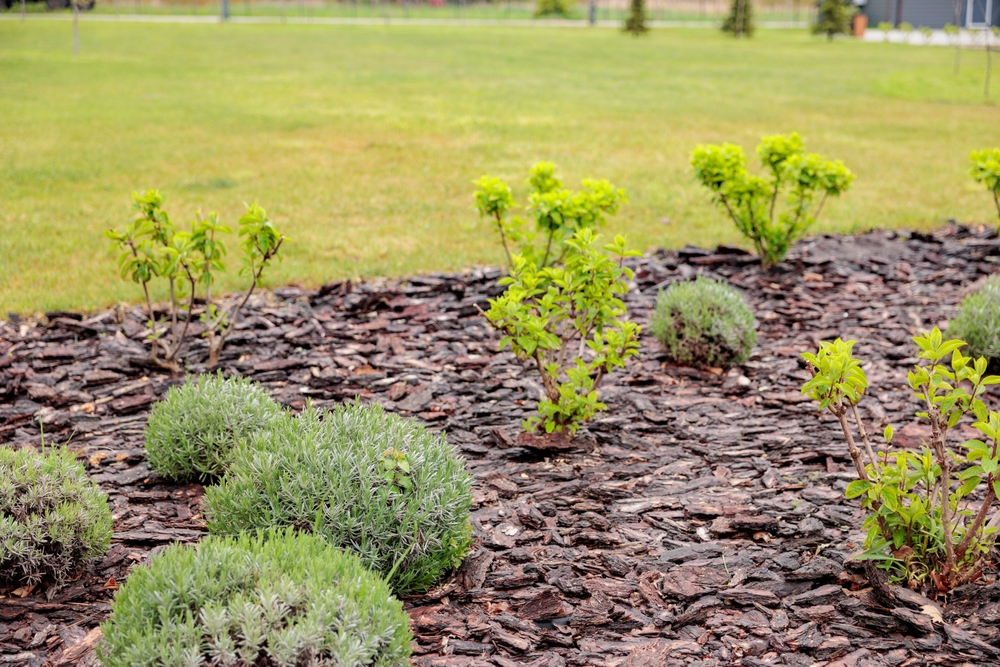
Nature already provides some of the best frost protection materials around. Straw, dry leaves, and pine needles create an insulating blanket that shields soil and roots from freezing temperatures. Unlike frost cloth, mulch protects plants from the ground up, which is critical for long-term health. It helps maintain consistent soil temperatures and reduces moisture loss. Mulch also improves soil quality as it breaks down over time. While it’s not ideal for covering tall plants, it’s unbeatable for perennials and root crops. This low-cost option delivers benefits far beyond frost protection.
7. Old Towels And Heavy Fabric Scraps
Towels and thick fabric scraps offer superior insulation compared to standard frost cloth. Their weight helps keep them in place during windy nights, reducing gaps that let cold air in. They’re especially useful during severe cold spells when thin materials just don’t cut it. Draped carefully, they can protect everything from shrubs to vegetable plants. Because they absorb moisture, it’s important to dry them out between uses. Despite that small drawback, their warmth retention makes them incredibly effective. For gardeners facing unpredictable cold, these heavy fabrics are a reliable fallback.
Cold-Proofing Your Garden On A Budget
Frost doesn’t have to mean defeat, and expensive supplies aren’t the only answer. With a little creativity and a willingness to experiment, everyday household items can outperform traditional frost cloth in surprising ways. These budget-friendly covers not only protect plants but also reduce waste and make gardening more accessible. Every garden is different, and part of the joy lies in discovering what works best for your space.
If you’ve tried any unconventional plant covers or learned lessons from battling cold nights, drop your thoughts or experiences in the comments section below. Your ideas might inspire another gardener to save their harvest.
You May Also Like…
Can Your Garden Recover After a Harsh Winter Freeze?
Why Frost Blankets Are Worth the Investment
6 Gorgeous Flowers You Can Grow In Winter
10 Groundcovers That Look Beautiful but Hide Invasive Behavior
What’s the Real Benefit of Using Garden Covers and Tunnels?

Brandon Marcus is a staff writer for FrugalGardening.com at District Media, Inc., where he delivers practical gardening advice with a relatable, no-nonsense style. An avid amateur gardener, he holds a BA degree and with over ten years of professional writing experience, he is also an award-winning published author whose first book, Questions For Deep Thinkers, was released by Adams Media. His work has appeared in major publications including Fandom.com, CHUD.com, TheColdWire.com, and Fansided.com.
Leave a Reply