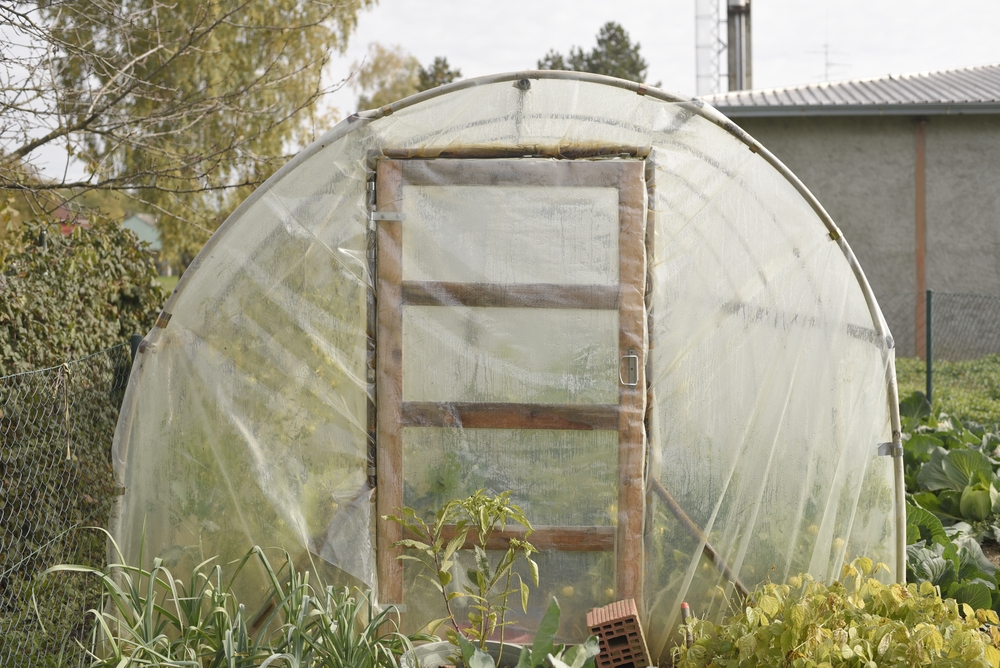
January doesn’t have to mean giving up on fresh salads, even if your yard looks like a frozen brick. A simple cold frame can turn a bare bed into a mini greenhouse that quietly pays you back all month. The best part is that most upgrades cost little or nothing if you use what you already have. With a few smart tweaks, you can keep greens growing through cold snaps, weird warm-ups, and gray weeks. Here are nine frugal tricks that help your cold frame work harder without turning into a full-time project.
1. Face It South And Chase Winter Light
Set your cold frame so the clear top faces true south for the most sun exposure. If you can’t move the frame, angle the lid with a scrap board under the north side to tilt it toward the sun. Keep the glazing clean because winter grime steals more light than you’d think. Trim back nearby branches that cast shadows in the middle of the day. Even a small boost in light raises daytime temperatures and improves growth.
2. Add A Cheap Night Blanket For Extra Warmth
Insulate at night by tossing an old blanket, moving quilt, or piece of bubble wrap over the lid. Keep it dry by placing a tarp or shower curtain liner on top if snow or rain is expected. Pull the cover off in the morning so plants don’t lose precious light. This is one of the simplest ways to keep greens growing when the forecast dips below freezing. Store the cover nearby so you’ll actually use it when temperatures change fast.
3. Aim For Morning Sun To Keep Greens Growing
Morning sun matters because it warms the frame early and reduces the time plants sit in cold dampness. Place the cold frame where it gets sun by mid-morning, not just late afternoon. If you only have one decent spot, choose sun over wind protection and add wind blocking another way. Early warmth also helps melt light frost inside before it stresses leaves. That quick warm-up can make growth steadier all week.
4. Seal Drafts With Foam Tape And A Simple Weight
Drafts turn a cold frame into a cold fan, so block gaps around the lid with inexpensive foam weatherstripping. Check corners and hinges first, because those tiny cracks leak the most heat. Add a brick or paver on the lid edge so wind can’t rattle it open. A steady seal keeps your interior temperatures more stable, which helps keep greens growing without constant tinkering. Do a quick “hand test” on a windy day and you’ll feel where air is sneaking in.
5. Use Thermal Mass To Hold Heat Overnight
Thermal mass sounds fancy, but it can be as basic as dark water jugs inside the frame. Fill a few old gallon jugs, paint them black, and line them along the back wall where they won’t shade plants. The water absorbs heat during the day and releases it slowly at night. This can be the difference between limp leaves and greens growing through a cold night. If space is tight, use smaller bottles tucked between pots or along the sides.
6. Vent On Purpose So Plants Don’t Get Stressed
Even in January, a sealed frame can overheat on a sunny day and cause condensation that invites disease. Prop the lid open a crack around midday when the interior feels warm to your hand. Close it before late afternoon so you trap heat for the evening. Consistent ventilation keeps leaves drier and supports greens growing without mildew surprises. A simple stick cut to two or three lengths makes venting easy and repeatable.
7. Water At The Right Time, Not The Most Convenient Time
Watering late in the day can leave soil cold and soggy overnight, which slows growth. Instead, water in late morning so the frame warms up and the surface can dry a bit. Keep moisture even, not drenched, because winter roots hate sitting in mud. Good timing supports greens growing with less rot and fewer fungus issues. If you’re unsure, feel the soil an inch down and water only when it’s just barely dry.
8. Double Your Cover With An Inner Mini-Tunnel
Create a second layer inside your cold frame using wire hoops and row cover fabric. This “frame within a frame” traps extra warmth right around the plants. You can also use clear plastic in the coldest weeks, then switch to fabric when days get brighter. It’s a small, cheap build that keeps greens growing when outside temps swing wildly. Leave a little slack so the inner cover doesn’t press on the leaves and cause damage.
9. Harvest Smart And Replant In Micro-Batches
Harvest outer leaves instead of yanking whole plants, because regrowth is faster than starting from scratch. Re-seed small patches every couple of weeks so you don’t hit a sudden “nothing left” moment. Choose cold-tough varieties like mâché, claytonia, spinach, kale, and hardy lettuces for the best January results. Keep a spare packet of seed in your gardening tote so you can replant immediately after a harvest. Tiny, steady replanting beats one big sowing that peaks and fades.
Your January Salad Insurance Plan
A cold frame is most productive when it’s treated like a simple system: light, warmth, and airflow working together. Start with the easiest upgrades, like a night cover and draft sealing, because those deliver fast wins. Add thermal mass and an inner cover when you’re ready to push through colder stretches. Keep an eye on venting and watering, since winter problems often come from moisture, not just temperature. With these habits, you’ll get a steady trickle of harvests instead of a January dead zone.
What’s your go-to cold-frame upgrade when winter weather gets unpredictable?
What to Read Next…
14 Winter Soil Preparation Tips That Boost Spring Growth
7 Compost Layering Mistakes That Stop Heat Production
8 Easy Seed-Starting Setups Using Stuff You Already Own
7 Ways to Prevent Frost Heave From Uprooting Small Plants
5 Quick Tips To Rescue Your Plants From Root Rot

Catherine is a tech-savvy writer who has focused on the personal finance space for more than eight years. She has a Bachelor’s in Information Technology and enjoys showcasing how tech can simplify everyday personal finance tasks like budgeting, spending tracking, and planning for the future. Additionally, she’s explored the ins and outs of the world of side hustles and loves to share what she’s learned along the way. When she’s not working, you can find her relaxing at home in the Pacific Northwest with her two cats or enjoying a cup of coffee at her neighborhood cafe.
Leave a Reply