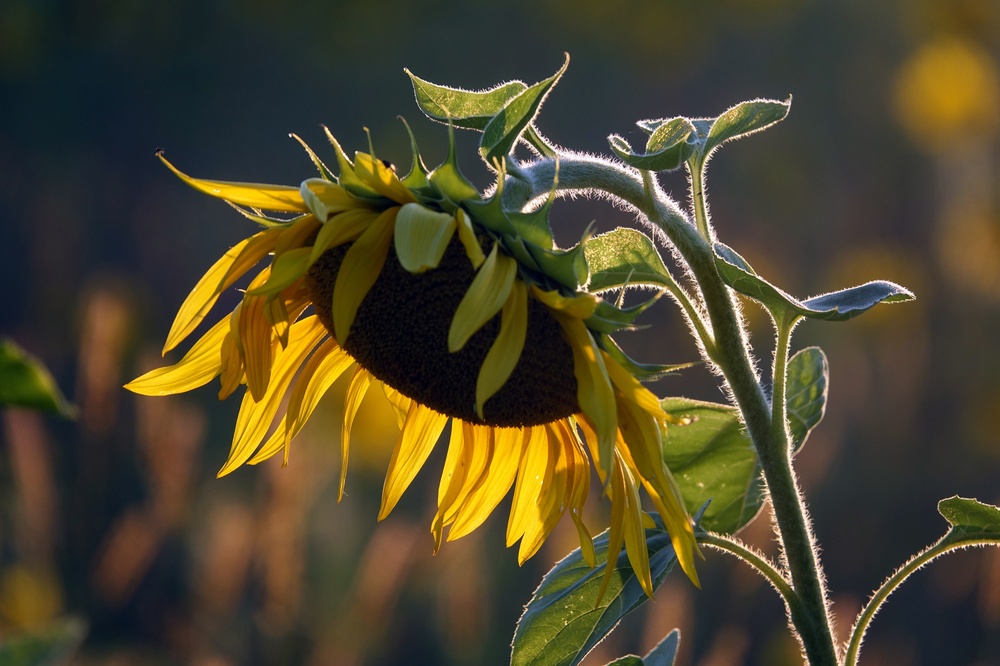
A garden does not stop being useful just because one crop approaches the finish line. Mature plants such as corn, tomatoes, sunflowers, and trellised vines can create valuable shade that helps younger plants handle intense summer conditions before those older crops leave the garden.
That leafy canopy above the soil acts like a tiny backyard climate system. Smart gardeners can use those cooler pockets to protect seedlings, reduce stress on heat-sensitive vegetables, and squeeze more harvests from the same patch of dirt.
1. Let Cool-Season Greens Enjoy the Curtain of Shade
Mature crops can create perfect afternoon shade for lettuce, spinach, cilantro, and other greens that dislike scorching temperatures. Planting these crops near taller vegetables gives delicate leaves a break from harsh sunlight during the hottest part of the day. A row of corn can work like a living fence, creating cooler spots where quick-growing greens can settle in. Gardeners should still provide enough morning sunlight because most greens need light for healthy growth. This simple trick turns unused space beneath taller plants into productive garden real estate.
The timing matters because young greens need moisture and consistent care while they establish roots. A shady location also helps the soil hold moisture longer, which reduces the need for constant watering during hot spells. Gardeners should avoid placing greens in deep, permanent shade because plants still need energy from sunlight. A little protection works wonders, but a dark corner can leave vegetables disappointed and sluggish. Think of mature crops as umbrellas, not blackout curtains.
2. Give New Seedlings a Gentle Start
Tall, established plants can shelter new seedlings that struggle with sudden heat exposure. Young cucumber, squash, bean, and herb plants often appreciate a few hours of filtered sunlight while they build stronger root systems. Gardeners can tuck seedlings near mature crops instead of leaving them exposed in wide-open garden beds. This approach creates a smoother transition from indoor growing spaces or nursery containers into the outdoor garden. The older plants become helpful neighbors rather than garden bullies.
Seedlings still need careful attention because nearby large plants compete for water and nutrients. Adding compost and checking soil moisture regularly helps young plants avoid unnecessary competition. Gardeners should leave enough room between crops so air can move freely and reduce disease risks. A crowded garden may look lush, but cramped plants often invite problems. The goal involves borrowing shade without creating a vegetable traffic jam.
3. Protect Soil With Natural Shade Covers
Mature crops reduce direct sunlight that hits the soil surface, which helps prevent rapid moisture loss. Tomato plants with broad foliage, sprawling squash vines, and tall bean trellises can create living mulch above the ground. Cooler soil temperatures help beneficial organisms stay active and support healthier garden conditions. Gardeners can pair this natural shade with mulch for even better moisture control. The result feels like giving the soil its own summer hat.
Bare soil often heats quickly and dries faster during long stretches of warm weather. Keeping soil covered also helps reduce erosion during heavy rain because plant roots and organic materials hold the ground together. Gardeners should still inspect shaded areas because damp conditions can encourage fungal issues if plants become overcrowded. Removing damaged leaves and improving airflow keeps the garden balanced. A little shade helps, but a jungle without breathing room causes headaches.
4. Create Temporary Homes for Heat-Sensitive Plants
Some vegetables struggle when summer temperatures climb, and mature crops can provide a short-term refuge. Crops such as celery, parsley, and certain herbs appreciate protection from intense afternoon rays. Gardeners can place containers near taller plants to take advantage of this natural cooling effect. This method works especially well when a garden lacks permanent shade structures. A few strategic placements can transform a blazing patio or sunny corner into a friendlier growing area.
Gardeners should watch how shadows move throughout the day before choosing planting spots. Morning shade and afternoon shade create different growing conditions, so observation matters. A tall crop that shades a plant today may disappear after harvest, leaving the younger plant exposed. Planning ahead prevents surprises when the garden changes shape. Good gardeners think like architects, but they use leaves instead of bricks.
5. Plan Succession Planting Around Harvest Time
Mature crops provide shade while also giving gardeners clues about the next planting opportunity. As early vegetables approach harvest, gardeners can introduce new crops that benefit from the remaining canopy. This strategy keeps garden beds productive instead of leaving empty spaces after harvest. For example, late summer seedlings can settle beneath tall corn before the stalks leave the garden. The garden keeps working instead of taking a vacation.
Successful succession planting requires attention to timing, sunlight, and the growth habits of each crop. Gardeners should know when large plants usually finish producing so new crops receive enough light later. Removing older plants at the right moment opens space without disrupting younger neighbors. This approach creates a continuous rhythm throughout the growing season. A garden with a plan often feels less like a collection of plants and more like a carefully arranged performance.
Turn Tall Crops Into Garden Helpers Before Harvest Day
Mature crops offer more than vegetables, fruits, and flowers because they also shape the environment around them. Their shade can protect young plants, conserve soil moisture, and create opportunities for additional harvests. Gardeners who pay attention to changing shadows can discover valuable growing spaces hiding in plain sight.
The best gardens often rely on teamwork between plants instead of treating every crop as a separate project. Tall plants provide shelter, smaller plants take advantage of that protection, and the entire garden gains flexibility. Before pulling out an older crop, look around and notice who still enjoys its leafy shade. That temporary canopy may become one of the garden’s most useful tools.
What clever ways have you used mature plants to help younger crops in your garden? Share your favorite shade-saving gardening tricks in the comments!
You May Also Like…
5 Crops That Fit Into Narrow Side-Yard Gardens
7 Crops That Can Be Grown Under Taller Summer Plants
Can Shade-Loving Edibles Lower Your Garden’s Water Needs?
8 Plants That Help Create Natural Backyard Shade
Can a Backyard Garden Really Beat Grocery Inflation? We Ran the Numbers

Brandon Marcus is a staff writer for FrugalGardening.com at District Media, Inc., where he delivers practical gardening advice with a relatable, no-nonsense style. An avid amateur gardener, he holds a BA degree and with over ten years of professional writing experience, he is also an award-winning published author whose first book, Questions For Deep Thinkers, was released by Adams Media. His work has appeared in major publications including Fandom.com, CHUD.com, TheColdWire.com, and Fansided.com.
Leave a Reply