Gardening doesn’t have to drain your wallet or leave you exhausted by midsummer. In fact, with a few clever tweaks to your garden layout, you can save money, reduce waste, and boost your harvest—all while keeping your garden looking vibrant and lively. From the shape of your beds to how you water and plant, every detail offers an opportunity to maximize efficiency and minimize expense. Think of it as a fun puzzle: rearranging, reshaping, and reimagining your outdoor space in ways that make sense for your budget and your lifestyle.
This isn’t about going cheap; it’s about smart design and strategic choices that pay off all season long. Ready to transform your garden into a cost-cutting powerhouse?
1. Optimize Bed Shapes For Maximum Efficiency
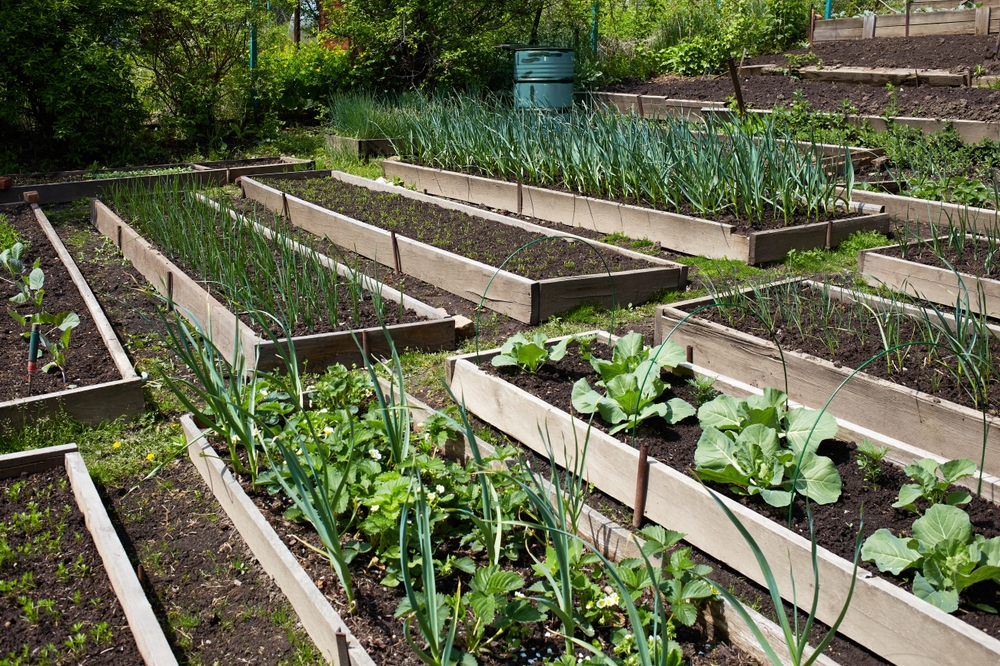
Straight rows are classic, but they aren’t always the most space-efficient. Curved or zigzag beds can actually increase your planting area without expanding your garden footprint. By reducing wasted corners and odd spaces, you fit more plants into the same plot, meaning fewer trips to the store and less money spent on extra soil and seeds. Raised beds, in particular, offer excellent efficiency by concentrating nutrients and water where plants need them most, reducing waste.
Narrower paths between beds cut down on the area you need to maintain while still giving you easy access. Plus, fun-shaped beds add visual interest, making your garden feel bigger and more dynamic.
2. Group Plants By Watering Needs
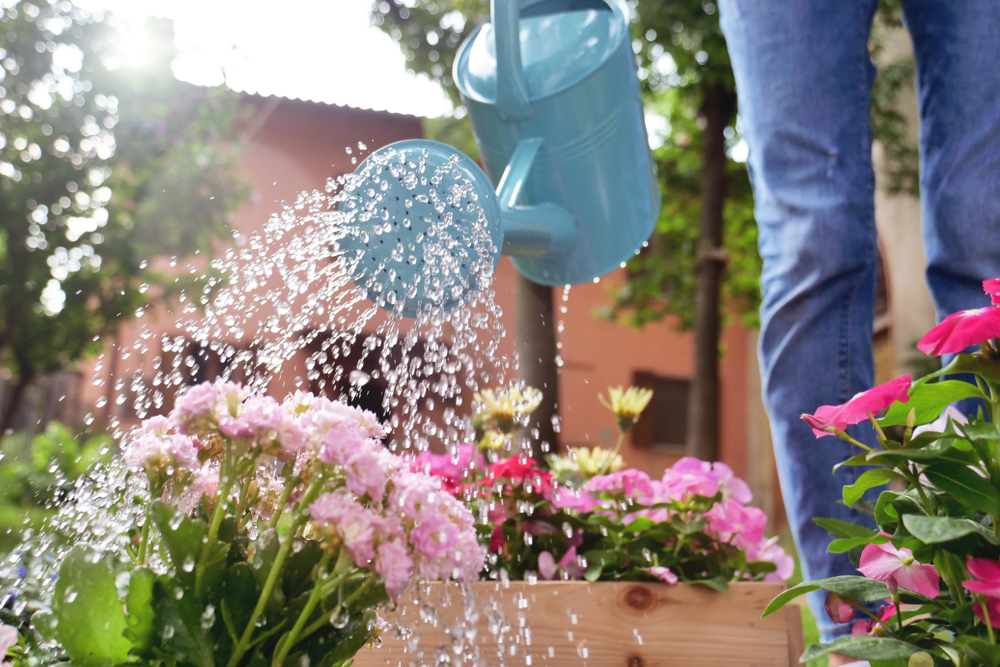
Water isn’t free, and overwatering certain plants can waste both water and money. By grouping thirsty plants together and drought-tolerant varieties separately, you streamline your irrigation. Drip irrigation or soaker hoses become far more efficient when they target plants with similar needs, cutting down on water bills. Mulching around these groups locks in moisture, which reduces watering frequency even more. This layout strategy also helps prevent diseases caused by overwatering or runoff. You’ll be surprised at how much your water savings add up over the season. It’s like giving every plant exactly the drink it loves, without paying for excess.
3. Rotate Crops To Reduce Fertilizer Costs
Planting the same crops in the same spot year after year can deplete soil nutrients, forcing you to spend more on fertilizers. Instead, rotating crops keeps soil balanced naturally and reduces pest buildup. Legumes, for example, replenish nitrogen, benefiting leafy greens planted afterward. This rotation saves money on commercial fertilizers and promotes healthier plants that yield more. Planning your rotation might seem tricky at first, but a simple diagram or notebook can keep you organized. In the long run, your soil will thank you—and so will your wallet.
4. Use Companion Planting For Natural Pest Control
Pesticides are expensive, and relying on them all season can add up fast. Companion planting—pairing plants that repel pests or attract beneficial insects—offers a natural, cost-effective solution. Marigolds alongside tomatoes, for instance, deter nematodes, while herbs like basil can keep aphids away. This method reduces the need for chemical interventions and encourages a healthier ecosystem in your garden.
Companion planting can also improve yields, as some plant pairings boost growth and flavor. Strategic placement based on natural defenses turns your garden into a self-protecting powerhouse, saving both money and effort.
5. Maximize Vertical Space
Not all savings come from the ground up. Utilizing vertical space through trellises, cages, or hanging planters increases planting capacity without expanding your footprint. Tomatoes, cucumbers, beans, and even certain flowers thrive when trained upward, freeing soil space for other crops. Vertical gardening also improves air circulation, which reduces disease and lowers maintenance costs. Materials for vertical structures can often be repurposed, like old pallets or stakes, cutting initial expenses. Even small gardens benefit from thinking vertically, making every inch of space productive. By the end of the season, you’ll wonder why you ever planted flat.
6. Design Paths That Double As Mulch Holders
Pathways are necessary, but they can also be costly to maintain if they require constant weed control or replenishing. Designing paths that double as mulch-holding areas kills two birds with one stone. Gravel, wood chips, or straw can serve as both path covering and soil moisture retainers for adjacent beds. Wider paths can also collect rain runoff, reducing irrigation needs. Creative path layouts reduce wasted space while improving accessibility. With the right materials, you’ll spend less on upkeep and more on enjoying your garden. Paths become functional, money-saving features rather than a drain on your budget.
7. Cluster Perennials For Long-Term Savings
Annual plants give instant gratification but require replanting each season. Perennials, on the other hand, come back year after year, cutting down on seed and plant costs. By clustering perennials together in designated zones, you reduce maintenance and improve soil stability. Over time, the upfront investment pays off with repeated harvests or blooms. Grouped perennials also benefit each other by creating microclimates, conserving water, and reducing weeding efforts. Think of these clusters as your garden’s financial safety net: one-time planting with rewards that multiply every season.
8. Create Multi-Functional Zones
Why limit an area to a single purpose when you can get double duty from your garden layout? Combining zones—for instance, a salad bed that doubles as a pollinator haven—reduces the total space you need while increasing productivity. Seating areas, compost zones, or pathways can integrate plants that attract beneficial insects or provide edibles.
Multi-functional zones cut down on extra installations, soil amendments, and water usage. They also make your garden more enjoyable, providing both beauty and utility. Strategic zoning ensures every square foot works harder, translating to noticeable cost savings across the season.
Transform Your Garden Without Breaking The Bank
Small, thoughtful changes to your garden layout can yield big savings. By optimizing bed shapes, grouping plants intelligently, rotating crops, and embracing vertical and multi-functional spaces, you stretch every dollar and resource further. Companion planting and perennial clusters reduce recurring costs, while clever paths and irrigation strategies save time and water. Every adjustment adds up, creating a garden that is not only beautiful but also budget-friendly.
If you’ve tried any of these strategies or have your own cost-saving garden hacks, we’d love to hear your experiences in the comments below. Your insights might inspire the next gardener to rethink their layout and reap the benefits.
You May Also Like…
7 Garden Layout Ideas That Fix Common Mistakes Instantly
7 Garden Layout Changes to Make During the Off-Season
10 Flowers That Come Back Every Year Without Extra Spending
Why Early Garden Planning Reduces Water Bills Later
8 Winter Garden Paving & Path Ideas for Snowy Landscapes

Brandon Marcus is a staff writer for FrugalGardening.com at District Media, Inc., where he delivers practical gardening advice with a relatable, no-nonsense style. An avid amateur gardener, he holds a BA degree and with over ten years of professional writing experience, he is also an award-winning published author whose first book, Questions For Deep Thinkers, was released by Adams Media. His work has appeared in major publications including Fandom.com, CHUD.com, TheColdWire.com, and Fansided.com.
Leave a Reply