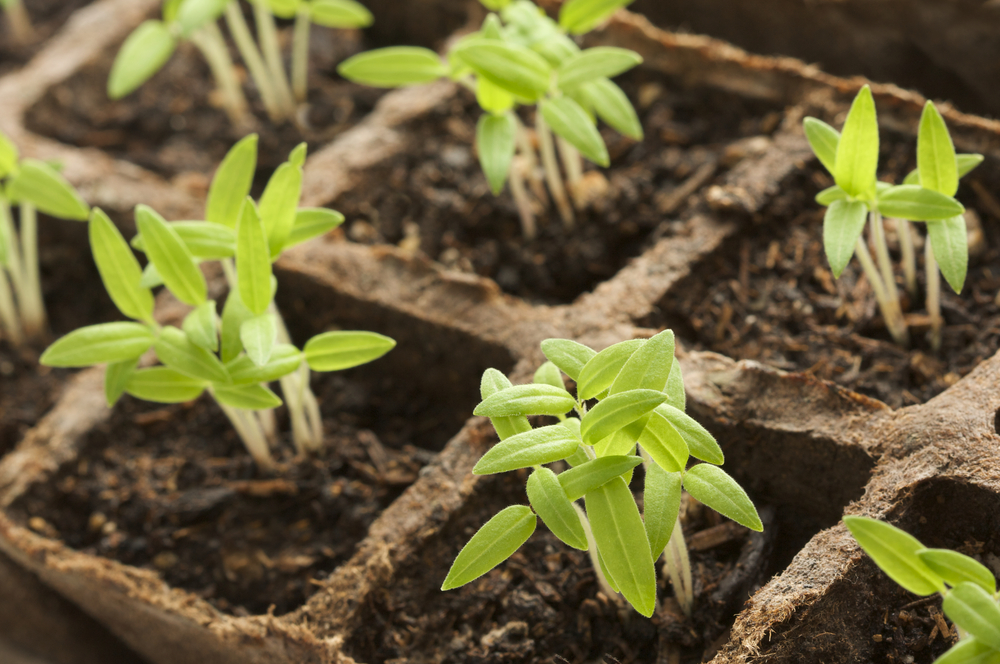
Seed starting feels like pure optimism in physical form. Tiny packets promise tomatoes the size of softballs, basil that smells like summer, and flowers that stop neighbors mid-walk. Many gardeners jump in buzzing with excitement, only to watch trays of soil sit there like they missed the memo.
These failures do not usually come from bad luck or cursed thumbs. They come from small, sneaky mistakes that rack up costs in wasted seeds, supplies, and sanity. Let’s dig into the big ones so your next batch of seedlings grows into brag-worthy success.
1. Skipping The Seed Packet Details
Seed packets do not exist to look pretty in a drawer. They carry critical instructions that guide timing, depth, spacing, and temperature needs. Many gardeners assume all seeds want the same treatment and toss them into soil with hopeful confidence. But, lettuce prefers cool conditions while peppers crave heat, and ignoring that difference leads to empty cells and frustration.
Plus, depth matters just as much because planting too deep suffocates small seeds before they ever see light. When gardeners ignore packet details, they often reseed trays, waste soil, and lose weeks of growing time that never comes back.
2. Using The Wrong Soil Mix
Garden soil feels like a logical choice until seedlings struggle or collapse. Seed-starting requires a light, sterile mix that drains well and allows delicate roots to breathe. Heavy soil compacts easily, holds too much water, and invites disease that wipes out baby plants overnight.
Many gardeners try to save money by scooping dirt from outside, only to lose far more in failed starts. Choosing the right soil for your seeds leads to strong root development and even moisture throughout the tray. That small upfront investment prevents replanting costs and the disappointment of watching seedlings melt away.
3. Overwatering Like A Nervous Parent
Watering feels helpful, so gardeners often do it too much. Seeds need moisture, but they also need oxygen, and soggy soil blocks air flow to developing roots. Overwatering creates ideal conditions for damping-off disease, which topples seedlings at the soil line with ruthless efficiency.
Smart watering means damp soil, not swampy trays, and patience between waterings. Learning this balance saves seeds, time, and the cost of replacing trays full of failed starts.
4. Starting Seeds Too Early
The calendar tempts gardeners into early action, especially during long winters. Starting seeds weeks ahead of schedule creates tall, leggy plants that stretch desperately for light. These seedlings outgrow their containers, tangle roots, and suffer transplant shock later.
Gardeners often spend extra money on larger pots, more soil, and stronger lights to compensate. Following proper timing produces compact, sturdy plants ready to thrive outdoors. Waiting just a little longer often saves money and delivers healthier plants with far less effort.
5. Ignoring Light Requirements
Windowsills look bright to humans, but seedlings disagree. Most seedlings need intense, consistent light to grow strong stems and balanced leaves. Without enough light, they lean, flop, and weaken until they cannot support themselves.
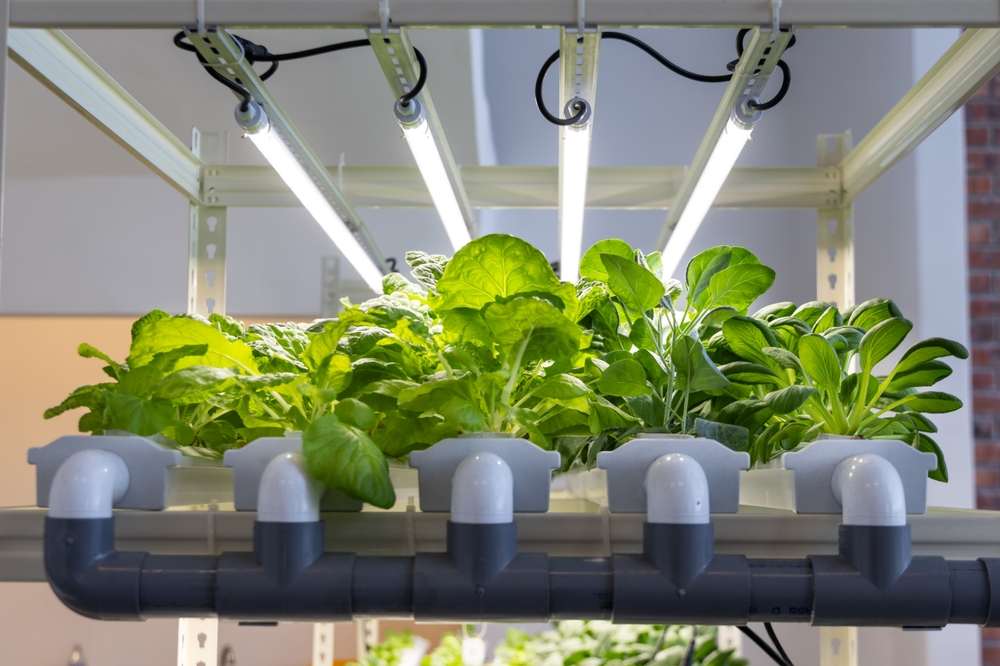
A simple grow light placed close to the seedlings solves the problem quickly and efficiently. Proper lighting reduces wasted seeds and prevents the endless cycle of replanting and disappointment.
6. Crowding Seedlings Too Closely
It feels economical to pack seeds tightly into trays, but that choice backfires fast. Crowded seedlings compete for light, nutrients, and airflow, which stresses every plant involved. Disease spreads easily when leaves touch and humidity stays trapped between stems.
Gardeners often thin seedlings too late or avoid it altogether because it feels wasteful. Strategic spacing from the start encourages strong growth and reduces losses later. Giving seedlings room saves money by producing more viable plants from fewer seeds.
7. Skipping Hardening Off
Indoor seedlings live pampered lives with steady temperatures and gentle conditions. Tossing them straight into the garden shocks them badly. Sun, wind, and temperature swings scorch leaves and stunt growth almost immediately. Gardeners then replace plants they already invested time and money into raising.
Hardening off isn’t difficult, and it gradually introduces outdoor conditions and builds resilience in young plants. This simple transition step protects your investment and keeps seedlings growing strong instead of struggling to survive.
Turn Costly Mistakes Into Garden Wisdom
Seed-starting success rarely comes from fancy gear or secret tricks. It grows from understanding small details and respecting what young plants actually need. Every mistake listed here costs more than it should because it compounds into wasted time, wasted supplies, and lost growing opportunities. When gardeners slow down, read instructions, and adjust habits, seed-starting becomes deeply satisfying instead of discouraging.
If you have battled any of these mistakes or learned lessons the hard way, your experience could help someone else grow better plants. Share your thoughts or stories in the comments and keep the gardening conversation growing.
You May Also Like…
12 Seeds You Should Start Early If You Want Big Spring Harvests
7 “Too Late” Winter Garden Mistakes and How to Undo Them
7 Mistakes That Make Indoor Herbs Weak and Leggy
How Late-Season Seeds Can Give You a Head Start for Spring
11 Seeds to Store in Paper Bags This Fall

Brandon Marcus is a staff writer for FrugalGardening.com at District Media, Inc., where he delivers practical gardening advice with a relatable, no-nonsense style. An avid amateur gardener, he holds a BA degree and with over ten years of professional writing experience, he is also an award-winning published author whose first book, Questions For Deep Thinkers, was released by Adams Media. His work has appeared in major publications including Fandom.com, CHUD.com, TheColdWire.com, and Fansided.com.
Leave a Reply