Gardening does not require perfection, fancy tools, or a magical green thumb. Some vegetables forgive neglect, bounce back from rough handling, and still produce food even when conditions are far from ideal. These crops give quick wins, build confidence, and turn hesitant beginners into capable growers.
A small patch of soil, a few containers, or even a sunny balcony can support a surprising amount of food production. The following vegetables offer the easiest possible entry into gardening success, even for people who feel certain they will mess it up.
1. Radishes That Grow Before Doubt Kicks In
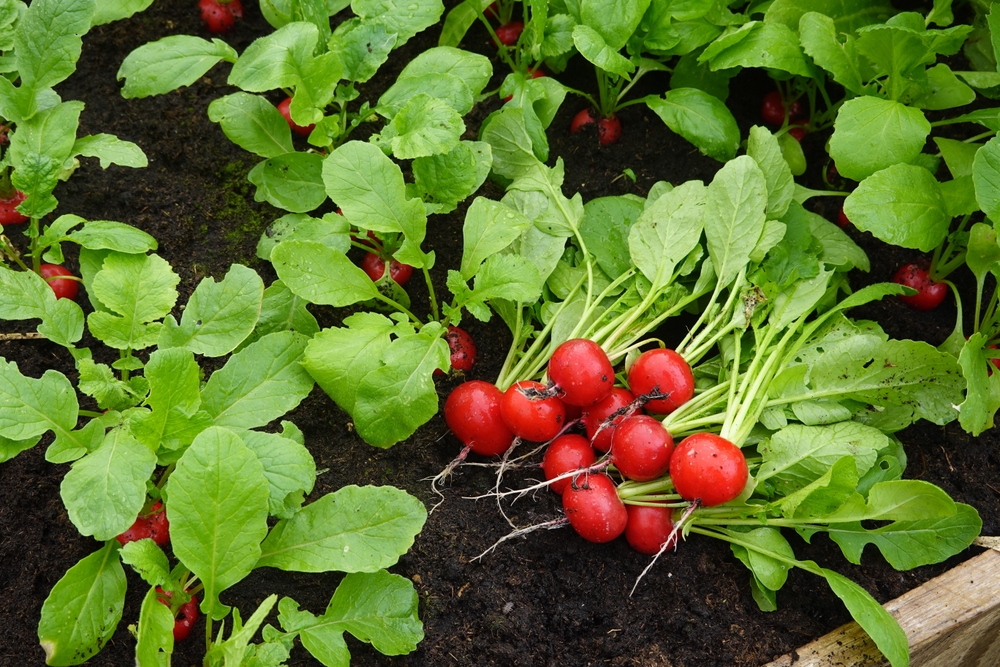
Radishes rank among the fastest vegetables anyone can grow, often ready in under a month. They germinate quickly, even in cool soil, and push upward with minimal encouragement. Their speed gives instant feedback, which helps beginners stay motivated. Plant them directly in loose soil and keep the area lightly watered. Expect crisp roots before frustration has time to build.
Radishes also tolerate crowded conditions better than most root vegetables. They do not demand deep soil preparation or constant attention. Harvesting them early keeps flavor mild and texture crisp. Even if a gardener forgets them for a few days, they still produce something edible.
2. Lettuce That Forgives Beginner Mistakes
Lettuce grows fast and adapts to containers, garden beds, or small corners of sunlight. Seeds sprout quickly and reward consistent watering with tender leaves. It tolerates cooler temperatures, making it ideal for early spring planting. Frequent harvesting encourages more leaf production, which stretches the harvest window.
Loose-leaf varieties offer the easiest experience because they allow repeated picking. A gardener can snip leaves without killing the plant. Even uneven watering rarely destroys a crop entirely. Lettuce keeps producing as long as the roots stay cool and slightly moist.
3. Green Beans That Climb Without Complaints
Green beans grow aggressively once soil warms up. They climb trellises, fences, or sticks without requiring complicated setup. Seeds germinate reliably and send up sturdy vines within days. These plants handle beginner errors better than most summer crops.
Bush beans remove even more difficulty because they do not require support structures. Harvesting regularly encourages more pods to form. They tolerate imperfect soil and still produce generously. Green beans reward effort with steady, reliable harvests throughout the season.
4. Zucchini That Refuses to Stay Small
Zucchini grows fast, large, and often in surprising abundance. A single plant can feed an entire household during peak season. Seeds sprout easily in warm soil and quickly develop broad leaves. Consistent watering keeps production strong.
This vegetable tolerates beginner mistakes like uneven spacing or imperfect fertilizing. Harvesting young fruit improves flavor and encourages more growth. Zucchini plants tend to recover quickly even after stress. A small garden patch can turn into a zucchini factory almost overnight.
5. Spinach That Handles Cold and Chaos
Spinach grows well in cool weather and does not demand perfect conditions. Seeds sprout quickly and produce nutrient-rich leaves within weeks. It tolerates partial shade, which makes it flexible for small spaces. Regular harvesting keeps plants productive longer.
Spinach performs well in both garden beds and containers. It resists minor temperature swings that would harm other leafy greens. Even beginner watering schedules rarely stop its growth. This plant rewards consistency more than perfection.
6. Carrots That Grow Quietly Underground
Carrots grow slowly but steadily, requiring little attention above the soil. Once seeds sprout, they develop deep roots with minimal intervention. Loose soil helps them form straight, sweet roots. They tolerate a wide range of conditions if not overcrowded.
Thinning seedlings early improves size and quality. Even imperfect gardeners can harvest usable carrots. Their hidden growth reduces the temptation to overmanage them. Patience becomes the main skill required.
7. Cucumbers That Spread with Enthusiasm
Cucumbers grow quickly in warm weather and respond well to sunlight. Vines spread across garden beds or climb supports with little encouragement. Seeds germinate easily and produce vigorous growth. Consistent watering helps maintain steady fruit production.
These plants benefit from trellises that save space and improve airflow. Harvesting frequently keeps fruit tender and prevents bitterness. Even neglected plants often still produce something edible. Cucumbers reward effort with abundance.
8. Cherry Tomatoes That Refuse to Quit
Cherry tomatoes grow reliably in containers or garden beds. They produce clusters of sweet fruit throughout the summer. Once established, plants continue producing with minimal fuss. Sunlight and occasional watering keep them productive.
Pruning lower leaves improves airflow and reduces disease risk. Support stakes or cages help prevent sprawling. Even inconsistent gardeners often end up with more tomatoes than expected. These plants deliver steady results with minimal complexity.
9. Peas That Enjoy Cool Beginnings
Peas grow best in cooler weather and sprout quickly in early spring. They climb small supports and produce sweet pods within weeks. Seeds germinate reliably in damp soil. Light care keeps them productive.
Harvesting regularly encourages more pod formation. Peas tolerate light frost better than many vegetables. They also improve soil quality by fixing nitrogen. This makes them helpful companions in any garden.
10. Kale That Keeps Producing Through Neglect
Kale grows strongly in both cool and warm conditions. Leaves continue forming even after repeated harvesting. It tolerates poor soil better than many leafy greens. Consistent picking encourages fresh growth.
This vegetable handles pests and weather changes with surprising resilience. Even beginners manage to produce large harvests. Kale remains productive long after other greens fade. Its durability makes it a dependable garden anchor.
The Secret Behind Easy Garden Wins
These vegetables succeed because they forgive mistakes and reward small efforts. They do not require perfect soil, expert timing, or constant attention. Beginners gain confidence by watching real food grow from simple actions. Small successes build momentum for bigger gardening goals. A starter garden filled with these crops often turns hesitation into enthusiasm.
What vegetable would you try first in a beginner-friendly garden, and what has stopped past attempts from working out?
You May Also Like…
The Vegetable Gardening Trick That Works Surprisingly Well During Droughts
9 Flowers That Secretly Help Your Vegetable Garden Grow Better
Why So Many Gardeners Are Ditching Traditional Lawns in 2026
The Growth Mistake Most Gardeners Overlook
10 Vegetables That Produce the Most Food for the Least Money

Brandon Marcus is a staff writer for FrugalGardening.com at District Media, Inc., where he delivers practical gardening advice with a relatable, no-nonsense style. An avid amateur gardener, he holds a BA degree and with over ten years of professional writing experience, he is also an award-winning published author whose first book, Questions For Deep Thinkers, was released by Adams Media. His work has appeared in major publications including Fandom.com, CHUD.com, TheColdWire.com, and Fansided.com.
Leave a Reply