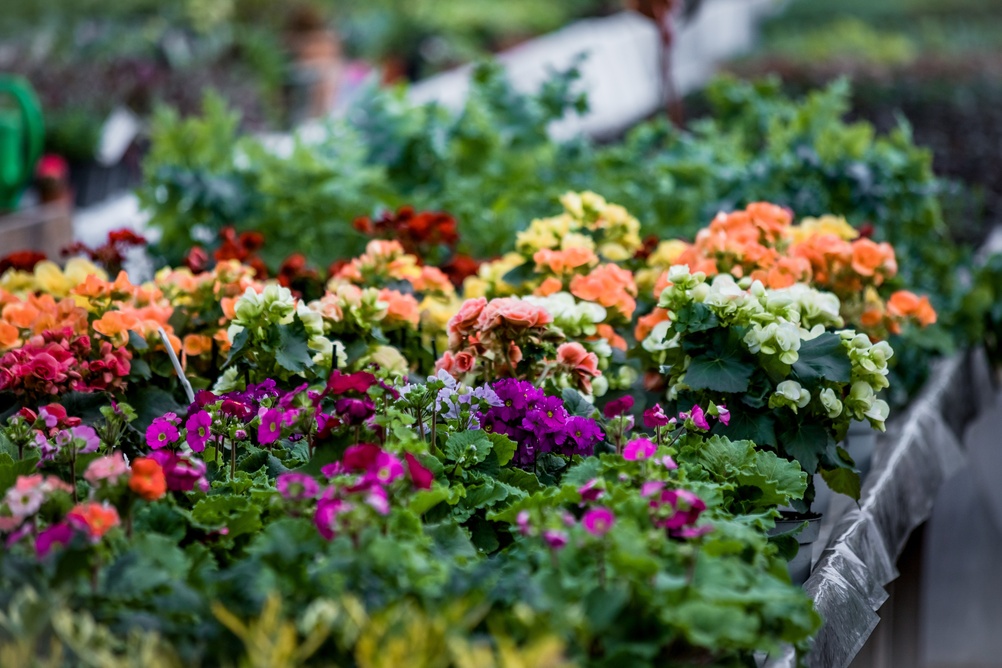
A beautiful garden can do more than frame a front door, attract pollinators, or produce a heroic pile of tomatoes. Increasingly, gardeners are designing fire-safe planting zones around homes, creating intentional spaces that reduce the amount of combustible vegetation and debris sitting close to structures. The goal is not to turn a yard into a moonscape of gravel and concrete, but to make smarter choices about what grows where.
That distinction matters because wildfire does not politely stay at the edge of the property. Wind can carry embers ahead of a fire, where they can land on dry leaves, mulch, decks, shrubs, roofs, and other combustible materials. A carefully planned landscape can reduce some of those opportunities, especially when gardeners combine thoughtful plant placement with regular pruning, watering, cleanup, and defensible-space practices.
The First Zone Starts Right at the House
The most important place to rethink the garden sits surprisingly close to the house. CAL FIRE’s current guidance identifies Zone 0 as the area within 5 feet of a structure, deck, or similar feature, and recommends treating this space as an ember-resistant zone. That means combustible mulch, dead vegetation, firewood, and other easily ignited materials deserve a much closer look here. Gravel, pavers, concrete, and other noncombustible surfaces can create a useful buffer instead.
This does not mean every plant within five feet automatically becomes a villain in a tiny green hat. It means gardeners should avoid creating dense vegetation that touches siding, windows, decks, vents, or other vulnerable parts of a home. Keeping gutters, roof areas, stairs, and the spaces around structures free of leaves, needles, twigs, and other plant debris also matters because embers can exploit those little pockets of fuel.
Plant Selection Matters, But Placement Matters More
Garden centers sometimes market certain plants as fire-resistant, but that label deserves a healthy dose of skepticism. CAL FIRE notes that every plant can burn under the right conditions, and the plant’s environment, condition, spacing, and maintenance can influence its flammability. A lush, well-watered plant with little dead material around it presents a different situation from the same species growing dry, woody, and surrounded by accumulated debris.
Gardeners therefore should look beyond a plant tag when planning a fire-smart landscape. Plants with moisture-rich foliage and less resin, wax, or oil can make sensible choices, while plants that produce substantial dead material, shed bark, or develop dense growth may require more careful placement and maintenance. A useful strategy involves grouping plants into separated islands rather than creating one continuous wall of shrubs, because breaks in vegetation can interrupt the path that fire might otherwise follow.
Give Trees and Shrubs Some Elbow Room
Spacing becomes especially important farther from the house, where the goal shifts from eliminating vegetation to reducing the continuity of fuels. In the area commonly called Zone 1, which extends roughly 5 to 30 feet from structures, guidance recommends keeping vegetation sparse, removing dead material, and creating separation between plants and combustible objects. Gardeners should also pay attention to “ladder fuels,” such as low shrubs or branches that could help fire move upward from the ground into a tree canopy.
Trees deserve particular attention because a crowded landscape can create a chain reaction that no homeowner wants to watch unfold. Pruning lower branches, separating tree canopies where appropriate, and keeping shrubs from forming a continuous bridge beneath trees can make the landscape less connected from a fire’s perspective. Spacing requirements vary with plant height and terrain, and steeper slopes generally require greater separation, so copying a neighbor’s spacing plan without considering the property itself can miss an important piece of the puzzle.
A Fire-Safe Garden Still Gets to Be a Garden
Fire-conscious landscaping does not require abandoning flowers, shrubs, shade trees, or the general joy of making a yard look like somebody actually lives there. The farther a garden sits from the home, the more room gardeners generally have to use vegetation while managing spacing, dead material, vertical growth, and fuel continuity. In the outer portion of defensible space, often extending from about 30 to 100 feet, the focus shifts toward reducing fuel and slowing the movement of fire rather than removing every plant.
Maintenance may sound less glamorous than buying a new plant, but it does much of the heavy lifting. Removing dead leaves, needles, branches, and weeds, keeping grass managed, pruning appropriately, and watering plants when conditions require it can reduce combustible material and help keep the landscape in better condition. A garden that looks tidy for the first week after planting but accumulates dry debris for the next six months has missed the point, because fire-smart landscaping works best as an ongoing gardening habit rather than a one-afternoon makeover.
The Smartest Fire-Safe Garden Is Designed in Layers
The real appeal of fire-safe planting zones comes from the way they change the gardener’s thinking. Instead of asking only whether a plant looks good in a particular spot, the gardener also considers how close it sits to the house, how much dead material it produces, how large it will become, how easily it can stay hydrated, and whether it connects with other vegetation. That extra bit of planning can transform a landscape from one continuous mass of greenery into a series of deliberate spaces with hardscape, separated plantings, and managed vegetation.
There is one important reality check: landscaping cannot guarantee that a home will survive a wildfire. Home hardening, roof and gutter maintenance, ember-resistant features, evacuation planning, and local wildfire guidance all belong in the larger safety picture. Still, creating a fire-conscious landscape gives gardeners a practical place to start, and the result can remain attractive, useful, and unmistakably garden-like. Before making major changes, check local fire regulations and recommendations because defensible-space requirements can vary by location and terrain.
What changes would you make first if you were creating a fire-safe planting zone around your home? Let’s hear your advice in the comments below.
You May Also Like…
What Causes Hollow Spots Inside Otherwise Healthy Potatoes?
5 Pest Control Mistakes That Backfire Quickly
What Is the Safest Way to Handle Slugs Without Harsh Chemicals?
Extreme Heat Is Changing Work and Outdoor Routines, Gardeners Need a Safer Schedule Too
7 Heat-Safe Garden Chores Worth Doing Before Breakfast

Brandon Marcus is a staff writer for FrugalGardening.com at District Media, Inc., where he delivers practical gardening advice with a relatable, no-nonsense style. An avid amateur gardener, he holds a BA degree and with over ten years of professional writing experience, he is also an award-winning published author whose first book, Questions For Deep Thinkers, was released by Adams Media. His work has appeared in major publications including Fandom.com, CHUD.com, TheColdWire.com, and Fansided.com.
Leave a Reply