
Winter can strike with sudden fury, leaving your garden looking more like a frozen wasteland than a blooming paradise. Branches shiver under icy coatings, soil hardens into rock-like clumps, and tender plants seem lost forever. But before you mourn your greenery, know this: gardens are surprisingly resilient.
With the right techniques, patience, and a dash of gardening know-how, even the most frostbitten garden can bounce back. Let’s talk about the thrilling journey of reviving your winter-worn outdoor haven.
Understanding Plant Damage From Freezing Temperatures
Freezes don’t treat all plants equally. Hardy perennials might survive with only minor cosmetic damage, while delicate annuals can wilt and die almost instantly. Ice crystals that form inside plant cells can rupture cell walls, causing the plant to appear blackened, mushy, or lifeless. Even roots aren’t safe; repeated deep freezes can harm underground systems and stunt spring growth. Recognizing which plants are likely to recover is the first step toward strategic garden restoration.
Assessing Your Garden Early And Carefully
Timing is crucial after a freeze. As soon as the ice thaws, walk through your garden and inspect each plant closely. Look for brown or blackened leaves, brittle stems, and sunken bark, but resist the urge to prune immediately. Some plants can surprise you, sprouting new growth from seemingly dead branches. Patience and careful observation often reveal that your garden isn’t as lost as it appears.
Pruning Dead Material Without Harming New Growth
Trimming damaged plant material helps redirect energy to recovery. Use clean, sharp pruning shears and remove only sections that are clearly dead or rotten. Avoid cutting into branches that show signs of life, such as green under the bark or flexible stems. Deadheading frost-killed flowers can also prevent disease from spreading in wet spring conditions. Correct pruning not only improves aesthetics but also strengthens plants for vigorous new growth.
Supporting Soil Health After Extreme Cold
Frozen soil can be compacted and depleted of nutrients, challenging plant recovery. Lightly aerate the ground to relieve compaction and incorporate organic matter like compost or mulch. This helps improve drainage, boosts microbial activity, and replenishes essential nutrients for spring growth. Avoid heavy tilling, which can disrupt delicate root systems weakened by frost. Healthy soil is the silent hero in reviving a winter-battered garden.
Watering And Feeding Strategies For Frost-Stressed Plants
Post-freeze hydration is critical, but overwatering is a common mistake. Roots may be vulnerable, so give deep, infrequent waterings rather than constant shallow moisture. Fertilize with a balanced, slow-release formula to encourage steady, healthy growth. Avoid high-nitrogen feeds early on, which can force tender new shoots that may be damaged by late cold snaps. Thoughtful water and nutrient management can dramatically improve recovery rates.
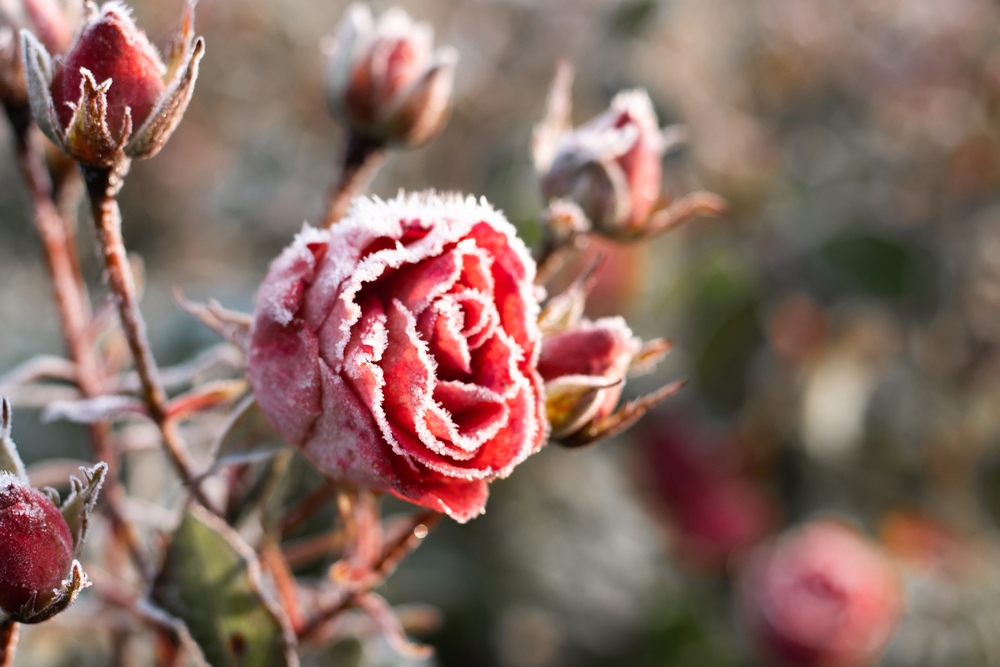
Using Protective Measures To Prevent Future Damage
Prevention is often easier than recovery. Frost blankets, cloches, or even simple row covers can shield delicate plants during unexpected freezes. Planting frost-tolerant varieties or strategically locating tender species in microclimates within your garden can reduce risk. Mulching around the base of plants provides insulation and stabilizes soil temperature. Incorporating these strategies helps ensure your garden bounces back faster after every cold snap.
Embracing Patience And Observing Nature’s Timeline
Recovery isn’t instant, and that’s okay. Some perennials may take weeks to show signs of revival, while bulbs might remain dormant longer than expected. Resist the temptation to replace everything immediately; your garden often surprises you with hidden resilience. Keeping a journal of plant responses can help predict future behavior after freezes. Observing and respecting nature’s pace often yields more lush, robust results than rushing interventions.
Encouraging Beneficial Wildlife To Support Garden Recovery
Birds, insects, and other wildlife play an unexpected role in frost recovery. Pollinators help jumpstart flowering cycles, while earthworms and soil microbes enhance nutrient availability in stressed soil. Providing bird feeders and insect habitats can create a balanced ecosystem that supports plant health. Wildlife presence often signals a thriving garden environment despite harsh weather setbacks. Engaging with the natural allies in your garden accelerates the path to a vibrant spring display.
Implementing Long-Term Strategies For Resilient Gardens
Learning from harsh winters helps gardeners prepare for the future. Rotate crops to reduce soil-borne disease, choose diverse plant varieties, and gradually harden off young plants in anticipation of cold weather. Install windbreaks or protective fencing to minimize exposure to harsh elements. Documenting which plants survive freezes best informs future planting decisions. A long-term, proactive approach ensures your garden grows stronger with each challenging season.
Celebrating Small Victories In Post-Freeze Recovery
Even minor signs of new growth are worth celebrating. Tiny green shoots, flexible stems, or budding flowers indicate that life is returning to your winter-worn garden. Take photos to track progress, and acknowledge each milestone, no matter how small. Gardening is a marathon, not a sprint, and every step toward recovery is a win. Celebrating these victories keeps motivation high and transforms setbacks into lessons and triumphs.
Rebuilding Hope And Beauty In Your Garden
A harsh winter freeze may leave your garden battered, but it rarely leaves it broken. With careful assessment, proper pruning, soil management, and patient observation, recovery is not only possible—it can be spectacular. Protecting plants from future damage and encouraging beneficial wildlife further strengthens your garden’s resilience. Remember, every plant has its own timeline, and even frost-bitten greenery can surprise you with a burst of spring vitality.
Let us know your thoughts or stories about bringing gardens back to life in the comments section below.
You May Also Like…
7 Insidious Weeds That Will Take Over Your Garden if You Ignore Them
Why January Is the Most Underrated Month for Garden Planning
How Climate Change Is Quietly Changing Fall Gardening Forever
7 Container Gardens You Can Move Indoors for Winter Success
Will Your Garden Survive the Freeze Without These Protective Measures?

Brandon Marcus is a staff writer for FrugalGardening.com at District Media, Inc., where he delivers practical gardening advice with a relatable, no-nonsense style. An avid amateur gardener, he holds a BA degree and with over ten years of professional writing experience, he is also an award-winning published author whose first book, Questions For Deep Thinkers, was released by Adams Media. His work has appeared in major publications including Fandom.com, CHUD.com, TheColdWire.com, and Fansided.com.
Leave a Reply