Gardens are a playground of color, texture, and life—but some of the most stunning plants can be little tricksters. Groundcovers are often adored for their lush carpets of green, bright blooms, or the way they elegantly spill over edges. Yet beneath that beauty, some of these low-growing wonders harbor a secret: they spread aggressively, take over gardens, and outcompete native plants.
It’s a classic case of “looks can be deceiving,” where charm masks chaos. Let’s dive into ten gorgeous groundcovers that might make your garden look fabulous—but demand caution.
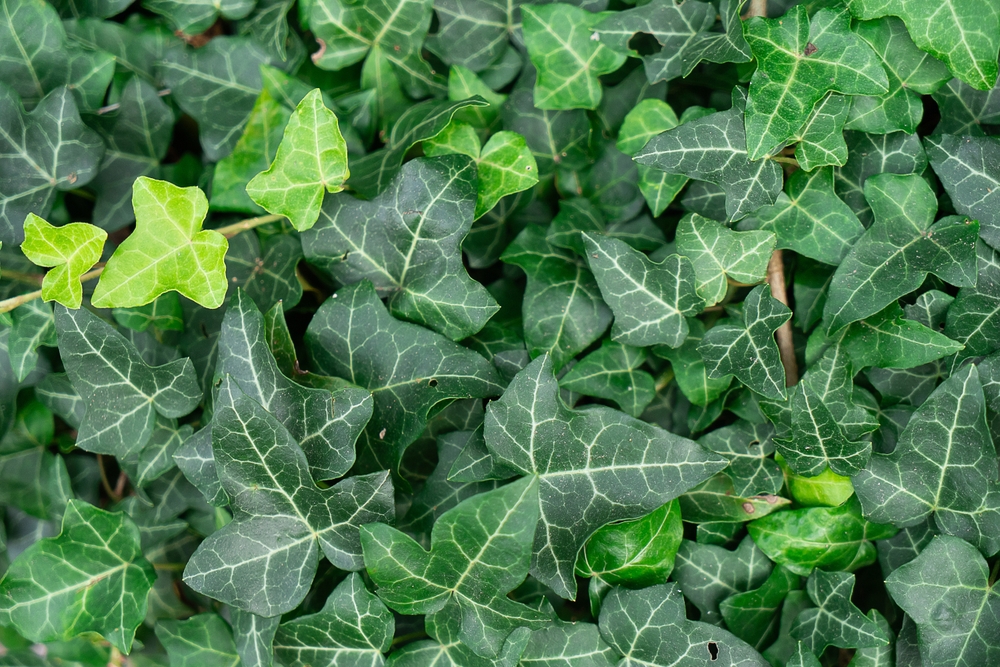
1. English Ivy (Hedera Helix)
English ivy is the ultimate classic, climbing walls and carpeting shaded areas with dark green elegance. Its ability to thrive in poor soil, low light, and harsh conditions makes it a gardener’s favorite—but also a formidable invader. Ivy can creep into trees, walls, and neighboring gardens, often smothering other plants in the process. Birds love its berries, which help it spread far beyond the original planting site. While beautiful, English ivy requires consistent control or it can dominate like a green carpeted tyrant.
2. Ajuga (Bugleweed)
Ajuga is adored for its deep blue flowers and glossy, evergreen leaves. It grows quickly and forms thick mats, making it perfect for suppressing weeds in large patches. The catch? Ajuga spreads with underground runners and can escape garden beds, creeping into lawns and flower borders. Once established, it’s tough to eradicate without digging up significant soil. Its rapid growth may delight the eye, but it demands a careful gardener’s hand to keep it in check.
3. Creeping Jenny (Lysimachia Nummularia)
Creeping Jenny is a bright chartreuse wonder, often planted near ponds or in container gardens for its trailing effect. This cheerful groundcover can tolerate wet or dry soils and sunny or shady spots. Unfortunately, its runners spread like wildfire, producing new plants wherever they touch soil. Gardeners may find it sneaking into flower beds, sidewalks, or even invading neighboring yards. While its color is dazzling, its energy to expand is relentless.
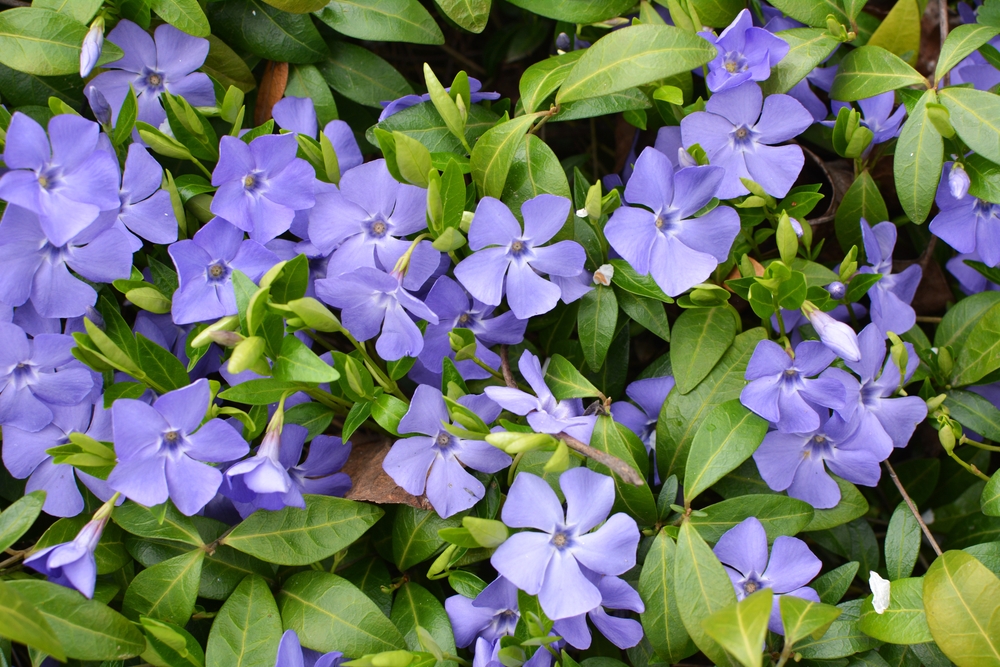
4. Periwinkle (Vinca Minor)
Periwinkle offers glossy green foliage and charming violet blooms, creating a serene, low-maintenance carpet. Its growth habit is deceptively aggressive, sending stems that root wherever they touch. It often escapes the garden and invades forested areas, displacing native plants. Once established in the wild, periwinkle is difficult to remove because its dense mats resist hand-pulling. The plant’s beauty is undeniable, but its invasiveness is just as impressive.
5. Sweet Woodruff (Galium Odoratum)
Sweet woodruff is a fragrant delight, producing delicate white flowers and whorled leaves that carpet shaded areas. It spreads steadily via creeping roots and self-seeding, easily filling spaces beyond intended boundaries. Its subtle charm can lull gardeners into thinking it’s under control until it appears in unexpected corners. While it thrives in shaded, moist gardens, sweet woodruff can become persistent and challenging to contain. Patience and vigilance are key when managing this seemingly innocent beauty.
6. Bugleweed ‘Chocolate Chip’ (Ajuga Reptans)
A twist on classic ajuga, ‘Chocolate Chip’ features deep, purplish leaves and small blooms, providing dramatic color contrast. Like its relatives, it sends out runners that can quickly dominate an area. It tolerates sun, shade, and various soil types, making it easy to establish—but hard to remove once it decides to wander. This variety’s striking foliage makes it highly desirable, but gardeners must keep an eye on its boundaries. Left unchecked, it can leapfrog into flower beds and lawns, creating a creeping spectacle.
7. Lamium (Dead Nettle)
Lamium offers silver-variegated leaves and delicate blooms, brightening shady gardens with its low maintenance charm. It spreads through creeping stems and can root easily, taking over spaces meant for other plants. In moist, shaded areas, lamium thrives and multiplies, making its boundaries difficult to enforce. Its attractive foliage and flowers make it tempting to plant extensively, but even small patches can quickly grow. The plant’s allure comes with the hidden responsibility of containment.
8. Wintercreeper (Euonymus Fortunei)
Wintercreeper provides evergreen coverage and can climb or trail with equal elegance. It tolerates sun, shade, and poor soil, making it ideal for covering unsightly areas. The problem is its relentless spread: wintercreeper can escape into forests, climbing trees and displacing native flora. Gardeners often underestimate its vigor until it has taken over large areas. Managing it requires consistent pruning, but the plant’s glossy leaves and versatility make it hard to resist.
9. Creeping Raspberry (Rubus Pentalobus)
Creeping raspberry offers lovely, textured leaves and small, edible fruits that attract wildlife. Its runners, however, make it a stealthy invader in gardens. This groundcover can escape borders and establish itself in lawns, pathways, and neighboring plots. Removal is tricky because the roots are tenacious and new shoots sprout easily. While charming and productive, gardeners need to monitor its spread or risk an unintended takeover.
10. Sweet Violet (Viola Odorata)
Sweet violet is treasured for its fragrant, purple flowers and soft, green mats. It spreads both through underground rhizomes and self-seeding, often appearing in unexpected areas of the garden. Its perfume and early spring blooms can distract gardeners from its assertive expansion. Left unchecked, sweet violets can overtake flower beds, paths, or lawns. They remind us that even the prettiest plants may carry a secret agenda.
Beauty Comes With Boundaries
These ten groundcovers illustrate the fine line between charm and chaos. While each plant can enhance a garden with texture, color, or fragrance, their aggressive tendencies demand respect and careful management. Controlling runners, edging borders, and monitoring seed dispersal can keep your garden looking gorgeous without surrendering to invasion.
Have you dealt with a deceptively beautiful plant taking over your garden? Let us know your thoughts or stories in the comments section below. Gardeners everywhere will appreciate your insights, tips, and experiences.
You May Also Like…
How Groundcovers Protect Soil Through Autumn
Could Snow Be the Best Mulch Your Garden Gets All Year?
How Your Garden’s Colour Palette Changes when the Leaves Are Gone
5 Garden Bags Covers That Outperform Tarps in Freezing Temps
13 Ways to Use Evergreens, Berries & Bark for Winter Garden Interest

Brandon Marcus is a staff writer for FrugalGardening.com at District Media, Inc., where he delivers practical gardening advice with a relatable, no-nonsense style. An avid amateur gardener, he holds a BA degree and with over ten years of professional writing experience, he is also an award-winning published author whose first book, Questions For Deep Thinkers, was released by Adams Media. His work has appeared in major publications including Fandom.com, CHUD.com, TheColdWire.com, and Fansided.com.
Leave a Reply