
Winter gardens often get a bad rap. When the days are short, the temperatures drop, and frost threatens to take over, many gardeners toss their hands in the air and declare, “Nothing grows now!” But that’s where winter annuals swoop in like botanical superheroes. These plants don’t just survive the cold—they thrive in it, adding color, texture, and life to what can otherwise feel like a gray, dormant season.
The real question is whether the effort of planting, tending, and nurturing them is truly worth the payoff—or if they’re just another seasonal fling that fades too quickly.
Winter Annuals Can Brighten Even The Gloomiest Landscapes
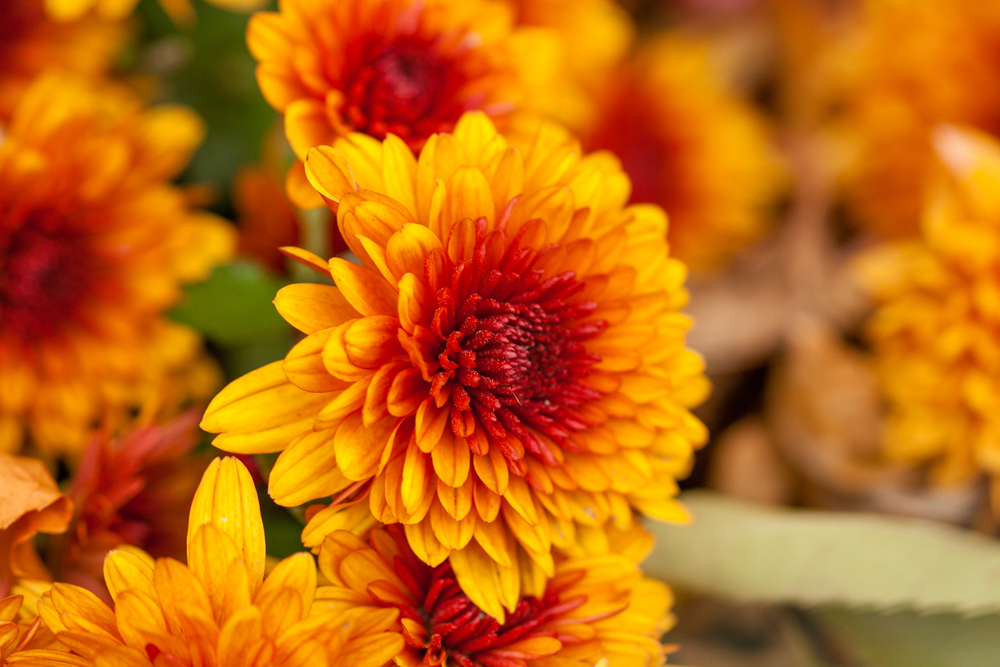
If your garden feels like a monochrome tundra come December, winter annuals are here to rescue your curb appeal. Plants like pansies, violas, and ornamental kale bring bold purples, fiery oranges, and electric yellows to an otherwise dreary environment. They’re hardy enough to handle frost and even light snow, which makes them far more resilient than many summer favorites. The vibrant colors aren’t just pretty—they also attract the eye and lift your spirits when everything else is dormant. Investing a little time in these flowers can transform a bleak winter yard into a lively, eye-catching display.
Winter Annuals Encourage Creative Planting
One of the joys of winter annuals is that they give you freedom to experiment without long-term commitment. Unlike perennials or shrubs, which demand years of careful planning and investment, annuals are like a canvas you can repaint each season. You can mix textures, shapes, and colors in ways that might seem too risky for plants that stick around year after year. They also allow you to test different microclimates in your yard, helping you understand what thrives in shady corners versus sunny patches. For gardeners with a playful or experimental streak, winter annuals are like a playground for your green thumb.
They Require Attention, But Reward Diligently
Some gardeners shy away from winter annuals because they think they’re “low maintenance.” The truth is, they do require care: watering, occasional fertilization, and deadheading to keep blooms looking fresh. But the payoff is undeniable. With just a few minutes of attention each week, you get a garden that’s alive with color and vibrancy when most plants are snoozing. This maintenance schedule also gives you a reason to step outside during winter, providing a little fresh air and sunlight for both you and your plants. It’s one of those rare hobbies that rewards effort almost immediately, and with beautiful results.
Winter Annuals Can Extend Garden Seasons
Most gardeners accept that fall is the curtain call for colorful blooms, and spring is the opening act. Winter annuals blur that timeline, extending your garden season into months that traditionally feel empty. They create a living bridge between fall foliage and the eventual spring explosion of flowers, keeping the garden interesting for longer. This also benefits pollinators and birds, who may rely on flowers for nutrition during scarce months. In short, winter annuals help your outdoor space stay relevant and alive when nature seems to take a seasonal pause.
Not All Winter Annuals Are Created Equal
It’s important to remember that not every winter annual is right for every climate or garden. Some, like snapdragons and calendulas, tolerate frost but not prolonged freezes. Others, like pansies and ornamental cabbage, can endure deeper cold but might struggle in unprotected microclimates. Choosing the right plants for your region and garden conditions is key to avoiding disappointment. Doing a little research upfront ensures you’re planting winners rather than short-lived flukes.
They Offer Educational Opportunities For Gardeners
Winter annuals aren’t just aesthetically pleasing—they’re educational. They provide gardeners with insight into plant resilience, seasonal growth cycles, and frost tolerance. Observing how different species react to low temperatures can inform your choices for spring and summer plantings. It’s also an opportunity to learn about companion planting, soil nutrition, and pest resistance during off-peak months. Even a short winter growing season can teach lessons that last year-round.
They Can Boost Home Value And Curb Appeal
Winter annuals do more than make a garden pretty—they can make a property feel well-cared-for year-round. Homes with colorful, thriving winter landscapes feel inviting, energetic, and alive, even in the coldest months. For homeowners thinking about resale, a vibrant winter garden can create a strong first impression. Prospective buyers may not know the names of all the plants, but they’ll recognize effort, care, and attention to detail. It’s a subtle yet effective way to make your property stand out in a market that typically judges gardens in bloom season alone.
Winter Annuals Are Worth Every Minute
Winter annuals are more than filler—they’re vibrant, rewarding, and capable of teaching both novice and experienced gardeners about resilience, creativity, and seasonal planning. They require some attention, yes, but the benefits—beauty, extended garden seasons, and the joy of watching plants thrive against the odds—far outweigh the effort. Whether you’re looking to brighten your yard, test out your gardening skills, or simply enjoy a splash of color when nature otherwise goes quiet, winter annuals deliver.
Have you tried planting winter annuals in your garden? Share your thoughts, successes, or even your funny fails in the comments section.
You May Also Like…
14 Winter Soil Preparation Tips That Boost Spring Growth
Your Garden Shed Might Be the Most Important Structure This Winter
How to Use Berry-Bearing Shrubs for Winter Garden Drama
Why Plant Dormancy Is Triggered in Autumn
9 Budget-Friendly Winter Garden Projects You Can Finish Before Spring

Brandon Marcus is a staff writer for FrugalGardening.com at District Media, Inc., where he delivers practical gardening advice with a relatable, no-nonsense style. An avid amateur gardener, he holds a BA degree and with over ten years of professional writing experience, he is also an award-winning published author whose first book, Questions For Deep Thinkers, was released by Adams Media. His work has appeared in major publications including Fandom.com, CHUD.com, TheColdWire.com, and Fansided.com.
Leave a Reply