Spring has a way of making us all a little more optimistic—and a lot more ambitious about our gardens. The problem? That burst of motivation can also lead to overspending before your first seed even sprouts. Garden centers are full of tempting plants, shiny tools, and “must-have” supplies that add up fast.
You don’t need a big budget to create a thriving, beautiful garden. With a few smart strategies, you can stretch your dollars while still enjoying a lush, productive space.
Start Seeds Instead of Buying Plants
Starting your garden from seeds is one of the easiest ways to embrace budget gardening without sacrificing variety or quality. A single packet of seeds often costs less than one starter plant and can yield dozens of vegetables or flowers. This approach also gives you more control over what you grow, especially if you want heirloom or organic options.
Use simple containers like egg cartons or yogurt cups to avoid spending extra on seed trays. If you’ve ever felt intimidated by seed starting, know that many beginner-friendly plants like lettuce, tomatoes, and marigolds are surprisingly forgiving.
Shop Your Home Before the Garden Center
Before heading out to buy supplies, take a look around your home—you likely already have more gardening materials than you realize. Old buckets, storage bins, and even worn-out kitchen items can double as planters with a few drainage holes. Leftover wood or bricks can be repurposed into raised beds or borders without spending a dime. This approach not only saves money but also reduces waste, which is a win-win. Budget gardening often starts with a mindset shift: seeing potential in what you already own instead of reaching for your wallet.
Make Your Own Compost for Free Fertilizer
Fertilizer can get expensive quickly, especially if you’re trying to enrich poor soil, but composting offers a nearly free alternative. Kitchen scraps like vegetable peels, coffee grounds, and eggshells can be transformed into nutrient-rich soil over time. Even a small backyard compost pile or bin can significantly reduce your need for store-bought products.
This is one of those budget gardening hacks that pays off season after season. Plus, healthier soil leads to stronger plants, which means better yields and fewer replacement costs later.
Divide and Multiply Existing Plants
If you already have perennials in your yard, you’re sitting on a goldmine of free plants. Many varieties like hostas, daylilies, and ornamental grasses can be divided into multiple plants early in the season. This simple process instantly expands your garden without any additional cost.
You can also swap divisions with neighbors or friends to add variety without spending money. Budget gardening becomes a lot more fun when it turns into a community effort instead of a solo expense.
Time Your Purchases Strategically
Timing can make a huge difference when it comes to saving money on gardening supplies. Early in the season, prices are typically at their highest because demand is strong. If you can wait even a few weeks, many garden centers start discounting plants and supplies. End-of-season sales are another opportunity to stock up on tools, soil, and perennials for next year at a fraction of the cost. Budget gardening isn’t just about spending less—it’s about spending smarter.
Choose Low-Maintenance, High-Reward Plants
Some plants simply give you more bang for your buck, especially if you’re focused on saving money. Herbs like basil, mint, and rosemary can produce for months and eliminate the need to buy them at the grocery store. Vegetables like zucchini and tomatoes often yield more than a single household can even use. Native plants are another smart choice because they require less water and care, reducing ongoing costs. When you prioritize high-yield options, budget gardening becomes both practical and rewarding.
Use Mulch to Save Water and Money
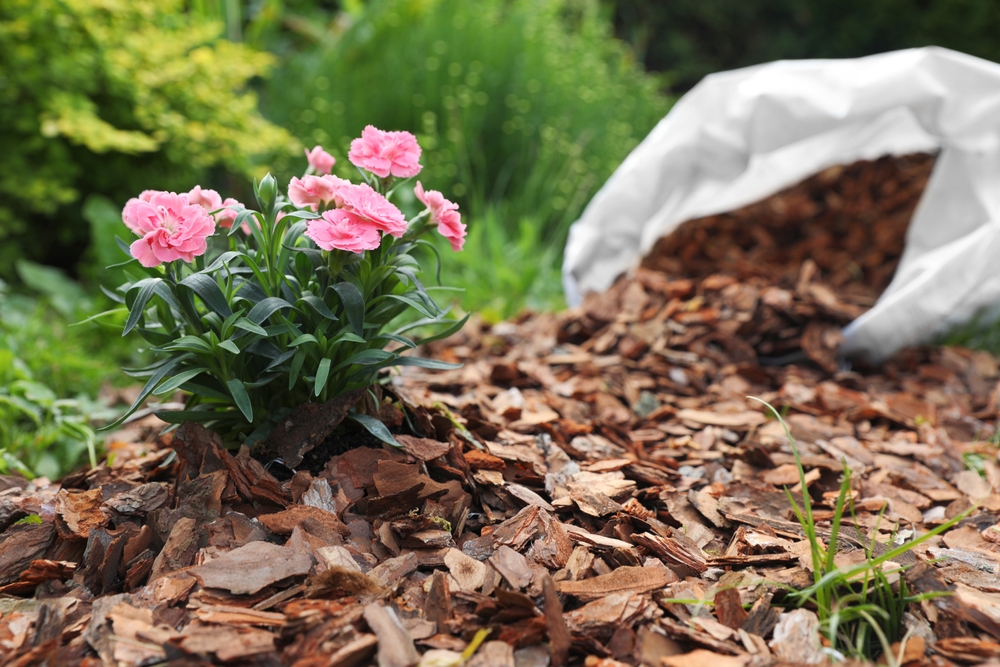
Mulch might not seem exciting, but it’s one of the most effective ways to cut gardening costs over time. A good layer of mulch helps retain moisture in the soil, meaning you’ll spend less on water. It also suppresses weeds, reducing the need for herbicides or hours of manual labor. You don’t have to buy expensive mulch either—grass clippings, shredded leaves, and even newspaper can do the job. This simple step supports budget gardening by lowering both your workload and your utility bills.
Grow More, Spend Less, Enjoy Every Minute
At the end of the day, budget gardening is less about cutting corners and more about making thoughtful choices that add up over time. Small actions like starting seeds, reusing materials, and composting can collectively save you hundreds of dollars each season. More importantly, they help you build a garden that feels personal, sustainable, and deeply satisfying. You don’t need a big budget to create something beautiful—you just need a little creativity and planning. And honestly, the pride of growing something on a budget makes the harvest even sweeter.
What’s your favorite budget gardening trick that saves you money every spring? We want to hear all about it in the comments section below.
You May Also Like…
The Cheap Gardening Hack That’s Actually Killing Your Plants
What Curling Leaves Often Signal in Spring
When It’s Better Not to Fertilize in Spring
Why Moles Become More Noticeable in Early Spring
The Most Overlooked Spring Pest: Cutworms

Brandon Marcus is a staff writer for FrugalGardening.com at District Media, Inc., where he delivers practical gardening advice with a relatable, no-nonsense style. An avid amateur gardener, he holds a BA degree and with over ten years of professional writing experience, he is also an award-winning published author whose first book, Questions For Deep Thinkers, was released by Adams Media. His work has appeared in major publications including Fandom.com, CHUD.com, TheColdWire.com, and Fansided.com.
Leave a Reply