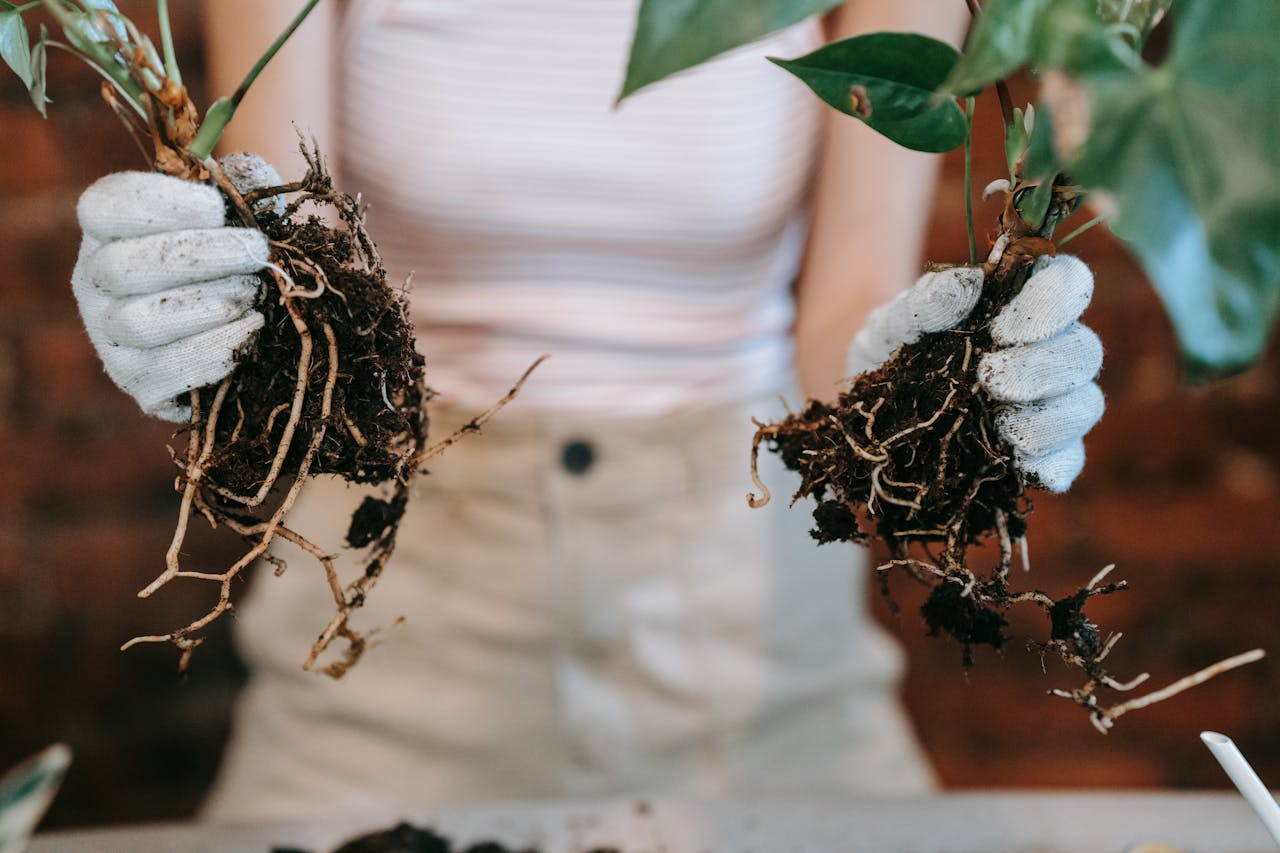
A plant can look vibrant, glossy, and full of life one week, then suddenly collapse like a deflated balloon the next. Leaves droop, stems soften, and that once-happy green color fades into something dull and concerning. The culprit doesn’t always show itself right away, but it works quietly below the surface, turning strong roots into mush. Root rot doesn’t knock politely at the door—it barges in and takes over fast.
The frustrating part? Many gardeners pour effort, attention, and even love into their plants, only to accidentally create the perfect conditions for disaster. Water feels like care, like nourishment, like the right thing to do. But too much of a good thing can flip the script in a hurry. One simple, often overlooked trick can stop root rot before it even gets a chance to start—and it changes everything about how plants grow and thrive.
The Real Villain Underground: Why Root Rot Happens
Root rot doesn’t begin with bad luck; it starts with excess moisture that suffocates roots and invites harmful fungi. Plants need oxygen just as much as they need water, and saturated soil cuts off that oxygen supply quickly. When roots can’t breathe, they weaken, decay, and open the door for pathogens to take over. That’s when the damage accelerates and becomes difficult to reverse.
Many gardeners assume more water equals healthier plants, but that mindset creates the perfect storm. Soil that stays consistently wet becomes a breeding ground for fungal organisms like Pythium and Phytophthora, both of which attack vulnerable roots. Once these organisms gain traction, they spread rapidly through the root system. The plant above ground shows symptoms only after significant damage has already occurred below.
Container plants face an even higher risk because water has fewer escape routes. Without proper drainage, moisture lingers far longer than expected. Even outdoor garden beds can struggle if the soil compacts or lacks structure. The key to prevention lies in understanding that roots need balance, not saturation. Healthy roots grow in soil that holds moisture but also drains efficiently, allowing air pockets to remain intact.
The Game-Changing Trick: Let the Soil Dry (Yes, Really)
Here’s the trick that changes everything: let the soil dry out between waterings. Not bone-dry desert conditions, but dry enough that the top layer no longer feels damp to the touch. This simple habit prevents the constant moisture that root rot thrives on. It gives roots time to breathe, recover, and grow stronger instead of sitting in soggy conditions.
Many new gardeners feel uneasy skipping a watering day, but plants actually benefit from this rhythm. Roots grow deeper in search of moisture when the soil dries slightly, which leads to stronger, more resilient plants overall. This approach mimics natural rainfall patterns rather than creating a constant flood. Over time, plants adapt and become better at managing water efficiently.
Testing soil moisture becomes an easy and reliable habit. Stick a finger about an inch or two into the soil and check for dampness. If it still feels moist, hold off on watering. If it feels dry, go ahead and water thoroughly, allowing excess water to drain out completely. This cycle creates the perfect environment for healthy root development and keeps root rot at bay.
Drainage Is Everything: Pots, Soil, and Smart Choices
Drying out the soil only works if excess water has somewhere to go. Drainage holes in pots are non-negotiable, yet many decorative containers skip this crucial feature. Without drainage, water pools at the bottom and creates a constant swamp for roots. That situation invites root rot almost immediately. Choosing the right soil mix also plays a massive role. Standard potting soil often holds moisture well, but adding materials like perlite, sand, or orchid bark improves drainage significantly. These additions create air pockets that allow water to pass through more freely. The result is soil that stays moist but never waterlogged.
Raised beds and garden plots benefit from similar adjustments. Mixing compost with coarse materials helps prevent compaction and improves water flow. Even small tweaks to soil composition can dramatically reduce the risk of root rot. A plant’s environment determines its success, and drainage sits right at the center of that equation.
Spot the Warning Signs Before It’s Too Late
Root rot doesn’t stay hidden forever, but catching it early makes all the difference. Yellowing leaves, wilting despite wet soil, and a general lack of growth all signal trouble. These symptoms can confuse gardeners because they often resemble underwatering. That confusion leads to even more watering, which only worsens the situation.
Checking the roots provides the clearest answer. Healthy roots look white or light tan and feel firm to the touch. Rotten roots appear dark, mushy, and may give off an unpleasant smell. Once roots reach that stage, immediate action becomes necessary to save the plant.
Pruning affected roots, repotting in fresh soil, and adjusting watering habits can sometimes rescue the plant. However, prevention always beats recovery. Staying alert to early signs allows quick intervention before damage spreads too far. A little awareness goes a long way in keeping plants healthy and thriving.
Watering Smarter, Not More: Build a Better Routine
A consistent watering routine doesn’t mean watering on a strict schedule. Plants don’t follow calendars; they respond to their environment. Temperature, humidity, light, and plant size all influence how quickly soil dries out. Paying attention to these factors creates a smarter, more flexible approach to watering.
Morning watering often works best because it allows excess moisture to evaporate during the day. Evening watering can leave soil damp overnight, which increases the risk of fungal growth. Adjusting timing and frequency based on seasonal changes also keeps plants in optimal condition.
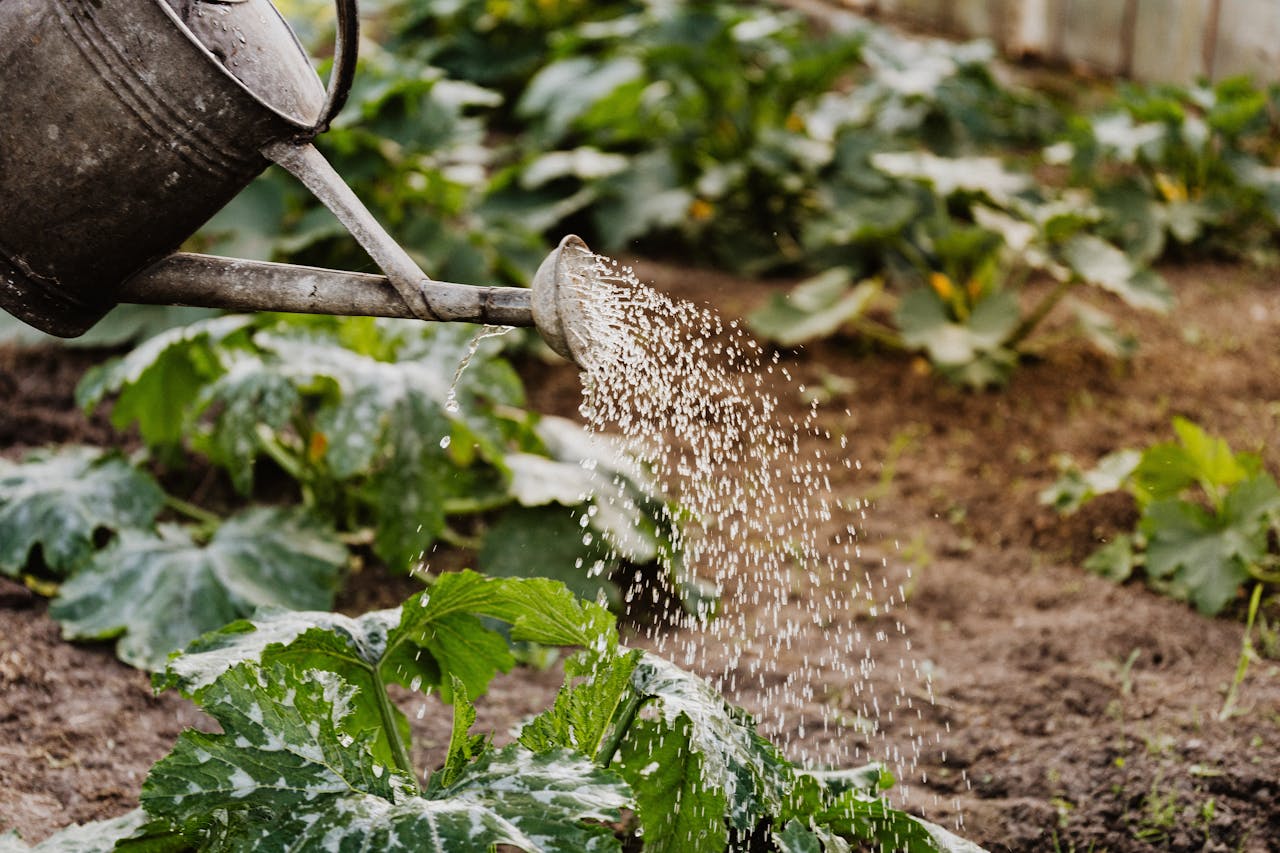
Using tools like moisture meters or simply sticking with the finger test helps eliminate guesswork. Water deeply when needed, then allow the soil to dry appropriately before the next round. This balanced approach supports strong roots and prevents the conditions that lead to rot. Consistency paired with observation creates the best results.
The Root of the Matter: Strong Plants Start Below the Surface
Healthy plants don’t just happen—they grow from strong, well-supported root systems. Everything above the soil depends on what happens below it, and that hidden world deserves attention. Preventing root rot doesn’t require complicated techniques or expensive tools. It starts with one simple shift: respecting the balance between water and air.
Letting soil dry out, improving drainage, and paying attention to early warning signs can transform plant care completely. These habits turn struggling plants into thriving ones and replace frustration with confidence. Gardening becomes far more enjoyable when plants respond with steady growth and vibrant health.
What changes have made the biggest difference in your plant care routine, and have you ever rescued a plant from root rot? Share your tips, wins, or even plant struggles in the comments.
You May Also Like…
5 Warning Signs Your Soil Is Too Compacted for Healthy Root Development
How to Reduce Root Rot Risk Without Chemicals
7 Mulch Moves That Prevent Freeze Damage to Roots
Why Late Fall Watering Saves Roots From Damage
11 Mulching Mistakes That Can Suffocate Roots

Brandon Marcus is a staff writer for FrugalGardening.com at District Media, Inc., where he delivers practical gardening advice with a relatable, no-nonsense style. An avid amateur gardener, he holds a BA degree and with over ten years of professional writing experience, he is also an award-winning published author whose first book, Questions For Deep Thinkers, was released by Adams Media. His work has appeared in major publications including Fandom.com, CHUD.com, TheColdWire.com, and Fansided.com.
Leave a Reply