
Cold air sneaks in like a plot twist, and suddenly your garden’s carefree days are numbered. One morning you’re admiring late blooms, and the next you’re racing daylight with numb fingers and a to-do list. This is the season when smart gardeners shift from growing mode to protection mode, making quick, strategic moves that pay off all winter long.
A little effort now prevents a lot of regret later, and it turns spring from a repair job into a celebration. Grab your gloves, move with purpose, and let’s turn the countdown to the first snow into a victory lap for your garden.
1. Clean Up Spent Annuals And Vegetable Plants
Pulling out dead or dying annuals clears space and removes hiding spots for pests that would love to overwinter in your soil. Diseased plants should always go into the trash rather than the compost pile to avoid spreading problems next year. Healthy vegetable plants can be composted, returning nutrients to your garden cycle. This cleanup also makes your beds look intentional instead of abandoned. Think of it as closing night after a great growing season.
2. Harvest Remaining Crops Before They Freeze
Many vegetables can tolerate cool nights, but a hard freeze is an unforgiving finale. Harvest tomatoes, peppers, squash, and herbs before frost turns them mushy. Green tomatoes can ripen indoors, while herbs can be dried or frozen for winter cooking. Leaving produce out too long wastes months of care. A full basket now beats disappointment later.
3. Mulch Garden Beds Generously
Mulch is your garden’s winter coat, and thicker is better when snow is coming. A solid layer helps regulate soil temperature and prevents freeze-thaw cycles that damage roots. Organic mulch also breaks down slowly, enriching the soil over time. Straw, shredded leaves, or bark chips all work beautifully. This one task quietly protects your plants while you stay warm inside.
4. Protect Perennials And Tender Plants
Perennials appreciate a little extra attention before winter settles in. Cut back only what needs trimming and leave sturdy stems to catch insulating snow. Tender plants may need burlap wraps or frost cloth to survive cold snaps. Mulch around the base to protect roots from deep freezes. These small steps can mean the difference between survival and replacement.
5. Plant Spring-Blooming Bulbs
Fall is prime time for tulips, daffodils, crocuses, and other spring showstoppers. The cooling soil encourages strong root development before winter dormancy. Planting now ensures a colorful reward just when winter fatigue hits hardest. Bulbs are surprisingly tough and thrive with minimal care. Future you will be very grateful for this decision.
6. Prune Trees And Shrubs Carefully
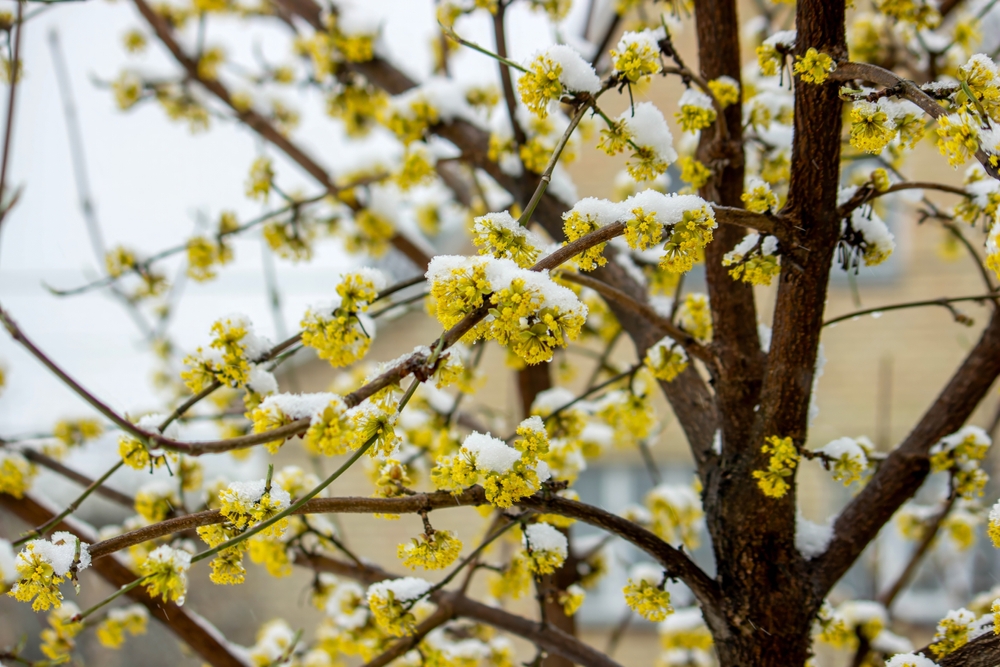
Late fall pruning helps prevent broken branches from heavy snow and ice. Focus on dead, damaged, or crossing branches that could cause trouble. Avoid aggressive pruning, which can stimulate vulnerable new growth. Clean tools reduce the spread of disease during cuts. Thoughtful pruning now protects structure and shape through winter storms.
7. Drain And Store Garden Hoses
Frozen water inside hoses can cause cracks and leaks that shorten their lifespan. Disconnect hoses, drain them completely, and store them in a dry place. Shut off outdoor water valves if possible to prevent pipe damage. This simple habit saves money and frustration in spring. It’s a small task with big payoff.
8. Clean And Store Garden Tools
Soil and moisture left on tools invite rust and deterioration over winter. Clean blades, handles, and metal parts thoroughly before storage. Sharpening tools now means they’re ready the moment spring arrives. A light coat of oil protects metal surfaces from corrosion. Well-maintained tools make every future task easier.
9. Amend Soil With Compost
Fall is an excellent time to feed your soil rather than your plants. Adding compost improves structure, drainage, and nutrient availability by spring. Microorganisms continue working even as temperatures drop. This head start gives plants stronger roots next growing season. Healthy soil is the foundation of a thriving garden.
10. Divide Overgrown Perennials
Some perennials benefit from division every few years, and fall is ideal for many varieties. Dividing reduces overcrowding and promotes healthier growth. Replant divisions or pass them along to friends and neighbors. Water well before the ground freezes to help roots settle. This task refreshes your garden without spending a dime.
11. Protect Garden Beds From Erosion
Bare soil is vulnerable to wind, rain, and melting snow. Mulch, cover crops, or leaf layers keep soil in place through winter storms. Preventing erosion preserves nutrients where they belong. It also saves time when spring planting begins. A stable garden bed is a resilient one.
12. Bring In Or Protect Potted Plants
Container plants are more exposed to cold than those in the ground. Bring tender pots indoors or into a garage before temperatures plummet. Hardy containers can be grouped together and insulated with mulch or blankets. Elevating pots off frozen ground helps prevent cracking. Containers need winter planning just as much as beds do.
13. Check Fencing And Garden Structures
Snow and ice put extra strain on fences, trellises, and raised beds. Repair loose boards or weak supports before winter weather makes the job harder. Secure structures reduce damage and prevent collapse. This proactive step avoids spring repair headaches. Strong bones keep the garden standing tall.
14. Make Notes For Next Season
Fall reflection is a secret weapon of great gardeners. Write down what thrived, what struggled, and what you want to change. Planning now makes spring decisions faster and smarter. Seed catalogs and ideas feel more exciting with fresh notes. Winter is easier when you’re dreaming ahead.
A Little Effort Now, A Lot Of Joy Later
Preparing your garden before the first snow flurry isn’t about perfection, it’s about protection and promise. Each task you complete now becomes a gift waiting under spring’s blanket of thawed soil. Gardens remember how they were treated before winter, and they respond with vigor and beauty when warmth returns. These moments of preparation turn gardening into a year-round relationship rather than a seasonal hobby.
Drop your thoughts, experiences, or favorite fall garden rituals in the comments section below and join the conversation.
You May Also Like…
7 Garden Tasks to Protect Bees in Autumn
How To Keep Your Garden Tools Organized When Snow Hits
The Impact Of Snow And Ice On Your Garden Isn’t What You Think
The Secret to Maintaining Soil Health Under Snow
How Garden Lighting Changes Everything in the Winter Landscape

Brandon Marcus is a staff writer for FrugalGardening.com at District Media, Inc., where he delivers practical gardening advice with a relatable, no-nonsense style. An avid amateur gardener, he holds a BA degree and with over ten years of professional writing experience, he is also an award-winning published author whose first book, Questions For Deep Thinkers, was released by Adams Media. His work has appeared in major publications including Fandom.com, CHUD.com, TheColdWire.com, and Fansided.com.
Leave a Reply