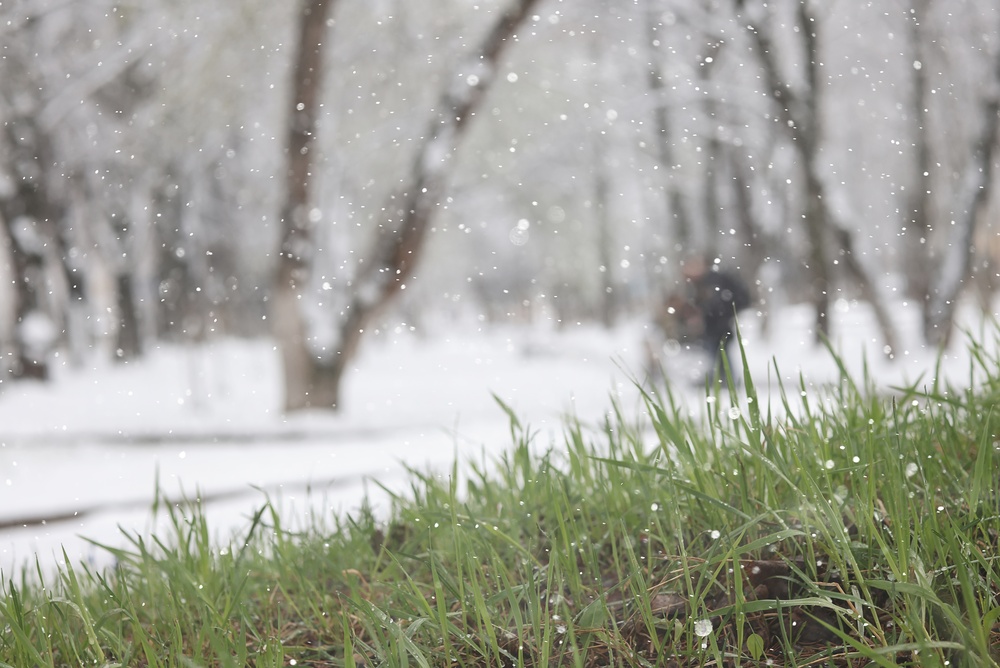
You know that feeling when you finally plant your garden, step back to admire your work… and then the weather app casually drops a “low of 34°F tonight”? Yeah, it’s a special kind of heartbreak. Those $2 plants may not sound like a big investment, but multiply that across a whole garden bed and suddenly a random cold snap feels personal.
The great news is that you don’t need fancy equipment or a greenhouse to protect your plants from a surprise chill. With a little preparation and some clever tricks, you can outsmart unpredictable weather and keep your garden thriving.
Understand Which Plants Are Actually at Risk
Not all plants panic when temperatures dip, and knowing the difference can save you a lot of unnecessary effort. Tender plants like tomatoes, peppers, basil, and cucumbers are the first to suffer when temperatures drop below 40°F. Hardy vegetables such as kale, spinach, and broccoli can tolerate light frost and often bounce back stronger. If you’ve ever woken up to blackened leaves, you’ve already seen what frost damage looks like in real time.
A quick rule of thumb is that anything labeled “annual” or “warm-season” likely needs protection. Taking a few minutes to identify vulnerable plants helps you focus your efforts where they matter most.
Use Household Items as Emergency Frost Covers
You don’t need to run out and buy expensive frost cloth to save your plants at the last minute. Old bedsheets, pillowcases, towels, and even cardboard boxes can act as surprisingly effective insulation. The key is to cover your plants before sunset, trapping heat from the soil as temperatures begin to fall. Make sure the covering reaches the ground to prevent warm air from escaping overnight.
Avoid plastic touching the leaves directly, as it can actually cause freezing damage where it contacts the plant. In a pinch, even a laundry basket flipped upside down can be the difference between survival and a sad, wilted mess.
Water Your Plants Before the Cold Hits
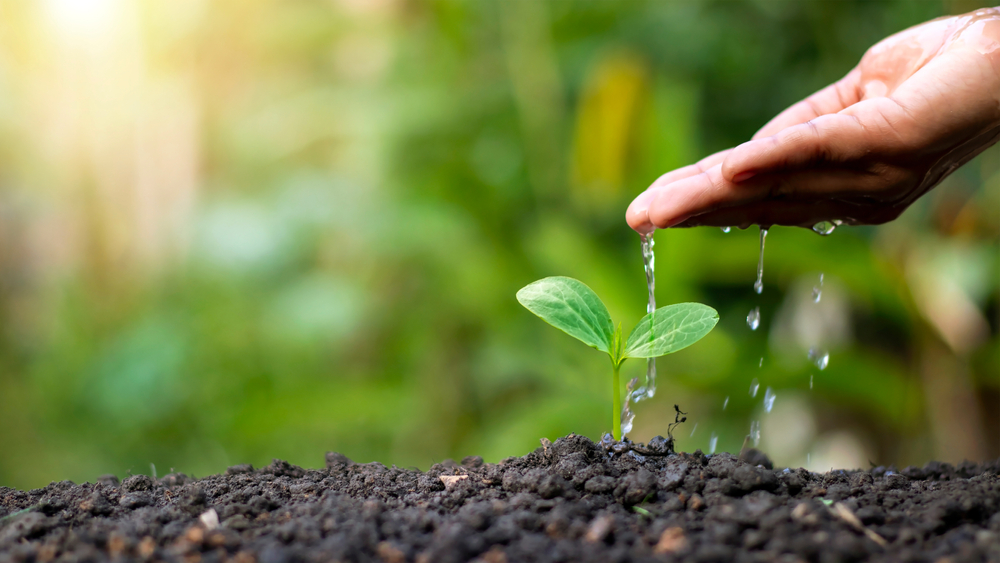
This one sounds counterintuitive, but watering your garden before a cold snap can actually help protect it. Moist soil retains heat better than dry soil, releasing warmth slowly throughout the night. This creates a slightly warmer microclimate around your plants, which can be enough to prevent frost damage. Aim to water in the late afternoon so the soil has time to absorb moisture before temperatures drop.
Just don’t overdo it, as soggy roots can lead to other issues like rot. Think of it as giving your plants a thermal blanket made of water.
Mulch Like You Mean It
Mulch isn’t just for keeping weeds down or making your garden look tidy—it’s also a powerful temperature regulator. A thick layer of mulch acts like insulation, helping the soil hold onto warmth overnight. Materials like straw, shredded leaves, or wood chips work especially well for this purpose. Spread mulch around the base of your plants, focusing on protecting the root zone where the plant’s survival really depends. Even a couple of inches can make a noticeable difference during a cold snap. It’s one of the easiest, cheapest upgrades you can make to your garden’s resilience.
Move What You Can (Yes, Even If It’s Annoying)
If your plants are in containers, you’ve got a major advantage—mobility. Bringing pots indoors, into a garage, or even under a covered porch can shield them from freezing temperatures. It might feel like a hassle, especially if you have a lot of containers, but it’s far easier than replacing dead plants later. Grouping plants together also helps them retain warmth, creating a mini microclimate. If indoor space is limited, placing them against a south-facing wall can provide extra protection. Sometimes the simplest solution is just picking them up and moving them out of harm’s way.
Know When to Uncover and Check for Damage
Once the sun comes up, it’s tempting to rush outside and uncover everything immediately, but timing matters. Wait until temperatures rise above freezing before removing covers to avoid shocking your plants. Check leaves for signs of damage, such as blackening or wilting, but don’t panic if you see some distress. Many plants recover with proper care, especially if the roots remain healthy. Avoid pruning damaged areas right away, as they can actually protect the plant from further stress. Give your garden a few days to show you what’s truly salvageable before making any drastic decisions.
Preparation Beats Panic Every Time
Cold snaps feel random, but your response doesn’t have to be. Keeping a small stash of covers, mulch, and a basic plan means you’re never scrambling at the last second. Most frost damage happens not because gardeners don’t care, but because they’re caught off guard. A quick check of the forecast each evening during early spring and late fall can save you time, money, and frustration. Once you’ve gone through a frost scare or two, you’ll start to recognize the patterns and react faster. In the end, protecting your $2 plants is less about luck and more about being just a little bit prepared.
So, what’s your go-to trick for saving plants during a surprise cold snap? We want all the advice you have in our comments section below.
You May Also Like…
How to Protect Roots From Late Frosts Without Covers
9 Vegetables That Taste Sweeter After Frost
7 Ways to Prevent Frost Heave From Uprooting Small Plants
Are Your Garden Containers Rated for Frost or Will They Crack?
The Hidden Frost Zones in Your Yard That Kill More Plants Than You Think

Brandon Marcus is a staff writer for FrugalGardening.com at District Media, Inc., where he delivers practical gardening advice with a relatable, no-nonsense style. An avid amateur gardener, he holds a BA degree and with over ten years of professional writing experience, he is also an award-winning published author whose first book, Questions For Deep Thinkers, was released by Adams Media. His work has appeared in major publications including Fandom.com, CHUD.com, TheColdWire.com, and Fansided.com.
Leave a Reply