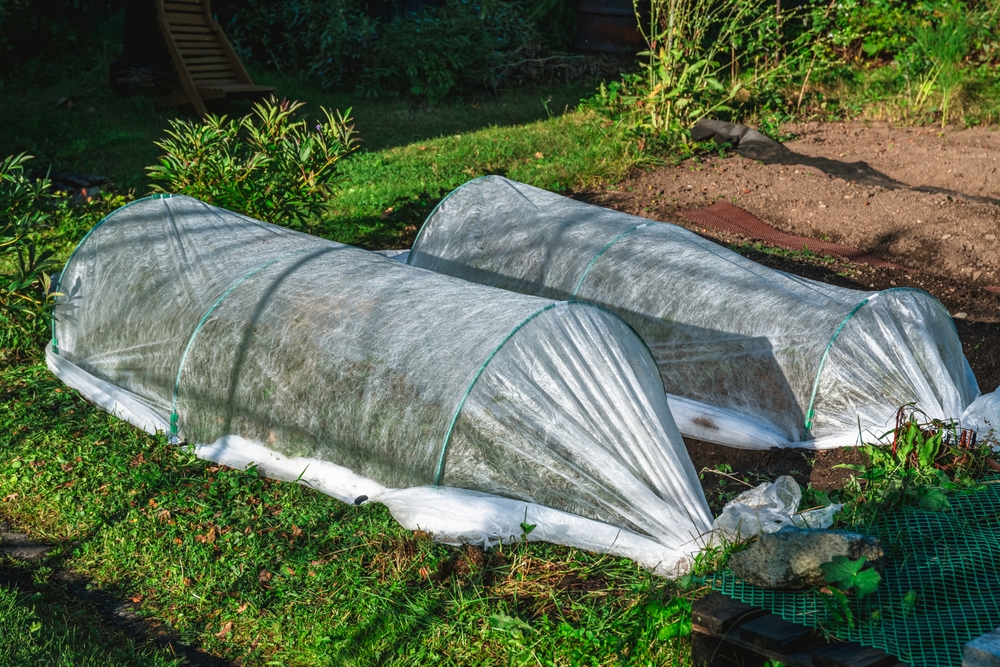
A cold frame might look like a glorified box with a window slapped on top, but before cold weather arrives, that humble little structure can become one of the garden’s most useful pieces of equipment. It can protect cool-season vegetables, give seedlings a sheltered transition outdoors, and help keep fresh greens coming after summer starts packing its bags. Unlike a greenhouse, a cold frame does not need a heater because it captures sunlight and creates a more protected growing space.
The timing matters, too. Waiting until the first icy morning to drag lumber, screws, and an old window across the yard turns a simple garden project into a small emergency. Getting a cold frame ready while the garden still has some warmth left gives gardeners time to choose crops, prepare the soil, check the lid, and figure out how much ventilation the plants will need. That last part matters more than it sounds because a sunny afternoon can turn a cold frame surprisingly warm, even when the air outside feels downright chilly.
A Cold Frame Is a Tiny Season Extender
Think of a cold frame as a mini greenhouse without the ambition of becoming a full-size building. The basic design uses a shallow box with a transparent, hinged cover that lets sunlight enter while sheltering plants from wind and cold temperatures. The sun warms the interior during the day, and the enclosed space slows heat loss after temperatures drop.
A cold frame does not create heat on its own, so it cannot magically turn January into July, but it can create a gentler environment for plants that already tolerate cool weather. That makes it particularly useful during the shoulder seasons, when nighttime temperatures fall but the soil and daylight still offer plants something to work with.
Fall Greens Are Right at Home Inside
Cold frames pair especially well with vegetables that prefer cool conditions instead of sulking through them like a tomato caught wearing a sweater. Lettuce, spinach, kale, mustard greens, chard, radishes, and other cool-season crops can make good candidates, although gardeners should choose varieties suited to their local growing conditions. Fall planting requires some planning because plants need enough time to establish before daylight shortens and temperatures really drop.
A cold frame helps by shielding those plants from wind and temperature swings, but it cannot compensate for planting a crop far too late for its maturity period. For example, a gardener starting fall lettuce should count backward from the expected harvest while considering the local first frost date and the crop’s days to maturity.
Location Matters More Than Fancy Construction
A cold frame does not need to win a backyard architecture contest, but its location deserves serious thought. Choose a spot with plenty of direct sunlight, good drainage, and some protection from strong winter winds. A south-facing location often works well, while southeastern or southwestern exposure can also provide useful sunlight. Setting the frame near a wall, hedge, or other windbreak can reduce exposure to cold winds and help the structure retain some of the warmth it collects during sunny periods. Keep water drainage in mind because soggy soil inside a cold frame creates an entirely different gardening problem, and no gardener needs a tiny swamp with a hinged lid.
Ventilation Keeps the Little Greenhouse Sane
The biggest cold-frame mistake often happens on a beautiful sunny day when the gardener thinks, “Finally, perfect weather,” while the plants quietly cook under the lid. A transparent cover can raise temperatures considerably inside the frame, so gardeners need a way to open the lid and release excess heat. A hinged cover makes ventilation much easier because gardeners can prop it open during warm afternoons and close it again before temperatures fall.
Moisture also deserves attention, since excessive humidity and poor air movement can encourage disease problems in crowded plantings. Check the frame regularly instead of treating it like a sealed storage box, because the plants still need fresh air, appropriate moisture, and temperatures that match their needs.
It Can Help With More Than Fall Harvests
A cold frame can pull double duty, which makes it considerably more useful than a garden gadget that spends nine months collecting dust. Gardeners can use one to harden off seedlings by gradually exposing young plants to outdoor conditions such as stronger sunlight, wind, and changing temperatures. That makes the structure especially handy in spring, but the same sheltered environment can help gardeners manage plants during the transition into cooler weather.
Depending on the climate and the crop, a cold frame can also shelter certain herbs, flowers, and hardy vegetables through portions of winter. The key remains plant selection, because a cold frame moderates conditions rather than replacing the warmth and sunlight that tender plants require.
Build It Now, Thank Yourself Later
Getting a cold frame ready before the weather turns nasty gives gardeners a chance to solve the annoying little problems while the ground remains workable. Check that the lid fits securely, hinges move freely, and the transparent covering stays intact instead of leaving gaps where wind can whistle through. If the structure uses an old window, inspect the glass carefully and avoid putting cracked material in a location where falling pieces could injure someone.
Prepare the growing area with well-drained soil or containers, decide which crops belong inside, and keep a thermometer nearby so the gardener can monitor conditions instead of guessing. Most importantly, make ventilation part of the daily routine whenever weather conditions can push the interior temperature upward, because a cold frame works best when the gardener manages it rather than simply closes the lid and walks away.
Give the Garden a Little More Time
A cold frame will not defeat winter, but it can make the transition into colder weather considerably more productive. Used with the right crops, it gives fall vegetables shelter from wind and cold while allowing sunlight to continue doing useful work. It also creates a convenient place for hardening off seedlings and experimenting with season extension without committing to a full greenhouse. The smartest approach involves matching the structure to the plants, choosing a sunny location, monitoring temperatures, and opening the lid when the interior gets too warm. Set it up before the first frost, and that simple box with a window may turn out to be one of the best pieces of garden equipment waiting in the wings.
Could a cold frame earn a spot in the garden this year, or does the idea still seem like one more thing to maintain?
You May Also Like…
This DIY Cold Frame Design Is Collapsing Under Snow — And Causing Injuries
Easy DIY Garden Cloche Ideas for Cold Protection
Low-Cost Ways to Protect Seedlings From March Cold Snaps
Can Biochar Help Sandy Soil Hold Water During Hot Weather?
Composting in Hot Weather: How Turning and Moisture Control Speed Up Decomposition

Brandon Marcus is a staff writer for FrugalGardening.com at District Media, Inc., where he delivers practical gardening advice with a relatable, no-nonsense style. An avid amateur gardener, he holds a BA degree and with over ten years of professional writing experience, he is also an award-winning published author whose first book, Questions For Deep Thinkers, was released by Adams Media. His work has appeared in major publications including Fandom.com, CHUD.com, TheColdWire.com, and Fansided.com.
Leave a Reply