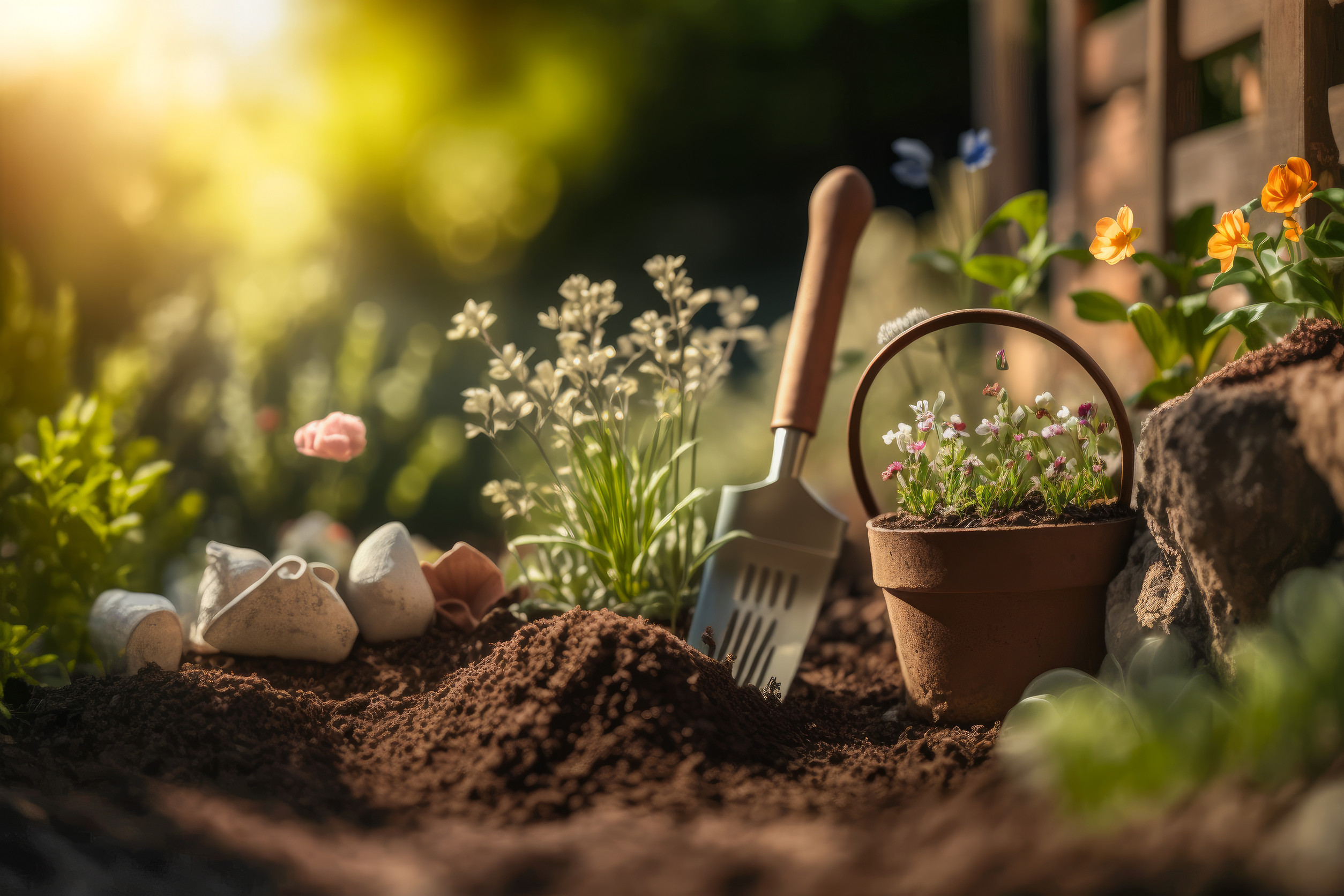
Every gardener dream of rich, dark, crumbly soil. But here’s the plot twist: soil can actually be too fertile. While it sounds like a good problem to have, overly rich soil often backfires, leaving you with more problems than produce.
Plants grow differently depending on the balance of nutrients, and too much of a good thing can throw everything off. The result? Weak crops, lush but useless foliage, and a frustrated gardener left scratching their head.
When Nutrients Go Rogue
Plants need nitrogen, phosphorus, and potassium—the holy trinity of growth. But when nitrogen runs wild, it fuels leafy greens at the expense of fruits and blooms. That means you’ll get enormous tomato vines but not nearly enough tomatoes. It’s like feeding a kid nothing but candy—they’ll have energy but no balance. Nutrients out of balance don’t just waste your effort; they also create a feeding ground for pests and disease.
The Foliage Explosion Problem
Picture this: you plant peppers, dreaming of baskets full of spicy fruit. Instead, you end up with jungle-like leaves and barely a handful of peppers. That’s what happens when soil is too nitrogen-rich. The plant focuses its energy on showing off fancy foliage instead of giving you the goods. Lush leaves might look impressive, but when you wanted salsa, a forest of greenery feels like betrayal.
Pest Parties in Rich Soil
Over-fertilized soil doesn’t just mess with your harvest—it also attracts uninvited guests. Aphids, caterpillars, and other sap-suckers thrive on tender, nutrient-stuffed foliage. Think of it as a five-star buffet for garden pests. The richer the leaves, the more irresistible they become. Your “too perfect” soil may as well roll out the red carpet for insects you’d rather keep away.
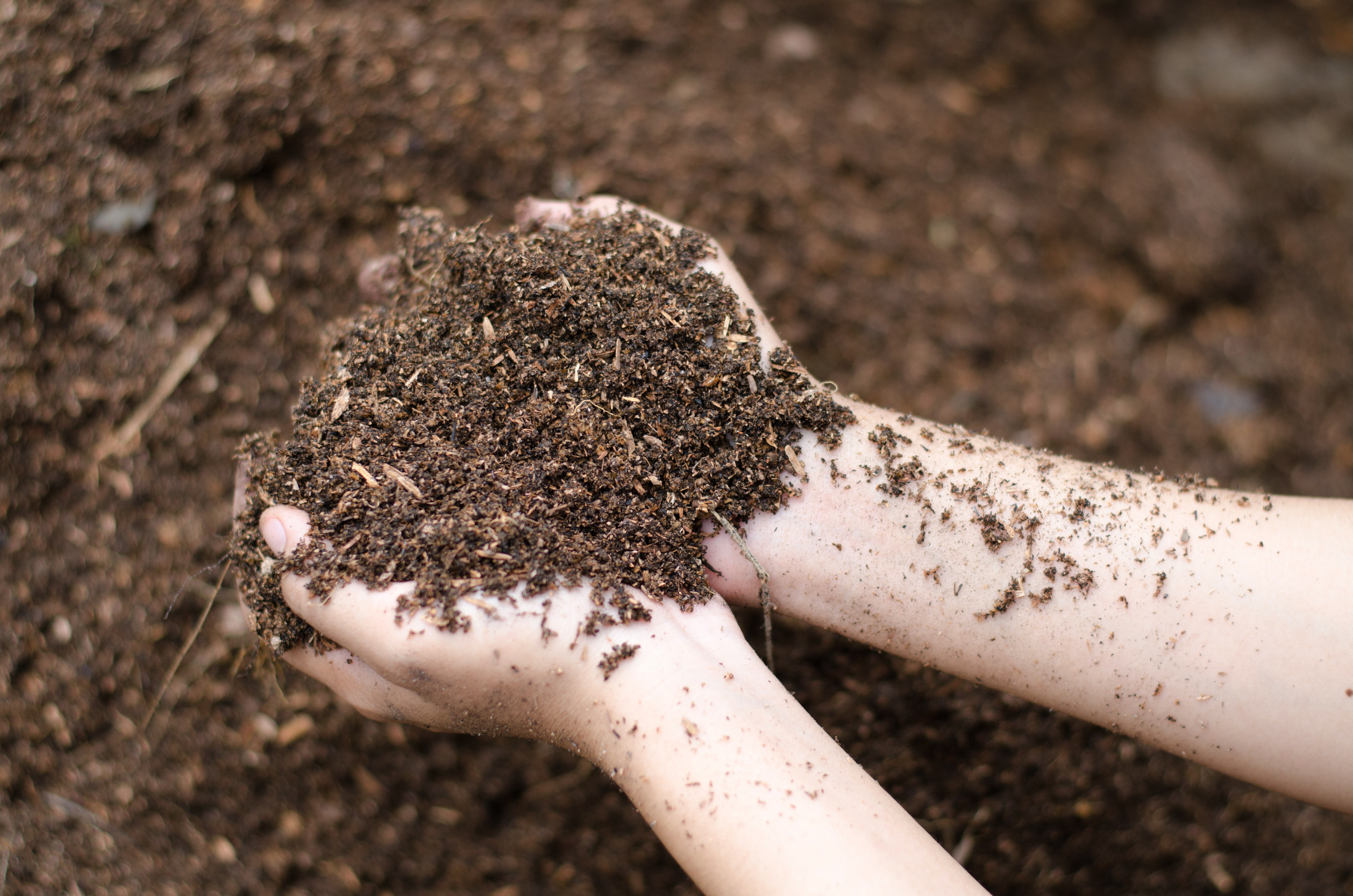
Disease Loves It Too
Diseases often spread more easily in over-fertilized gardens. Excess nitrogen creates soft, weak tissue in plants that fungi and bacteria love to invade. You’ll see powdery mildew, root rot, and blight popping up more often than you’d like. Add in thick, crowded foliage, and suddenly airflow becomes a major problem. Your dream garden quickly transforms into a high-maintenance hospital ward.
The Flower vs. Fruit Dilemma
Ever notice some flowers bloom like crazy but never set fruit? Rich soil is often the culprit. Plants overwhelmed with nutrients may bloom beautifully, but they don’t always transition to the next phase—making food. This leaves you with stunning flowers but empty harvest baskets. While it looks Instagram-worthy, it doesn’t taste like dinner.
Compost Overload Can Backfire
Compost is usually the hero of the garden world. But even good things can cause chaos when used in excess. Piling on compost year after year without testing the soil often leads to imbalances. Suddenly your soil is overloaded with nutrients it doesn’t actually need. It’s like stuffing yourself at a buffet—you end up sluggish, not strong.
Roots Can Struggle Too
Over-fertile soil can push plants to grow quickly above ground, leaving roots underdeveloped. Shallow or weak root systems make plants more vulnerable to drought and stress. Without strong roots, plants topple under wind or heavy fruit loads. They also struggle to access deeper water and nutrients when conditions get tough. In short, spoiled soil makes spoiled plants.
Balancing Soil the Right Way
The key isn’t more—it’s balance. Soil tests are your best friend in figuring out what your garden actually needs. Adding amendments only when necessary keeps everything in harmony. Instead of dumping compost or fertilizer blindly, target your efforts. Balanced soil grows stronger plants, better harvests, and fewer headaches.
Smart Tips for Gardeners
Rotate crops every season to avoid exhausting or overloading the soil. Use cover crops to naturally restore nutrients without creating overloads. Consider organic fertilizers that release slowly instead of overwhelming plants all at once. Add mulch to regulate soil conditions and prevent nutrient leaching. Above all, listen to your plants—they’ll tell you when your soil needs tweaking, not stuffing.
The Richer Isn’t Always Better Rule
It’s tempting to think that more nutrients equal a healthier, more productive garden. But as you’ve seen, soil that’s too rich can backfire in frustrating and sneaky ways. From pest invasions to weak roots and low harvests, overly fertile soil causes more harm than good. The trick is to aim for balance, not abundance.
What about you—have you ever battled soil that was too good? Share your stories, tips, or gardening lessons learned in the comments below!
You May Also Like…
10 Gardening Habits That Are Actually Destroying Your Soil
From Paper Towel to Potting Soil: The Ideal Time to Transplant Your Seedlings
What Is The Best Soil For Container Gardening?
Try These Types of Soils For Your Potted Plants
10 Garden Chemicals That Are Still Sold—But Banned Overseas

Brandon Marcus is a staff writer for FrugalGardening.com at District Media, Inc., where he delivers practical gardening advice with a relatable, no-nonsense style. An avid amateur gardener, he holds a BA degree and with over ten years of professional writing experience, he is also an award-winning published author whose first book, Questions For Deep Thinkers, was released by Adams Media. His work has appeared in major publications including Fandom.com, CHUD.com, TheColdWire.com, and Fansided.com.
Leave a Reply