• Skip to primary navigation
  • Skip to main content
  • Skip to primary sidebar

Frugal Gardening

Simple ways to save money while you garden

  • About
  • Contact Us
  • Garden Frugally
  • Buy These
  • Privacy Policy
  • Navigation Menu: Social Icons

    • Facebook
    • Pinterest
    • Twitter

Try These Types of Soils For Your Potted Plants

September 19, 2024 by Amanda Blankenship Leave a Comment

best soil for potted plants

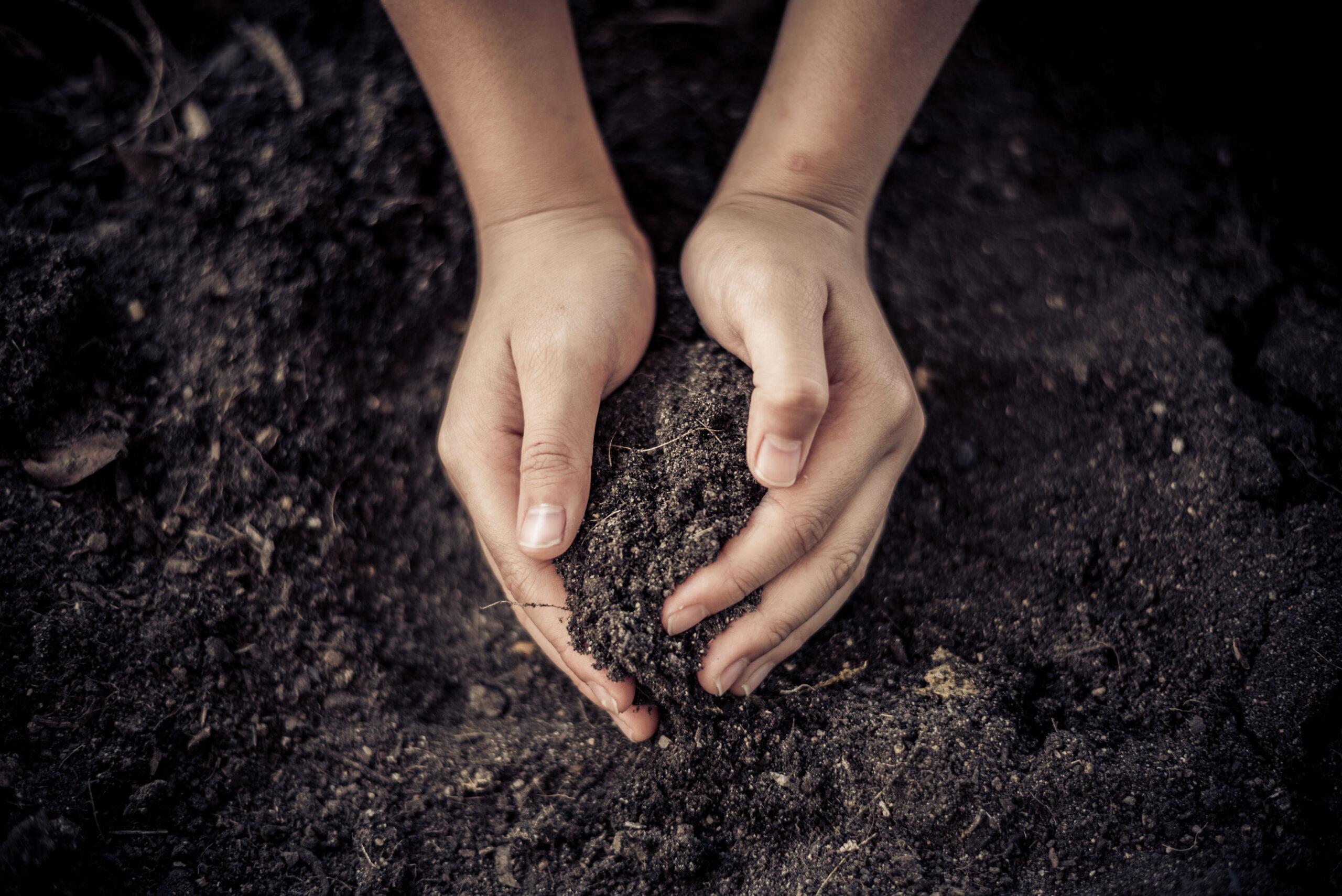
Dark tone color, Close up Child hand carry black and organic soil. Image Source: 123rf.com

Caring for potted plants can be challenging. Make sure you are using the best soil for potted plants, use the right pots for drainage, and make sure the mixture of soil you’re using is right for the plant you’re growing. Here are some things to consider when it comes to the dirt in your potted plants.

The Perfect Potting Mix: What to Look For

Choosing the right soil for your potted plants is like selecting the perfect outfit—it sets the stage for growth and beauty. Whether you’re nurturing succulents, flowering annuals, or leafy greens, the soil mix matters. Let’s explore the best options to keep your potted plants thriving.

Lightweight and Fluffy: The Ideal Texture

When it comes to potting soil, think light and airy. Imagine a mix that feels like a cloud—fluffy, well-draining, and easy for roots to navigate. Look for these key ingredients:

  • Peat Moss: Provides moisture retention without compaction.
  • Perlite or Vermiculite: Adds aeration and prevents soil from becoming too dense.
  • Pine Bark: Enhances drainage and texture.

Nutrient-rich and Balanced

Your potted plants deserve a gourmet meal, and that means nutrient-rich soil. Opt for a mix that contains organic matter, such as compost or well-rotted manure. These natural fertilizers release nutrients slowly, feeding your plants over time. Avoid synthetic chemical fertilizers—they’re like fast food for your green companions.

The pH Factor: Neutral or Slightly Acidic

Soil pH matters more than you’d think. Most potted plants thrive in a slightly acidic to neutral range (around 6.0 to 7.0). If you’re growing acid-loving plants like azaleas or blueberries, lean toward the lower end of the scale. But for most houseplants and ornamentals, aim for that sweet spot.
The pH Factor: Neutral or Slightly Acidic

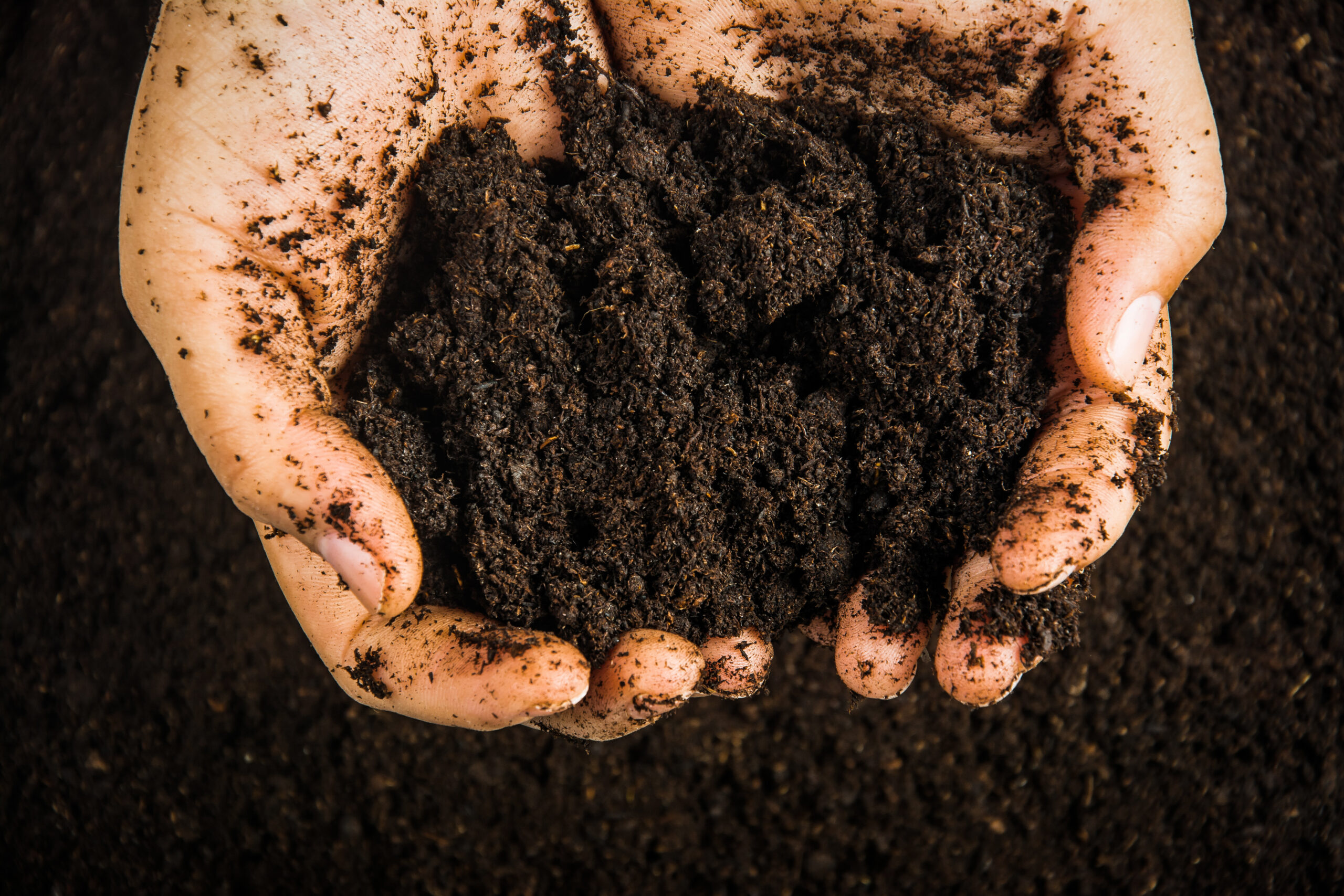
Hands dirty with clay , soil background. Image Source: 123rf.com

Custom Blends: Tailoring to Plant Needs

Why settle for off-the-rack when you can have a bespoke blend? Customize your potting mix based on your plant’s preferences:

  • Cacti and Succulents: Mix regular potting soil with extra perlite or coarse sand for excellent drainage.
  • Orchids: Orchid bark or sphagnum moss creates an airy, moisture-retentive mix.
  • Herbs: Blend potting soil with a touch of compost for flavorful herbs.

Avoid These Soil Pitfalls

When it comes to soil, there are plenty of things you should avoid. Don’t fall for these common pitfalls:

  • Garden Soil: Too heavy and compact for pots.
  • Topsoil or Fill Dirt: Lacks nutrients and may contain debris.
  • Compost Alone: Great for the garden, but not ideal for containers.

Soil Magic for Happy Plants

Remember, your potted plants rely on their soil for sustenance. So, mix with care, water wisely, and watch your green beauties thrive. And if you ever doubt your soil choice, just ask your plants—they’ll show you their gratitude in vibrant leaves and blossoms.

Filed Under: container gardening, Uncategorized Tagged With: best soil, container gardening, potted plants, soil

Previous Post: « Rid Your Garden of These 7 Insects With These Hacks
Next Post: Gardening Gifts For First-Time Home Buyers »

Reader Interactions

Leave a Reply Cancel reply

Your email address will not be published. Required fields are marked *

Primary Sidebar

Struggling to get your garden off the ground? Put those days behind you with our special starter kit – perfect for thrifty green thumbs everywhere. Get growing and add a splash of color today!

Popular Posts

  • usda free seeds websiteHow To Get Free Seeds From The Government by Amanda Blankenship Seeds might seem like a small expense, but any seasoned…
  • Enviro Ice On PlantsShould I Use Enviro Ice On My Plants? by Kathryn Vercillo Every week, I receive food from Hungryroot. It's a great…
  • is shredded paper good for the gardenFrom Trash to Treasure: Transform Shredded Paper Into Garden Gold by Amanda Blankenship Should you use shredded paper as garden mulch? It might…
  • Enviro IceWhat Happens to Plants If You Use Enviro Ice on Them? by Amanda Blankenship About a year ago, I wrote our first article about…
The Hidden Risks of Improper Pruning That Reduce Summer Harvests

The Hidden Risks of Improper Pruning That Reduce Summer Harvests

There’s a moment in every growing season when everything looks promising, green, and unstoppable—and then something quietly goes wrong. Not a dramatic pest invasion or a sudden frost, but something far more frustrating because it feels avoidable. Pruning, that seemingly simple act of trimming back growth, holds more power than most realize. Done right, it…

Read More

How to Rejuvenate Old Fertilizer Instead of Throwing It Away

How to Rejuvenate Old Fertilizer Instead of Throwing It Away

There’s no reason a bag of fertilizer should end its life in the trash just because it looks a little sad. That dusty, clumpy pile sitting in a garage corner still holds serious plant-growing power if handled the right way. People toss it out far too quickly, assuming time alone ruins it, but most fertilizers…

Read More

7 Low-Growing Plants That Beat Weeds Without Constant Maintenance

7 Low-Growing Plants That Beat Weeds Without Constant Maintenance

Weeds don’t negotiate. They don’t take breaks, they don’t respect boundaries, and they absolutely don’t care how much effort went into planting a beautiful garden. One minute everything looks tidy and intentional, and the next, unruly green invaders start pushing through like they own the place. The usual response involves pulling, spraying, or endlessly battling…

Read More

What Slime on Your Soil Means and When You Should Be Concerned

What Slime on Your Soil Means and When You Should Be Concerned

It looks like something from another planet. Bright, squishy, and oddly alive, that mysterious slime creeping across soil can stop anyone in their tracks and spark instant curiosity. It doesn’t politely blend in with the garden or quietly support plant growth; it announces itself with color, texture, and a bold refusal to go unnoticed. That…

Read More

  • About
  • Contact Us
  • Garden Frugally
  • Buy These
  • Privacy Policy
  • Navigation Menu: Social Icons

    • Facebook
    • Pinterest
    • Twitter
  • Facebook
  • Pinterest
  • Twitter

Copyright © 2026 · Foodie Pro & The Genesis Framework