
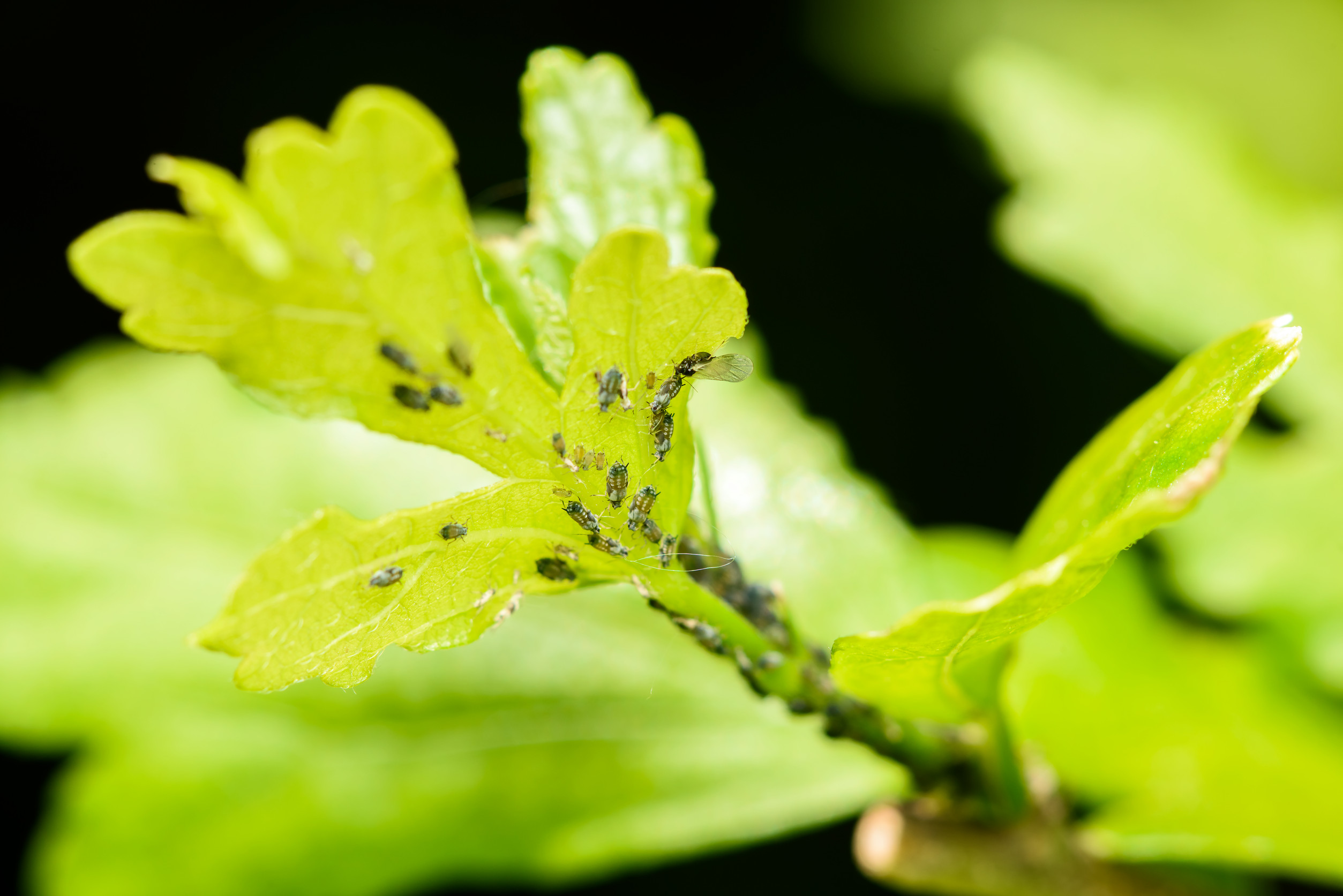
Aphids: the tiny green (and sometimes black) villains that make gardeners everywhere grit their teeth. They multiply fast, drain your plants dry, and can leave even the most carefully tended garden looking sad and wilted.
But here’s the twist—you don’t need expensive sprays or harsh chemicals to win this battle. There’s one natural hero you can plant today that will turn your garden into a fortress against aphids. Meet the mighty nasturtium—the colorful, edible flower that works harder than you’d ever imagine.
Why Aphids Are the Enemy Number One
Aphids aren’t just annoying; they’re garden destroyers. These little sap-suckers feed on the juices of your plants, leaving leaves curled, yellow, and weak. To make matters worse, they excrete a sticky substance called honeydew, which attracts ants and mold. That means one pest problem can quickly turn into three. Left unchecked, aphids can take over an entire bed of veggies in no time, turning your lush paradise into a wilted wasteland.
Meet the Garden Superhero: Nasturtiums
Enter nasturtiums, the bright, trailing flowers that look lovely and fight fiercely. Known as a “trap crop,” nasturtiums lure aphids away from your prized plants like roses, cucumbers, or beans. Aphids simply can’t resist them, and once they’re on the nasturtiums, they leave your veggies alone. The flowers themselves are completely edible, adding a peppery kick to salads. Plus, they’re easy to grow almost anywhere—making them the low-maintenance bodyguard your garden has been begging for.
How Nasturtiums Work Their Magic
Nasturtiums act like a decoy buffet, attracting aphids with their soft leaves and stems. Once planted near your vegetables, they draw the pests away, concentrating the aphid problem in one spot. This makes it simple for you—or natural predators like ladybugs—to manage them. Instead of fighting aphids on every plant, you’re basically setting up a pest trap that makes your job easier. It’s natural pest control at its finest, no chemicals required.
Planting Nasturtiums Like a Pro
The great thing about nasturtiums is that they thrive with very little fuss. Plant them from seed after the last frost, and they’ll sprout quickly in most soils. They love full sun but will tolerate partial shade, and they don’t need much fertilizer—too much actually reduces their flower production. You can let them sprawl along the ground, climb up trellises, or spill beautifully over raised beds. Their flexibility makes them a dream for beginner and expert gardeners alike.
Nasturtiums and Their Perfect Garden Companions
While nasturtiums protect against aphids, they also make great neighbors for many garden favorites. Plant them near beans, cucumbers, and squash for an added shield against pests. They pair beautifully with tomatoes, keeping the aphid population distracted while you enjoy juicy, blemish-free fruit. Even roses benefit from having nasturtiums nearby, since aphids are infamous rose destroyers. The end result? Happier plants, fewer pests, and a garden that looks vibrant and colorful.
More Than Just Pest Control
Nasturtiums aren’t just warriors against aphids—they bring a lot more to the table. Their bold blooms in shades of red, orange, and yellow add instant curb appeal to your garden. The flowers and leaves are edible, adding a unique peppery flavor to salads, sandwiches, and even cocktails. They also attract pollinators like bees and butterflies, which help boost the productivity of your entire garden. It’s rare to find a plant that’s both practical and beautiful, but nasturtiums nail it.
Nasturtiums as a Teaching Tool
If you have kids or are new to gardening, nasturtiums make the perfect teaching plant. Their seeds are large and easy to handle, making planting fun and simple. Since they grow quickly, you don’t have to wait long to see results—a huge win for impatient little gardeners. Watching how they draw in aphids can also be an eye-opening science experiment in natural pest management. It’s a fantastic way to see nature’s balance in action right in your backyard.
How to Maintain Nasturtiums Through the Season
Caring for nasturtiums couldn’t be easier. Water them moderately, and don’t overthink it—they’re fairly drought-tolerant once established. Deadhead (remove spent flowers) to encourage more blooms throughout the season. Keep an eye on them, since they’ll often become the go-to hangout for aphids, but remember—that’s their job! If they start to look too overwhelmed, simply trim them back or plant a few more for reinforcements.
A Small Plant with a Big Payoff
Nasturtiums prove that sometimes the simplest solution is the most effective. They’re vibrant, tasty, and most importantly, they’re a natural shield against one of the biggest garden pests out there. By planting nasturtiums, you’re creating a healthier, happier garden where vegetables, flowers, and pollinators can thrive. No chemicals, no expensive treatments—just a simple flower with superhero abilities.
Have you tried nasturtiums in your garden? Share your stories, tips, or aphid-busting secrets in the comments below—we’d love to hear them!
You May Also Like…
7 Plants That Attract Dangerous Pests without You Realizing It
10 Natural Ways to Control Pests in Your Vegetable Garden
6 Hidden Pest Infestations That Start in the Backyard
7 Innocent-Looking Shrubs That Harbor Invasive Insects
Are You Poisoning Your Garden? 6 Organic Pest Control Methods That Work

Brandon Marcus is a staff writer for FrugalGardening.com at District Media, Inc., where he delivers practical gardening advice with a relatable, no-nonsense style. An avid amateur gardener, he holds a BA degree and with over ten years of professional writing experience, he is also an award-winning published author whose first book, Questions For Deep Thinkers, was released by Adams Media. His work has appeared in major publications including Fandom.com, CHUD.com, TheColdWire.com, and Fansided.com.
Leave a Reply