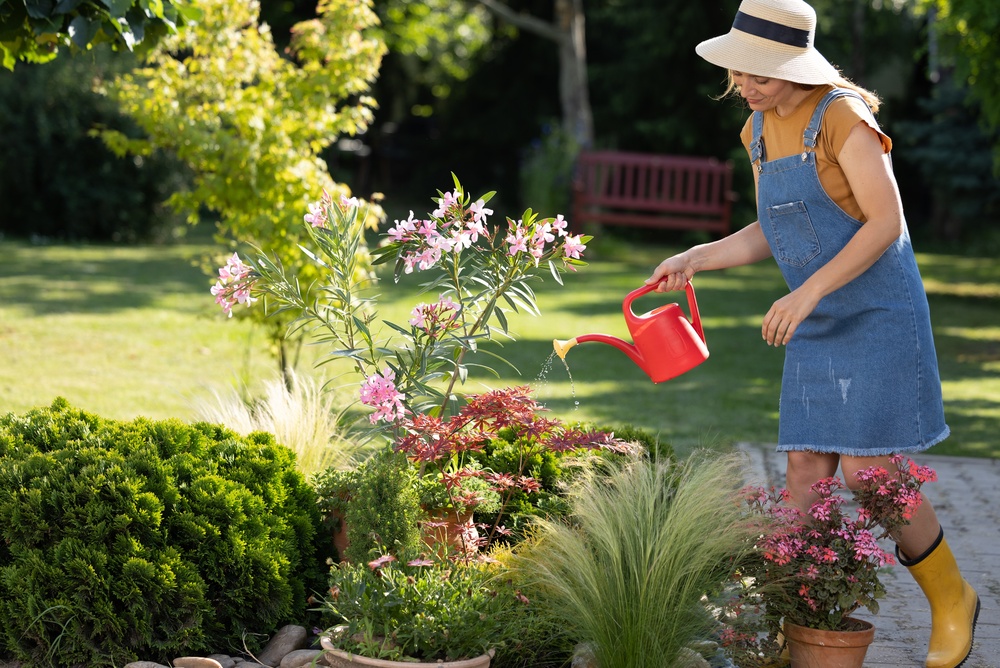
Summer used to feel predictable in the garden. A few hot days rolled in, plants perked up with regular watering, and everything settled into a steady rhythm of growth and color. Now the season feels less like a rhythm and more like a test of endurance. Heat arrives earlier, lingers longer, and sometimes shows up in waves that stress both plants and the people tending them. Even experienced gardeners notice the shift when tomatoes wilt before noon and lettuce bolts before the first real harvest.
The changes do not come from one single cause. They build from hotter days, drier soil, shifting pest patterns, and plants reacting to stress in ways that feel new compared to a decade ago. Gardens still grow, but they demand quicker decisions and more attention to detail. The old habits still matter, but they no longer carry the same weight they once did.
Heat Waves Arrive With Less Warning and More Punch
Hot summer stretches now show up earlier in the season and last longer than many gardens expect. Plants that once eased into warm weather now face sudden spikes that push them past their comfort zone. Tomatoes droop by midday, hydrangea leaves curl at the edges, and even hardy herbs start looking tired after a few days of intense sun. The garden does not just feel hot, it feels stressed from top to bottom.
These heat patterns force gardeners to rethink timing and placement. Afternoon shade matters more than it used to, especially for leafy greens and container plants. Even established flower beds can struggle when heat arrives before root systems fully adjust to the season. The result feels like gardening on fast forward, where every warm spell demands immediate attention instead of casual observation.
Soil Dries Out Faster Than It Used To
Dry soil now becomes a daily challenge instead of an occasional issue. Higher temperatures pull moisture out of garden beds quickly, leaving the top layer crusty while roots sit in uneven conditions below. A bed that once stayed damp for days after watering may now dry out in a single afternoon. That shift changes everything about watering routines.
Containers feel this change even more sharply. Hanging baskets that once stayed hydrated through a full day now demand a morning and evening check. Mulch helps slow evaporation, but it no longer solves the problem on its own. Gardeners now rely on deeper watering and more frequent soil checks just to keep plants from slipping into stress between routines.
Pests Act Faster and Stick Around Longer
Insect pressure feels more persistent than it did a decade ago. Warm conditions extend breeding cycles for aphids, spider mites, and beetles, which means populations build faster and recover quicker after treatment. A patch of healthy leaves can turn spotted in days instead of weeks. The garden never gets quite as much breathing room as it once did.
This shift also changes how pests interact with plants. Stressed plants release signals that attract more insects, which creates a cycle that escalates quickly during heat waves. Tomatoes and cucumbers often show the first signs, with curled leaves or sudden yellowing that signals trouble beneath the surface. Quick, targeted action matters more now because delays give pests a stronger foothold.
Plants Respond to Stress in New and Unexpected Ways
Plants react to modern summer conditions with behaviors that feel unfamiliar to many gardeners. Some flower earlier than expected, while others skip blooming entirely during peak heat. Lettuce bolts at smaller sizes, peppers stall during fruit set, and beans drop blossoms when temperatures stay high overnight. These reactions reflect stress, not failure, but they still frustrate gardeners expecting steady growth.
Shifting seasons also play a role. Spring often arrives earlier, which pushes plants into growth mode before conditions stabilize. Then sudden heat waves interrupt that early momentum. The result creates a stop-and-start pattern that feels unpredictable compared to more stable gardening seasons in the past.
Gardening Expectations Have Not Fully Caught Up
Many gardeners still follow routines built for milder summers. Water once a day, expect steady bloom cycles, and assume pests arrive in predictable waves. Modern summers challenge those assumptions. Plants now need more flexible care, not rigid schedules, and gardens respond better when attention adjusts with the weather instead of the calendar.
Even tools and techniques need reevaluation. Drip irrigation systems, shade cloth, and soil testing now play a bigger role in keeping plants stable. Gardens no longer reward autopilot maintenance. They reward observation, quick response, and a willingness to adapt when conditions shift.
Adapting the Garden to a New Summer Reality
Summer gardening has not become impossible, just more dynamic. Success now depends on working with heat, soil changes, pests, and plant behavior instead of expecting past patterns to hold steady. Small adjustments like deeper watering, smarter plant placement, and heat-aware timing make a noticeable difference over the season. Gardens respond quickly when conditions match their needs.
The biggest shift comes from mindset. Gardens no longer run on predictable schedules, and that reality rewards flexibility over routine. A garden that once needed occasional attention now asks for regular observation and quicker decisions. The reward still shows up in blooms, harvests, and buzzing pollinators, just with a little more effort behind the scenes.
The New Rhythm of Summer Gardening
Summer gardening today asks for sharper awareness and faster adaptation, but it still delivers beauty, food, and quiet moments of satisfaction. Heat, pests, and shifting seasons reshape the experience, yet they do not remove the joy of growing. They simply change the rules of engagement. Gardens now respond best to gardeners who read the weather, watch the soil, and adjust without hesitation.
What changes in your summer garden have surprised you the most over the past few years? How have you adjusted? Let’s chat about it below in our comments.
You May Also Like…
8 Flowers That Keep Blooming Through the Worst Summer Heat
The Gardening Warning Experts Are Issuing About Extreme Summer Heat
Why Sun Exposure Determines Growth Success
8 Things Successful Gardeners Always Do Before a Heatwave
The Sunlight Rule: Why Placement Determines Growth Success

Brandon Marcus is a staff writer for FrugalGardening.com at District Media, Inc., where he delivers practical gardening advice with a relatable, no-nonsense style. An avid amateur gardener, he holds a BA degree and with over ten years of professional writing experience, he is also an award-winning published author whose first book, Questions For Deep Thinkers, was released by Adams Media. His work has appeared in major publications including Fandom.com, CHUD.com, TheColdWire.com, and Fansided.com.
Leave a Reply