Summer can turn a beautiful flower bed into a tired, drooping mess in just a few days. Blazing sunshine, dry soil, and relentless heat push many popular flowers past their limits long before autumn arrives. Fortunately, some blooms seem to laugh at soaring temperatures and keep putting on a colorful show while others wave the white flag.
The right flower choices save time, reduce watering, and keep the yard looking cheerful even during the hottest weeks of the season. These dependable favorites reward gardeners with months of vibrant color instead of a short burst followed by disappointment. A little planning at planting time often leads to a garden that still looks fresh when the rest of the neighborhood starts looking sunburned.
1. Lantana
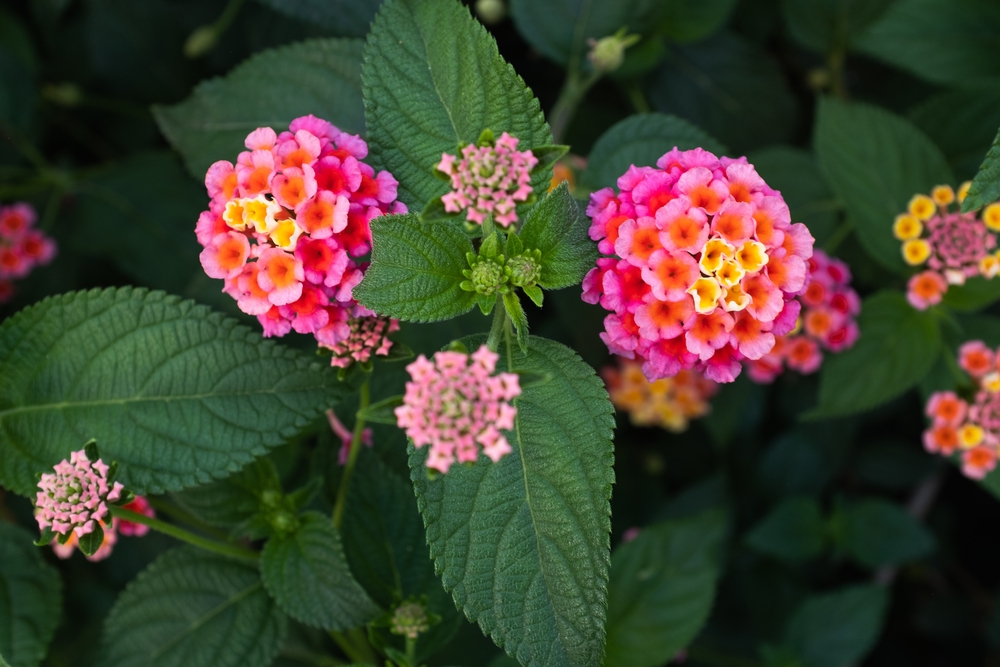
Lantana earns its reputation as one of the toughest flowering plants in any sunny landscape because it keeps producing colorful flower clusters when many other plants stop blooming. Its bright shades of yellow, orange, pink, purple, and red often appear on the same plant, creating a lively display that changes as the flowers mature. Butterflies flock to lantana throughout the summer, turning the garden into a busy gathering place filled with movement. Once established, this plant handles dry conditions remarkably well and asks for very little attention. Gardeners who tend to overwater often discover that lantana actually performs better when the soil dries slightly between waterings.
Many experienced gardeners plant lantana near sidewalks, driveways, or other hot locations where reflected heat makes growing flowers difficult. The plant shrugs off those challenging spots with surprising ease and keeps blooming well into fall in many regions. Deadheading can encourage even more flowers, but lantana continues blooming even if gardeners skip that chore occasionally. Compact varieties fit neatly into containers while larger selections spread into colorful ground covers. That flexibility makes lantana one of the easiest ways to add dependable summer color almost anywhere.
2. Zinnias
Zinnias bring nonstop excitement to summer gardens with flowers that resemble everything from cheerful daisies to elegant pom-poms. They come in nearly every color except blue, making it easy to match almost any landscape design. Full sunshine encourages sturdy stems and an endless parade of blooms that continue until frost arrives. Cutting flowers for bouquets actually encourages many varieties to produce even more blossoms. That makes zinnias one of the rare flowers that reward gardeners for bringing fresh bouquets indoors.
Good air circulation helps prevent powdery mildew, especially during humid weather, so giving plants enough space pays off later in the season. Regular watering at the base instead of soaking the leaves also helps keep plants healthy. Newer disease-resistant varieties make growing zinnias easier than ever for beginners. Bees, butterflies, and hummingbirds also appreciate their nectar-rich blooms. Few annual flowers deliver such impressive color with so little effort.
3. Vinca
Vinca, sometimes called annual periwinkle, practically seems designed for scorching summer afternoons. Thick, glossy leaves stay attractive while bright pink, white, lavender, or red flowers continue opening day after day. Unlike some flowering plants that wilt dramatically in afternoon heat, vinca usually stays neat and tidy even during long heat waves. It performs especially well in areas with sandy or well-drained soil. Gardeners often rely on vinca when other annuals struggle to survive.
One of vinca’s biggest advantages involves its low maintenance nature. It rarely needs deadheading because spent flowers fall away naturally while new buds continue opening. Containers, borders, and flower beds all benefit from its dependable color throughout the growing season. Overwatering causes far more problems than underwatering, so gardeners should resist the temptation to keep the soil constantly wet. Giving vinca room to breathe often rewards the garden with months of reliable blooms.
4. Coneflower
Coneflowers combine rugged durability with unmistakable beauty, making them favorites in both cottage gardens and modern landscapes. Their large daisy-like blooms rise above sturdy stems and keep attracting butterflies throughout the hottest months of summer. Purple remains the classic color, but gardeners now enjoy white, orange, yellow, red, and even green varieties. Deep roots help these perennials handle dry spells far better than many traditional flowering plants. Once established, they often need very little supplemental watering.
Leaving a few faded flowers in place after blooming ends adds another benefit because goldfinches eagerly snack on the seeds. Many gardeners enjoy watching birds visit the garden almost as much as they enjoy the flowers themselves. Coneflowers also pair beautifully with ornamental grasses and other drought-tolerant perennials. Their upright growth habit adds height without overwhelming nearby plants. Every season they return with even more confidence and color.
5. Portulaca
Portulaca, often called moss rose, transforms dry, sunny spaces into carpets of brilliant color. Succulent leaves store moisture efficiently, allowing this plant to flourish in conditions that challenge many other annual flowers. The blossoms resemble tiny roses and appear in shades of yellow, orange, pink, red, white, and bi-colored combinations. Many varieties spread gracefully across containers, hanging baskets, and rock gardens. Hot pavement and blazing sunshine barely slow this cheerful plant down.
Excellent drainage remains the biggest secret to growing healthy portulaca. Heavy, constantly damp soil can lead to root problems, while sandy soil encourages vigorous growth and continuous blooming. Modern varieties often keep their flowers open longer during the day than older selections. Gardeners who struggle with dry slopes or difficult planting areas frequently discover that portulaca solves those problems beautifully. It brings impressive color without demanding constant care.
6. Blanket Flower
Blanket flowers light up summer gardens with fiery shades of red, orange, and yellow that resemble miniature sunsets. Their long blooming season stretches from early summer into autumn, especially when gardeners remove spent flowers regularly. These native wildflowers tolerate poor soil surprisingly well and actually dislike overly rich growing conditions. Plenty of sunshine encourages strong stems and nonstop blooming. Once established, blanket flowers become dependable performers during long dry periods.
Pollinators eagerly visit blanket flowers throughout the season, making them valuable additions to wildlife-friendly landscapes. Their bright colors blend naturally with ornamental grasses and other prairie-style plants. Many gardeners appreciate their relaxed, informal appearance that fits beautifully into naturalized gardens. They also make cheerful additions to fresh-cut bouquets. A patch of blanket flowers often becomes one of the busiest spots in the yard.
7. Angelonia
Angelonia offers the elegant appearance of snapdragons with much better tolerance for hot weather. Tall flower spikes appear continuously in purple, pink, white, and blue shades without requiring constant deadheading. The blooms add welcome height to flower beds while maintaining a tidy, upright shape all season long. Warm temperatures actually encourage stronger flowering instead of slowing the plant down. Gardeners often rely on angelonia when midsummer heat arrives in full force.
Its slightly fragrant flowers attract bees and butterflies while adding texture to mixed container arrangements. Angelonia also performs well in borders where consistent color helps anchor surrounding annuals and perennials. Good drainage and full sunshine create ideal growing conditions. Occasional trimming keeps plants compact and encourages fresh flower spikes. The result stays attractive long after many spring favorites have faded away.
8. Pentas
Pentas deliver clusters of star-shaped flowers that seem irresistible to butterflies and hummingbirds. Bright shades of red, pink, lavender, and white cover the plants from early summer until cooler weather finally arrives. Full sunshine encourages the heaviest flowering, although pentas appreciate afternoon shade in the hottest climates. These plants handle heat remarkably well while maintaining fresh-looking foliage. Their colorful blooms provide a reliable source of nectar throughout the season.
Pentas work equally well in flower beds, containers, and pollinator gardens. Removing faded flower clusters encourages even more blooms, although the plants remain attractive with minimal grooming. Consistent watering during establishment helps develop strong roots, but mature plants tolerate occasional dry spells with ease. Their compact shape blends nicely with many other summer annuals. Few flowers offer such dependable beauty while also supporting local pollinators.
A Garden That Refuses to Fade
The hottest days of summer do not have to signal the end of colorful gardens. Choosing flowers that welcome heat instead of fighting it creates landscapes that stay lively with less watering, fewer replacements, and much less frustration. Mixing several of these dependable bloomers also creates layers of color, attracts beneficial pollinators, and keeps flower beds looking fresh from early summer well into fall.
Which of these heat-loving flowers has earned a permanent place in your garden, or which one will get a spot next season?
You May Also Like…
Why Native Wildflower Gardens Are Suddenly Everywhere
9 Flowers That Secretly Help Your Vegetable Garden Grow Better
10 Flowers That Bloom Even During Extreme Heat
The Gardening Warning Experts Are Issuing About Extreme Summer Heat
8 Heat-Tolerant Flowers That Bloom All Summer Long

Brandon Marcus is a staff writer for FrugalGardening.com at District Media, Inc., where he delivers practical gardening advice with a relatable, no-nonsense style. An avid amateur gardener, he holds a BA degree and with over ten years of professional writing experience, he is also an award-winning published author whose first book, Questions For Deep Thinkers, was released by Adams Media. His work has appeared in major publications including Fandom.com, CHUD.com, TheColdWire.com, and Fansided.com.
Leave a Reply