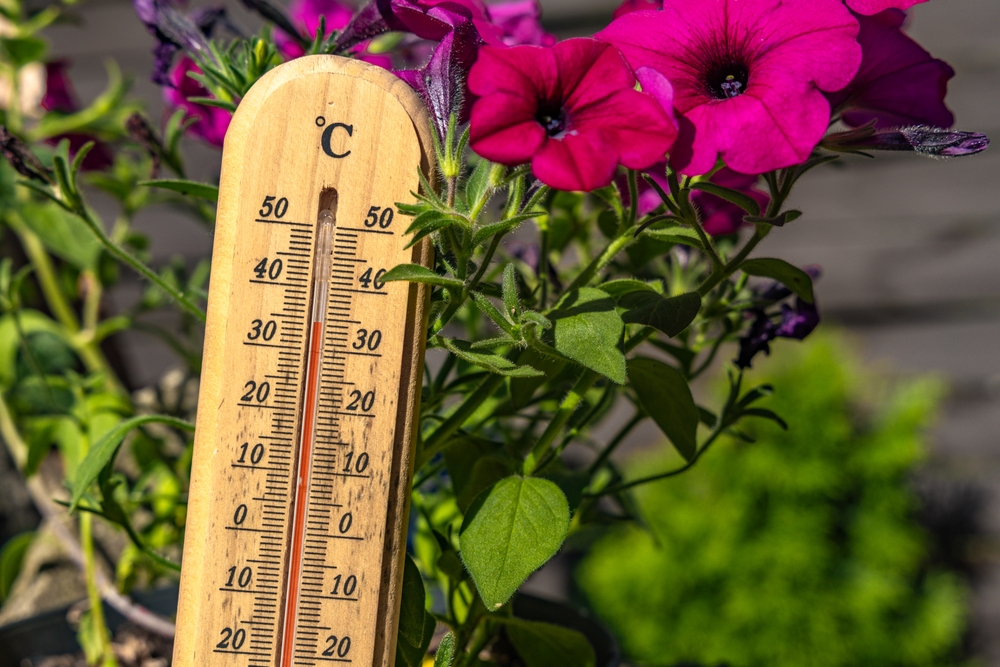
A stretch of hot summer weather can turn a beautiful garden into a stressful sight almost overnight. Plants that looked healthy and vibrant one day can suddenly wilt, scorch, and struggle when temperatures climb higher than normal. Many gardeners focus on watering more, but experts say that extreme heat creates several hidden problems that go far beyond dry soil.
This summer, gardening professionals across many regions have issued warnings about prolonged heat waves and their impact on flowers, vegetables, shrubs, and even established trees. The good news is that a few smart adjustments can make a major difference. Knowing what heat does to plants and how to respond quickly can help gardeners protect months of hard work while keeping landscapes productive and attractive through the hottest weeks of the season.
Heat Stress Can Damage Plants Faster Than Many Gardeners Realize
Extreme heat affects plants much like it affects people. When temperatures remain high for several days, plants lose moisture through their leaves at a rapid rate and often cannot replace it quickly enough through their roots. Even gardens that receive regular watering can show signs of stress during these conditions. Wilting, leaf curling, scorched edges, and dropped flowers often appear before gardeners realize a serious problem has developed. Some vegetables may even stop producing fruit as they focus their energy on basic survival.
Many gardeners assume a wilted plant simply needs more water, but that is not always the case. During intense heat, plant tissues can become damaged even when soil contains adequate moisture. Tomatoes may develop sunscald, lettuce can bolt quickly, and flowering annuals often stop blooming altogether. Heat stress also weakens plants, making them more vulnerable to pests and diseases that seize the opportunity to attack already struggling vegetation.
Midday Watering Mistakes Can Make Problems Worse
One of the most common mistakes during a heat wave involves watering at the wrong time of day. Gardeners often rush outside during the afternoon when plants look stressed, but much of that water evaporates before roots can fully absorb it. Hot soil and intense sunlight reduce watering efficiency and leave plants vulnerable to ongoing moisture loss. Experts generally recommend watering early in the morning when temperatures remain cooler and evaporation rates stay lower. This approach allows roots to absorb moisture before the heat of the day arrives.
Another issue involves shallow watering. A quick spray may temporarily improve appearances, but it often encourages roots to remain near the soil surface where temperatures are highest. Deep watering encourages stronger root systems that can access moisture farther below ground. Gardens that receive thorough, less frequent watering often perform better during heat waves than those that receive small amounts every day. Consistency matters far more than panic watering whenever plants appear stressed.
Mulch Becomes One of the Garden’s Best Defenses
When extreme heat arrives, mulch transforms from a decorative garden feature into a valuable protective tool. A layer of organic mulch helps regulate soil temperatures and reduces moisture loss from evaporation. Without protection, exposed soil can heat up dramatically under direct sunlight, creating difficult conditions for roots. Mulch acts like insulation, helping maintain a more stable environment below the surface.
Wood chips, shredded bark, straw, and compost all provide useful protection when applied correctly. A layer several inches deep around vegetables, flowers, shrubs, and trees helps conserve moisture while reducing weed competition. Weeds steal water that garden plants desperately need during hot weather. Many experienced gardeners notice significant differences between mulched and unmulched areas after several days of extreme heat. Plants growing under mulch often maintain better vigor and recover more quickly from stressful conditions.
Containers Face Special Risks During Heat Waves
Container gardens bring color and convenience to patios, decks, and balconies, but they also face unique challenges when temperatures soar. Soil inside containers heats up much faster than soil in the ground. Smaller pots become especially vulnerable because they hold less moisture and provide less insulation for roots. A container that dries out completely during a heat wave can leave plants severely stressed within hours.
Moving containers to locations with afternoon shade can provide immediate relief. Grouping pots together also helps create a slightly cooler microclimate that slows moisture loss. Gardeners should check containers at least once daily during extreme heat and sometimes twice on particularly hot days. Self-watering containers and larger pots often perform better because they provide more consistent moisture. Paying close attention to container gardens during heat waves can prevent losses that happen surprisingly fast.
Trees and Shrubs Need Attention Too
Many homeowners focus heavily on flowers and vegetables while assuming established trees and shrubs can handle whatever summer brings. Unfortunately, prolonged extreme heat places stress on woody plants as well. Newly planted trees face the greatest risk because their root systems have not yet expanded deeply into surrounding soil. Even mature trees can experience stress when hot temperatures combine with drought conditions.
Signs of trouble may include leaf drop, browning foliage, and branch dieback. Deep watering around the root zone often provides far greater benefits than frequent shallow irrigation. Trees and shrubs represent significant investments in a landscape, so protecting them during heat waves deserves attention. Damage from one severe summer may not become fully visible until months later, making preventative care especially important when forecasts predict extended periods of unusually high temperatures.
A Smarter Strategy Beats Fighting the Heat
Gardening during extreme summer heat requires flexibility and observation rather than routine maintenance. Conditions can change quickly, and plants often provide early warning signs when they need help. Gardeners who monitor soil moisture, apply mulch, water deeply, and adjust care practices during heat waves place themselves in the best position for success. Small actions taken early often prevent much larger problems later.
Summer heat does not have to spell disaster for a garden. By recognizing the risks experts continue to highlight and responding proactively, gardeners can protect vegetables, flowers, shrubs, and trees from unnecessary stress. A little preparation today can help keep landscapes healthier, more productive, and far more attractive throughout the hottest part of the season.
What steps have helped your garden handle extreme summer heat, and have you noticed any surprising heat-related challenges this year?
You May Also Like…
10 Flowers That Bloom Even During Extreme Heat
10 Plants That Can Survive Brutal Southern Summers
7 Summer Plants That Attract Hummingbirds Almost Instantly
7 Cool-Night Tolerant Picks That Handle Temperature Drops
The Summer Gardening Shortcut Retirees Say Saves Them Hours Every Week

Brandon Marcus is a staff writer for FrugalGardening.com at District Media, Inc., where he delivers practical gardening advice with a relatable, no-nonsense style. An avid amateur gardener, he holds a BA degree and with over ten years of professional writing experience, he is also an award-winning published author whose first book, Questions For Deep Thinkers, was released by Adams Media. His work has appeared in major publications including Fandom.com, CHUD.com, TheColdWire.com, and Fansided.com.
Leave a Reply