A heatwave can turn a beautiful garden into a stressful emergency in just a few days. One week, plants look lush and productive. The next, leaves droop, flowers fade, and vegetables struggle to keep up with the relentless sun. Gardeners who consistently grow healthy plants know that preparation matters far more than scrambling to fix damage afterward.
The good news is that experienced gardeners rarely rely on luck when temperatures start climbing. They follow a handful of practical habits that help plants stay healthier, conserve moisture, and withstand challenging conditions.
1. Water Deeply Before the Heat Arrives
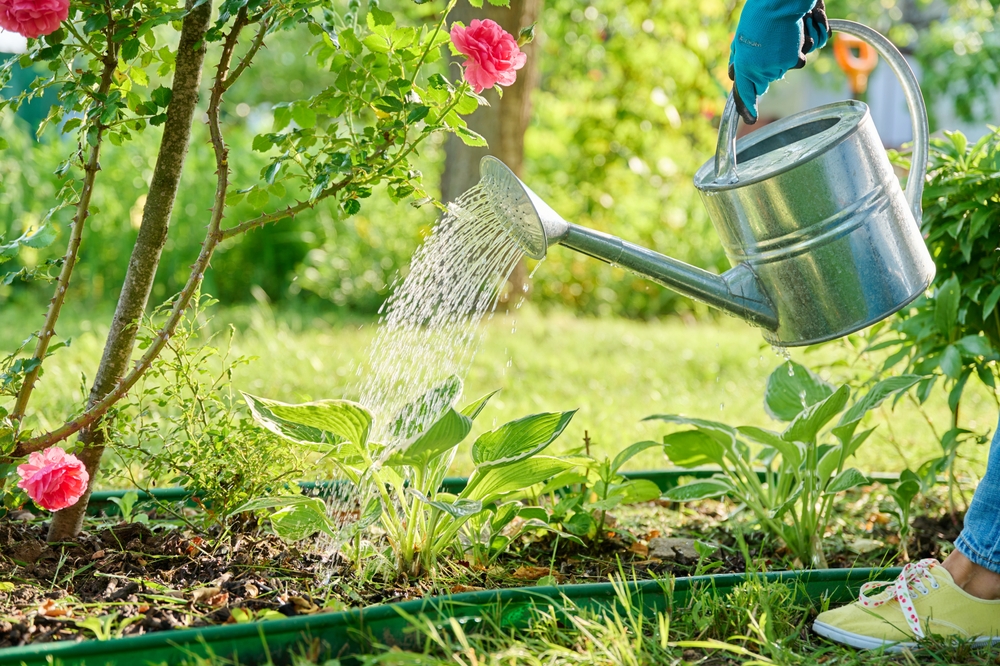
Successful gardeners never wait until plants start wilting before reaching for the hose. They give gardens a deep soaking a day or two before extreme temperatures settle in. Deep watering encourages roots to grow farther into the soil, where moisture remains available longer.
A shallow sprinkle often creates more problems than solutions. Surface roots become dependent on frequent watering and struggle when conditions become hot and dry. A thorough soaking allows water to penetrate deeply, helping plants access reserves during the hottest part of the week. Gardeners often focus extra attention on newly planted flowers, vegetables, shrubs, and containers because these areas dry out the fastest.
2. Add a Fresh Layer of Mulch
Mulch acts like a protective blanket for garden soil. Before a heatwave arrives, experienced gardeners inspect their mulch and add more where needed. Organic materials such as shredded bark, straw, leaves, or compost help reduce moisture loss and keep soil temperatures more stable.
Bare soil heats up quickly under direct sunlight. As temperatures climb, moisture evaporates faster, leaving plants under additional stress. A generous layer of mulch slows evaporation and reduces the need for constant watering. Many gardeners notice that mulched beds remain noticeably cooler than uncovered areas even during the hottest afternoons.
3. Harvest Mature Produce Early
Seasoned vegetable gardeners often walk through the garden before a heatwave and pick anything ready for harvest. Tomatoes, cucumbers, peppers, beans, and squash can suffer quality issues when exposed to prolonged extreme heat. Removing mature produce also allows plants to focus energy on staying healthy.
Heat can cause vegetables to become tough, split, or develop sun damage. Harvesting early protects the crop and reduces unnecessary strain on the plant. Gardeners frequently discover that regular harvesting encourages continued production once temperatures return to normal. A basket of fresh vegetables is also a rewarding reminder that preparation pays off.
4. Create Temporary Shade for Vulnerable Plants
Even sun-loving plants can struggle during periods of intense heat. Successful gardeners often set up temporary shade cloths, patio umbrellas, old sheets, or lightweight garden fabric to reduce afternoon sun exposure. The goal is not to eliminate sunlight but to soften its harshest effects.
Container plants, leafy greens, and newly planted flowers benefit especially from extra protection. Direct afternoon sun can scorch leaves and accelerate moisture loss. Gardeners who provide temporary shade often notice fewer burned leaves and less wilting. This simple step can buy valuable time during a multi-day heat event.
5. Remove Weeds Before Temperatures Spike
Weeds compete aggressively for water, nutrients, and space. Before a heatwave begins, experienced gardeners pull as many weeds as possible. Every unwanted plant removed means more resources remain available for vegetables, flowers, and shrubs.
Weeds can become surprisingly thirsty during hot weather. They often absorb moisture that garden plants desperately need to survive. Removing them before extreme heat arrives reduces competition and improves airflow around desirable plants. This quick task frequently produces benefits that last throughout the heatwave.
6. Delay Fertilizing Until Cooler Weather Returns
Many gardeners assume fertilizer helps stressed plants. Successful gardeners know the opposite often proves true during a heatwave. Fertilizing encourages fresh growth, and tender new leaves require extra water to develop properly.
When temperatures soar, plants naturally shift into survival mode. Pushing rapid growth during this period can create additional stress. Experienced gardeners usually wait until temperatures moderate before applying fertilizer. Allowing plants to focus on maintaining existing growth gives them a better chance of staying healthy through challenging conditions.
7. Check Containers and Hanging Baskets Carefully
Containers dry out much faster than garden beds. Smart gardeners inspect pots, window boxes, and hanging baskets before a heatwave arrives. They water thoroughly and move portable containers to locations with afternoon shade whenever possible.
A plant growing in a container has limited access to moisture compared to one growing in the ground. Hot temperatures, wind, and reflected heat from patios can dry pots quickly. Gardeners often group containers together to create a slightly cooler microclimate and reduce water loss. This small adjustment can dramatically improve plant performance during extreme heat.
8. Inspect Irrigation Systems Before They Are Needed
Nothing creates panic faster than discovering a broken sprinkler or clogged drip line during the hottest week of summer. Successful gardeners test irrigation systems before temperatures climb. They check hoses, timers, emitters, and sprinklers to make sure everything functions properly.
A quick inspection helps identify leaks, damaged connections, or uneven watering patterns. Gardeners can fix problems while conditions remain manageable rather than scrambling during a heat emergency. Reliable irrigation provides peace of mind and helps ensure plants receive consistent moisture when they need it most.
The Secret Is Preparation, Not Panic
The healthiest gardens rarely happen by accident. They benefit from small, thoughtful actions taken before problems develop. Deep watering, mulching, harvesting, shading, weeding, postponing fertilizer, protecting containers, and checking irrigation all work together to reduce stress when temperatures soar.
Which of these heatwave-preparation strategies has worked best in your garden, and is there another tip you always rely on when hot weather is in the forecast?
You May Also Like…
10 Flowers That Bloom Even During Extreme Heat
10 Plants That Can Survive Brutal Southern Summers
7 Summer Plants That Attract Hummingbirds Almost Instantly
6 Heat-Resistant Options That Hold Up as Temperatures Climb
10 Vegetables That Actually Thrive During Brutal Heat Waves

Brandon Marcus is a staff writer for FrugalGardening.com at District Media, Inc., where he delivers practical gardening advice with a relatable, no-nonsense style. An avid amateur gardener, he holds a BA degree and with over ten years of professional writing experience, he is also an award-winning published author whose first book, Questions For Deep Thinkers, was released by Adams Media. His work has appeared in major publications including Fandom.com, CHUD.com, TheColdWire.com, and Fansided.com.
Leave a Reply