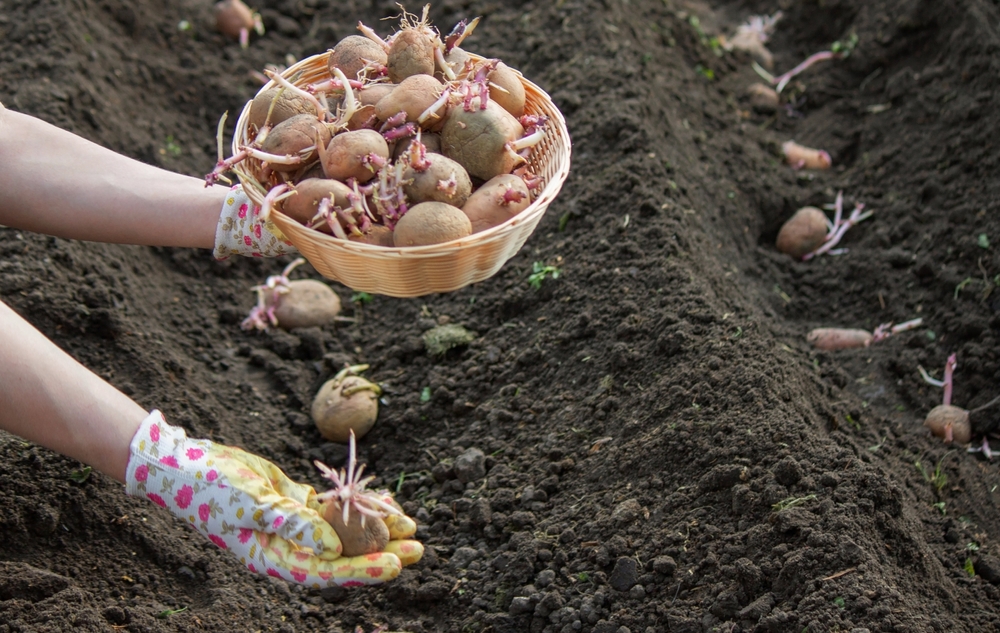
A quiet shift has started in backyards, community gardens, and even tiny raised beds. More families now fill their gardens with dependable crops that produce plenty of food instead of focusing only on colorful flowers or trendy vegetables. Grocery prices, unpredictable weather, and a growing interest in practical skills have inspired many people to revisit gardening habits that previous generations considered perfectly normal.
The idea sounds old-fashioned, yet it fits modern life surprisingly well. A handful of carefully chosen crops can supply meals for months, reduce grocery bills, and create a deeper appreciation for seasonal food. Best of all, these plants often ask for less fuss than many popular garden favorites while rewarding gardeners with generous harvests.
What Makes a Crop a “Survival Crop”?
A survival crop earns its reputation by producing a dependable harvest that stores well and delivers plenty of calories or nutrition. Potatoes, dry beans, winter squash, corn, onions, carrots, and sweet potatoes have filled this role for generations because they provide real meals instead of just a garnish. Many of these crops continue producing even when the growing season throws a few surprises, provided gardeners give them healthy soil, consistent watering, and proper spacing. They also offer flexibility in the kitchen because families can roast, boil, bake, freeze, dry, or preserve them in several different ways.
The name sometimes creates the wrong impression because these vegetables do not belong only in emergency gardens. They fit perfectly into ordinary family gardens where practical harvests matter just as much as fresh flavor. Gardeners often discover that a few rows of potatoes or a patch of bush beans deliver far more food than expected. That sense of abundance explains why these traditional crops continue making a strong comeback.
Rising Grocery Bills Changed the Gardening Conversation
Many people originally started gardening to enjoy fresher produce, but saving money has become an increasingly important motivation. Families naturally look for vegetables that produce large harvests from relatively small spaces, making survival crops an attractive choice. A single planting of potatoes, beans, or winter squash can provide enough food to stretch across many meals, especially when gardeners preserve part of the harvest for later use. Every basket carried indoors feels like one less trip to the grocery store.
This practical approach also encourages smarter planning before seeds even touch the soil. Instead of filling every corner with vegetables that everyone samples once, families often choose crops they actually cook every week. That simple change transforms a garden from a hobby into a working pantry. The harvest becomes something people rely on rather than simply admire.
Modern Gardens Still Benefit From Old-Fashioned Wisdom
Many experienced gardeners smile when they hear younger families talk about survival crops because grandparents rarely called them anything special. They simply grew what fed the household, stored well through winter, and produced dependable harvests year after year. Those practical lessons still work today because the plants have not changed nearly as much as shopping habits have. Reliable varieties continue rewarding gardeners who prepare healthy soil, rotate crops, and keep weeds under control.
Modern techniques make the process even easier. Raised beds improve drainage, drip irrigation saves water, and better disease-resistant varieties reduce common frustrations. Gardeners can also pair traditional crops with newer favorites, creating gardens that balance productivity with variety. A patch of potatoes fits comfortably beside tomatoes, herbs, peppers, and flowers that attract pollinators.
Success Starts With Smart Crop Choices
New gardeners sometimes make the mistake of planting every vegetable that catches their attention at the garden center. A more successful strategy begins with crops that match local growing conditions, available space, and family eating habits. Potatoes reward cool-season gardeners, while sweet potatoes excel in warmer climates with long summers. Dry beans store beautifully after harvest, while winter squash often keeps for several months in a cool, dry location when cured properly.
Planning also includes thinking beyond harvest day. Gardeners should consider where stored vegetables will spend the winter and whether freezing, drying, or canning fits their household routine. Healthy soil enriched with compost gives these crops an excellent start, while regular watering during dry periods encourages consistent growth. Simple preparation early in the season often prevents disappointment later.
A Garden That Feeds More Than the Table
Growing survival crops delivers something that rarely appears on a grocery receipt. Children learn where food comes from, neighbors exchange gardening advice over backyard fences, and families celebrate harvest days together instead of treating vegetables as anonymous products wrapped in plastic. Digging potatoes or picking beans creates memories that often last much longer than the meal itself. The garden becomes a place where practical skills quietly pass from one generation to the next.
These gardens also remind people that resilience grows one seed at a time. No backyard eliminates every grocery trip, but each successful harvest adds confidence and valuable experience. Gardeners gain a better sense of seasonal rhythms, weather patterns, and the effort behind every meal. Those lessons remain valuable whether food prices rise or fall in the years ahead.
The Humble Garden Keeps Proving Its Worth
The renewed interest in survival crops has very little to do with fear and everything to do with preparation, practicality, and satisfaction. Families appreciate vegetables that fill the pantry, store well, and turn simple meals into hearty dinners without demanding endless attention in the garden. A carefully planned plot packed with reliable crops offers food, confidence, and a rewarding connection to the growing season all at once.
Which survival crop has earned a permanent place in your garden, or which one would be your first choice for next season?
You May Also Like…
9 Easy Crops That Grow Surprisingly Well in Buckets
8 Crops That Keep Producing All Summer Long
Why Backyard Gardening Is Becoming a Retirement Hobby Boom
9 Garden Layout Mistakes Beginners Always Regret
8 Backyard Ideas That Add Charm Without Spending Much Money

Brandon Marcus is a staff writer for FrugalGardening.com at District Media, Inc., where he delivers practical gardening advice with a relatable, no-nonsense style. An avid amateur gardener, he holds a BA degree and with over ten years of professional writing experience, he is also an award-winning published author whose first book, Questions For Deep Thinkers, was released by Adams Media. His work has appeared in major publications including Fandom.com, CHUD.com, TheColdWire.com, and Fansided.com.
Leave a Reply