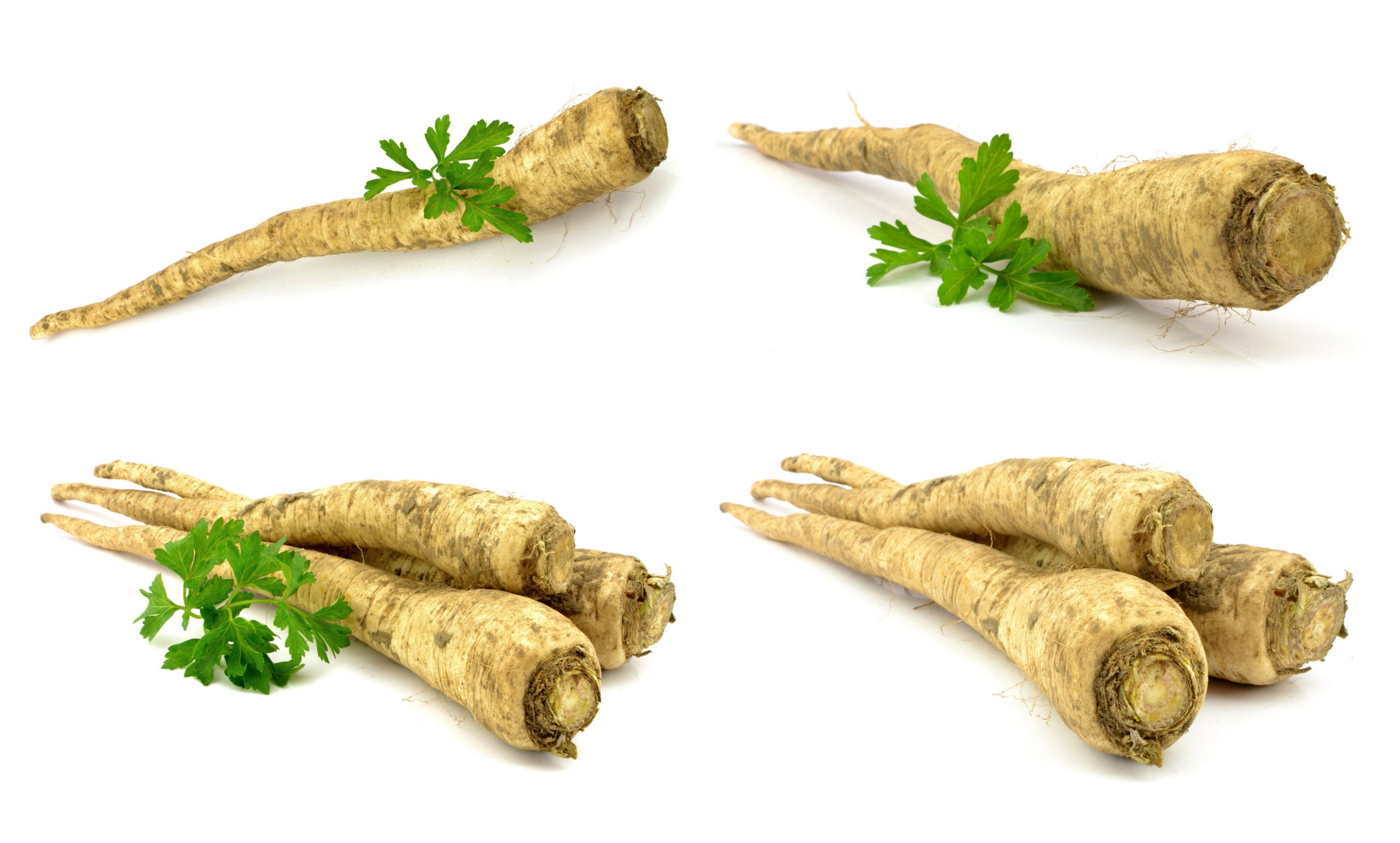
Most people assume gardening season ends when the weather cools down, but here’s a secret: herbs love a chill. While some plants wilt at the first sign of a breeze, others come alive when the temperatures dip. Cooler weather herbs are hardy, flavorful, and often easier to manage because they don’t bolt, scorch, or demand endless watering. Imagine harvesting fresh, aromatic sprigs while everyone else packs away their gardening tools.
Ready to meet your cold-weather heroes? Let’s dig into 12 herbs that thrive when the thermometer takes a dip.
1. Parsley
Parsley may look delicate, but it’s surprisingly tough when the cold sets in. This versatile herb actually prefers cooler weather, producing lush leaves that stay green longer into the season. In warmer months, parsley tends to bolt, but chilly air keeps it calm and productive. Flat-leaf and curly varieties both handle lower temperatures well, making them a staple for fall and early spring gardens. With parsley on hand, soups, salads, and roasted veggies instantly feel fresher.
2. Cilantro
Love it or hate it, cilantro is a cool-weather champion. This herb despises hot summers but thrives in crisp autumn or early spring air. Its leaves are fragrant, citrusy, and perfect for adding zing to tacos, curries, and salsas. When grown in cooler temps, cilantro produces tender leaves for longer without rushing to flower. If you’ve ever struggled with cilantro in summer, you’ll be shocked at how happy it looks in a chill.
3. Chives
Chives are the cool-weather MVPs of the garden world. These oniony, garlicky shoots bounce back year after year and don’t mind a little frost. Their mild flavor makes them perfect for sprinkling over baked potatoes, soups, or scrambled eggs. Cooler weather actually intensifies their growth cycle, keeping them strong and fresh well into late fall. Plus, when they bloom, their purple flowers look like tiny fireworks in your garden.
4. Thyme
Thyme doesn’t just tolerate cooler temperatures—it thrives in them. This woody perennial is practically indestructible once established, and it’s known for toughing it out through frosty mornings. Its earthy, lemony taste pairs beautifully with roasted meats, stews, and even homemade bread. Because thyme grows low and spreads easily, it doubles as a ground cover. Bonus: it’s one of those herbs that gets even more aromatic after a chill.
5. Sage
Sage feels like autumn in herb form, and fortunately, it loves cooler weather. Its silvery, velvety leaves look stunning in the garden while adding savory depth to stuffing, soups, and roasted vegetables. Once temperatures drop, sage leaves become even more flavorful and robust. This herb is a perennial, meaning it sticks around year after year if you treat it well. Nothing says “fall cooking” like fresh sage sizzling in butter.
6. Mint
Mint is like that friend who thrives anywhere, anytime—but cooler temperatures make it especially happy. While it can spread like wildfire, mint remains lush and aromatic when other herbs start fading. Its bright, refreshing flavor perks up teas, desserts, and even cocktails. Cold snaps slow its aggressive growth, making it easier to manage. Growing mint in cooler seasons means you get the flavor without the chaos.
7. Dill
Dill and cool weather are a match made in gardening heaven. This feathery, fragrant herb bolts quickly in heat, but in the chill it stays tender and flavorful. Perfect for pickling, fish dishes, and creamy dips, dill thrives in spring and fall gardens. Its tall, wispy growth adds charm to any herb patch while inviting pollinators. If you’ve ever wanted endless pickles, start planting dill in the cool season.
8. Oregano
Oregano is a tough little plant that doesn’t flinch at cool weather. Known for its bold, peppery taste, it’s a must-have in pizza sauces, pasta dishes, and marinades. In fact, cooler temperatures concentrate its oils, making its flavor even stronger. This perennial spreads quickly and is happiest in well-drained soil, even as temperatures dip. With oregano in your garden, Italian night just got a major upgrade.

9. Tarragon
Tarragon might not be everyone’s go-to herb, but it shines in cooler weather. Its licorice-like flavor pairs beautifully with chicken, eggs, and creamy sauces. This perennial herb actually prefers cooler soil and grows best when summer heat isn’t overwhelming it. Plant it in fall or early spring, and you’ll be rewarded with tender shoots. French cuisine fans will be especially thrilled to keep tarragon thriving in the cold.
10. Lemon Balm
Lemon balm is part of the mint family, and like its cousin, it thrives when temperatures cool down. With its bright, lemony fragrance, it’s perfect for teas, baked goods, and garnishes. Cooler weather keeps lemon balm fresh and vibrant, preventing it from wilting in the heat. It’s also a natural pollinator magnet, attracting bees while boosting your garden’s ecosystem. If you love calming teas, this herb is a must for fall.
11. Fennel
Fennel’s feathery fronds and bulb-like base make it both beautiful and practical. While the bulb is often eaten, the fronds can be harvested as a flavorful herb with a slight anise flavor. Cooler temperatures bring out the best in fennel, keeping it tender and crisp. In fact, fennel planted in fall often produces sweeter, juicier bulbs than summer crops. It’s a gardener’s dream for both looks and taste.
12. Rosemary
Rosemary is the grand finale of cool-weather herbs. This evergreen shrub laughs in the face of chilly breezes, staying fragrant and productive year-round in many regions. Its piney aroma and robust flavor make it perfect for roasted meats, bread, and even cocktails. Rosemary thrives in cooler temperatures, especially when summers are too intense. Keep it in a pot or garden bed, and you’ll have fresh sprigs through fall and beyond.
Chill Out and Grow Big Flavor
Who says herbs only belong in summer gardens? From parsley to rosemary, plenty of flavorful herbs thrive in cooler temperatures, rewarding gardeners with fresh ingredients long after the heat fades. Growing these cold-loving plants not only expands your gardening season but also enhances your cooking with bold, fresh flavors. So grab your gloves, head outside, and plant something green this fall or early spring.
Have you grown herbs in cooler weather? Share your tips, successes, or funny gardening stories in the comments below!
You May Also Like…
Love Cooking? Here’s How Growing Herbs Indoors Can Change Your Kitchen Game
Grow Your Own Herbs: 7 Must-Have Amazon Products for a Budget-Friendly Herb Garden
7 Fall Flowers That Outshine Summer Blooms
Here’s How To Build A Garden Fence For Your Herbs and Vegetables
9 Vegetables You Should Still Plant in October

Brandon Marcus is a staff writer for FrugalGardening.com at District Media, Inc., where he delivers practical gardening advice with a relatable, no-nonsense style. An avid amateur gardener, he holds a BA degree and with over ten years of professional writing experience, he is also an award-winning published author whose first book, Questions For Deep Thinkers, was released by Adams Media. His work has appeared in major publications including Fandom.com, CHUD.com, TheColdWire.com, and Fansided.com.
Leave a Reply