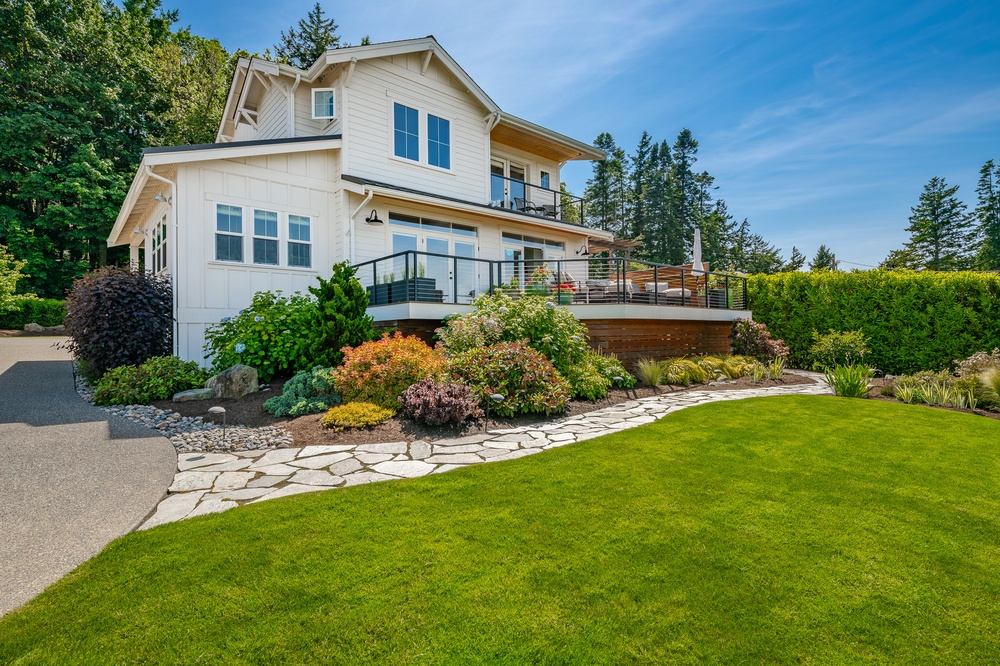
Front yards are changing in a big way, and edible plants are stepping into the spotlight where shrubs used to dominate. Homeowners want more than decoration, and they want landscapes that give something back in return. Fresh herbs near the walkway, berry bushes along the fence, and compact vegetables in decorative beds now fill spaces once reserved for purely ornamental greenery.
This shift blends beauty with purpose in a way that feels both practical and rewarding. Gardens now serve as outdoor kitchens, snack stations, and design statements all at once.
Why Edible Landscaping Is Taking Over Front Yards
Edible landscaping continues to gain popularity because homeowners want gardens that do more than just sit there looking pretty. Fresh basil near the porch or strawberries along the edge of a walkway adds both charm and usefulness. People enjoy stepping outside and harvesting ingredients instead of driving to a store for small items. This approach turns everyday spaces into productive extensions of the kitchen.
Designers also notice how edible plants create texture, color, and movement in yards. Kale adds bold structure, while cherry tomatoes bring bright pops of red that catch the eye. Many homeowners appreciate how these plants shift with the seasons, offering a constantly evolving look. Beauty and practicality now share the same garden beds without competing for attention.
The Hidden Costs of Ornamental Shrubs
Ornamental shrubs often require regular trimming, fertilizing, and replacement when they outgrow their space. Many homeowners realize they spend money maintaining plants that never produce food or tangible value. Watering schedules, pest treatments, and pruning tools also add up over time. These maintenance needs make shrubs less appealing compared to productive alternatives.
Edible plants often reduce waste in both effort and space because they serve multiple roles. A blueberry bush can provide shade, structure, and fruit at the same time. Homeowners begin to see landscaping through a return-on-effort lens instead of a purely decorative one. That mindset shift pushes shrubs out and brings edible greenery in.
Herbs That Replace Traditional Hedges
Herbs now replace traditional hedges in many yards because they offer fragrance, flavor, and flexibility. Rosemary grows into dense, attractive shapes that line walkways with a Mediterranean feel. Lavender adds soft purple color while also drawing pollinators that support the entire garden. Thyme spreads low and wide, creating living borders that release scent when brushed.
These herb hedges also give homeowners constant access to fresh ingredients for cooking. Snipping a few sprigs of rosemary or basil takes seconds and adds real value to meals. Unlike static shrubs, herbs encourage interaction and daily use. That interaction turns landscaping into an active part of home life.
Fruit Bushes That Double as Privacy Screens
Fruit bushes now replace tall shrubs because they create privacy while producing edible harvests. Raspberry and blackberry canes grow thick and dense, forming natural green walls. Blueberry bushes also build height and structure while offering seasonal fruit. Homeowners appreciate how these plants solve multiple design challenges at once.
These living screens also change throughout the year, keeping landscapes visually interesting. Blossoms appear in spring, fruit develops in summer, and foliage shifts in fall. Birds and pollinators visit often, adding movement and life to the yard. Privacy no longer means boring greenery with no purpose.
Vegetable Gardens That Look Surprisingly Stylish
Vegetable gardens now take center stage in front yards because design has become just as important as production. Raised beds arranged in geometric patterns create a clean and organized appearance. Lettuce, chard, and peppers add layers of color and texture that rival ornamental flowers. Homeowners now treat vegetables as design elements rather than hidden crops.
Careful planning makes these gardens look intentional instead of improvised. Pathways between beds guide the eye and create structure across the space. Companion planting adds variety while supporting plant health and growth. The result blends functionality with strong visual appeal.
Low-Maintenance Edible Plants for Busy Homeowners
Busy homeowners gravitate toward edible plants that require less attention than traditional shrubs. Mint grows aggressively and fills spaces quickly without demanding constant care. Chives return each year with minimal effort and provide steady flavor for cooking. Swiss chard offers both ornamental beauty and steady harvests throughout the season.
These plants reduce the need for frequent trimming or complicated upkeep routines. Many edible varieties adapt well to different soil types and weather conditions. That adaptability makes them ideal for people balancing work, family, and home maintenance. Gardening becomes easier to maintain while still delivering rewards.
Common Mistakes When Replacing Shrubs
Homeowners sometimes replace shrubs without planning for spacing or sunlight needs. Crowding edible plants leads to poor growth and reduced harvests. Ignoring mature plant size also creates cluttered and uneven landscapes. Careful layout planning prevents these issues before they start.
Another mistake involves choosing plants that do not match local growing conditions. Some edible plants struggle in certain climates without proper support or care. Soil preparation also plays a major role in long-term success. A thoughtful approach creates healthier gardens and stronger results.
How to Transition Without Losing Curb Appeal
Transitioning from shrubs to edible plants works best when homeowners blend both styles during the change. Mixing herbs with existing greenery helps maintain structure while introducing new functions. Strategic placement of colorful vegetables keeps the yard attractive throughout the season. Gradual changes avoid the empty look that can come from removing too much at once.
What edible plant would fit best into a front yard redesign in your area? Let’s hear about it below!
You May Also Like…
Why More Americans Are Creating Edible Landscapes
10 Cheap Plants That Make Your Yard Look Professionally Landscaped
Why So Many Gardeners Are Ditching Traditional Lawns in 2026
The 7 Most Heat-Tolerant Plants for Busy Gardeners
The Gardening Trend Younger Homeowners Are Bringing Back From the 1970s

Brandon Marcus is a staff writer for FrugalGardening.com at District Media, Inc., where he delivers practical gardening advice with a relatable, no-nonsense style. An avid amateur gardener, he holds a BA degree and with over ten years of professional writing experience, he is also an award-winning published author whose first book, Questions For Deep Thinkers, was released by Adams Media. His work has appeared in major publications including Fandom.com, CHUD.com, TheColdWire.com, and Fansided.com.
Leave a Reply