When summer heat pushes past comfortable limits, gardens can quickly shift from lively ecosystems into silent, stressed spaces. Pollinators like bees, butterflies, and hummingbirds struggle to find nectar when flowers wilt or dry out too quickly. Smart gardeners can change that outcome by planting species that keep blooming through intense heat waves. These resilient plants don’t just survive hot spells—they keep feeding the insects and birds that keep ecosystems running. A heat-smart garden creates a reliable refuge when natural food sources start disappearing.
Building a pollinator-friendly heat garden does not require a huge yard or complicated setup. Even small containers, balcony boxes, or narrow garden beds can support a steady flow of nectar-rich blooms. The key lies in choosing plants that handle dry soil, intense sun, and long stretches without rain. These choices help maintain color, fragrance, and food sources when many other plants fade. The following seven plants offer strong performance and dependable support for pollinators during extreme heat.
1. Blanket Flower (Gaillardia)
Blanket flower handles scorching sun without losing its bright, daisy-like blooms that attract bees and butterflies all day long. Its deep roots search for moisture underground, which helps it stay active even when surface soil dries out. Pollinators rely on its steady nectar production when other flowers shut down in heat waves. Gardeners appreciate how it continues to flower without constant watering or care. This plant creates a consistent feeding station in the hottest parts of summer.
Blanket flower works especially well in poor or sandy soils where other plants struggle to establish. Its long blooming season stretches from early summer into fall, offering extended support for pollinator populations. Many gardeners notice increased bee activity around it during peak afternoon heat. It pairs well with other drought-tolerant plants in mixed beds or wildflower patches. Its resilience makes it a reliable anchor plant in any heat-ready garden.
2. Lavender
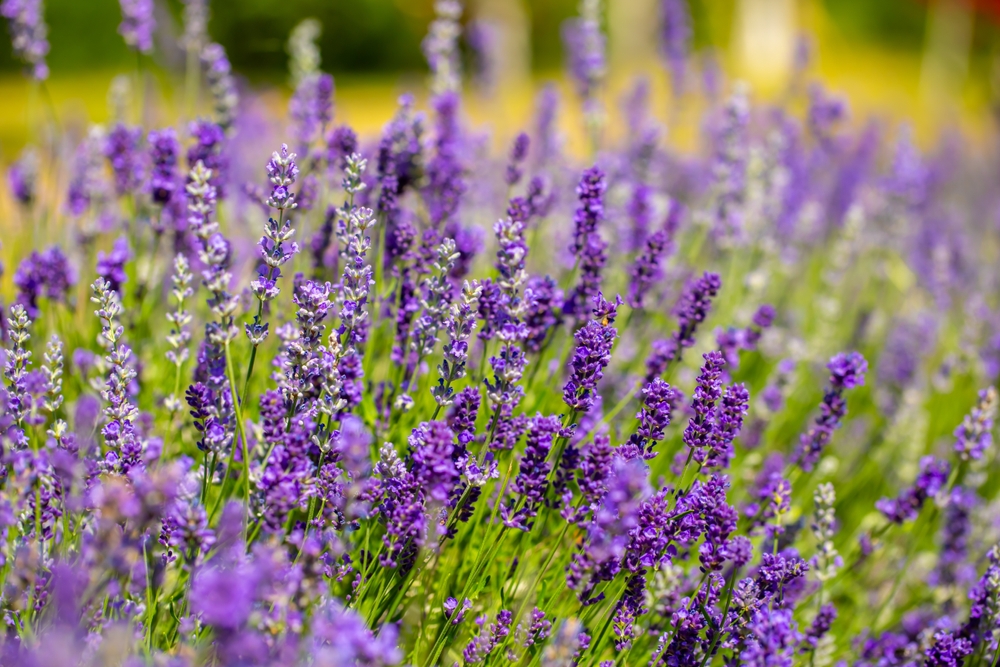
Lavender fills the garden with fragrance while offering pollinators a steady source of nectar even during dry spells. Bees flock to its purple spikes, especially when high temperatures limit other floral options. Its silvery foliage reduces water loss, allowing it to handle intense sun without constant irrigation. This plant prefers well-drained soil, which helps prevent stress during sudden heat surges. Lavender keeps pollinator traffic steady when many gardens go quiet.
Gardeners often use lavender to create borders or pathways that stay attractive all summer long. Its long-lasting blooms provide reliable feeding zones for bees during midday heat peaks. Butterflies also visit frequently, especially when clusters grow dense and mature. Lavender’s ability to handle drought conditions makes it a strong companion for water-conscious landscaping. It brings both beauty and ecological support to hot-weather gardens.
3. Coneflower (Echinacea)
Coneflower stands strong through heat waves while producing nectar-rich blooms that support bees and butterflies for weeks. Its upright petals make landing easy for pollinators searching for quick energy sources. Deep roots help it access moisture far below the soil surface, reducing stress during dry periods. This plant continues flowering even when temperatures rise beyond typical summer comfort zones. Coneflower becomes a dependable anchor when gardens face extreme weather.
Many gardeners plant coneflowers in clusters to create high-traffic pollinator zones. Birds also visit later in the season when seeds form, extending their ecological value. Its bold colors stand out in fading summer landscapes, keeping visual interest strong. The plant adapts well to prairies, borders, and naturalized garden spaces. Its steady performance makes it a favorite for pollinator-focused planting plans.
4. Bee Balm (Monarda)
Bee balm attracts a wide range of pollinators with its vibrant, tubular flowers that stay productive even in hot conditions. Hummingbirds especially rely on it when other nectar sources dry up. Its strong scent helps pollinators locate blooms quickly during busy foraging periods. When properly spaced, bee balm handles heat and maintains consistent flowering cycles. This plant turns any garden corner into a buzzing activity zone.
Gardeners often notice increased pollinator diversity when bee balm enters the landscape. It grows best with good air circulation, which helps it stay healthy during humid heat spells. Regular blooming cycles ensure a steady supply of nectar through summer peaks. Its tall structure adds vertical interest while supporting ecological balance. Bee balm plays a key role in maintaining pollinator movement during stressful weather.
5. Zinnia
Zinnias deliver nonstop color and nectar during the hottest months, making them a magnet for butterflies. Their wide blooms create easy access for pollinators that need quick feeding stops. Heat does not slow their flowering, especially when planted in full sun. Gardeners often use them to fill gaps in vegetable gardens or borders. Zinnias provide one of the most reliable summer feeding stations.
These flowers respond well to regular deadheading, which encourages more blooms throughout the season. Pollinators benefit from the continuous cycle of fresh flowers. Zinnias grow quickly from seed, making them ideal for fast garden upgrades. Their bold colors stand out even in dry, sun-baked landscapes. They bring consistent energy to pollinator gardens during peak heat.
6. Yarrow
Yarrow handles extreme heat with ease while offering flat clusters of tiny flowers that attract a wide range of pollinators. Its fern-like foliage reduces water loss, helping it stay active in dry soil. Bees and beneficial insects often gather on its broad flower heads for efficient feeding. This plant spreads steadily, creating natural patches that support biodiversity. Yarrow holds its own even when summer temperatures rise sharply.
Gardeners value yarrow for its low maintenance and strong resilience in tough conditions. It blends well with wildflower plantings and naturalized landscapes. Its blooms last for long periods, offering continuous nectar access. Pollinators benefit from its clustered structure, which allows efficient foraging. Yarrow strengthens any garden designed for heat endurance.
7. Sunflower
Sunflowers stand tall under intense heat while producing large nectar-rich blooms that attract bees in high numbers. Their broad flower heads provide both pollen and nectar in generous amounts. Deep root systems help them stay stable and productive during dry spells. Birds later feed on their seeds, extending their ecological role beyond pollinators. Sunflowers bring life and movement to hot summer gardens.
Gardeners often plant sunflowers in rows or clusters to create visible pollinator highways. Their height offers shade and structure for smaller plants nearby. Bees rely on them heavily during peak blooming periods. They grow quickly and respond well to direct sunlight, even in harsh conditions. Sunflowers anchor pollinator activity when temperatures climb.
A Heat-Resilient Garden That Keeps Pollinators Moving
A pollinator-friendly garden during extreme heat depends on plant selection that supports constant nectar flow. Each of these seven plants offers stability when weather conditions challenge traditional garden setups. Bees, butterflies, and hummingbirds gain reliable food sources when gardeners choose heat-tolerant species. These plants also reduce maintenance stress while improving biodiversity in small and large spaces alike. Thoughtful planting creates a steady lifeline for pollinators when they need it most.
What heat-tolerant plants have worked best in your garden, and which pollinators show up the most where you live?
You May Also Like…
7 Summer Plants That Attract Hummingbirds Almost Instantly
The Heatwave Gardening Mistake Experts Keep Warning About
7 Gardening Habits That Waste Money Every Summer
8 Flowers That Thrive During Triple-Digit Heat Waves
Companion Planting Cheat Sheet: Perfect Pairings That Boost Growth and Save Space

Brandon Marcus is a staff writer for FrugalGardening.com at District Media, Inc., where he delivers practical gardening advice with a relatable, no-nonsense style. An avid amateur gardener, he holds a BA degree and with over ten years of professional writing experience, he is also an award-winning published author whose first book, Questions For Deep Thinkers, was released by Adams Media. His work has appeared in major publications including Fandom.com, CHUD.com, TheColdWire.com, and Fansided.com.
Leave a Reply