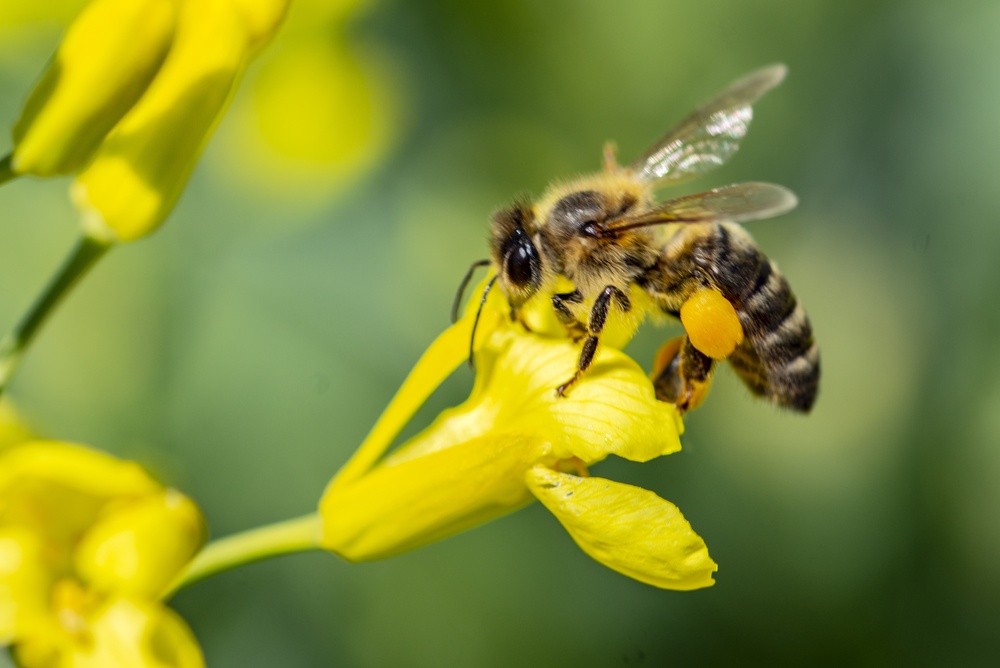
Pollinator gardens are popping up in front yards, community spaces, and even small apartment balconies across the country. These colorful plantings do more than look pretty because they actively support bees, butterflies, hummingbirds, and other essential pollinators. Homeowners now treat these gardens like living ecosystems that bring movement, sound, and life back into outdoor spaces. Interest continues to rise as more people notice fewer insects in traditional lawns. The shift signals a growing desire to replace sterile grass with vibrant, functional landscapes.
Many gardeners now view pollinator spaces as both practical and meaningful. These gardens create a direct connection between everyday outdoor living and the health of local ecosystems. Even beginners find success quickly because these gardens often rely on hardy, low-maintenance plants.
Why Pollinator Gardens Are Everywhere Right Now
Pollinator gardens surged in popularity because people want outdoor spaces that feel alive instead of artificial. Lawns often demand constant mowing, watering, and fertilizing, while pollinator gardens encourage a more relaxed and natural approach. Many homeowners enjoy watching bees dart between flowers or butterflies settle on bright blooms during warm afternoons. That sense of movement turns a simple yard into an ever-changing outdoor experience. The emotional connection to nature plays a huge role in this gardening shift.
Communities also promote these gardens through school programs, neighborhood projects, and city initiatives that highlight ecological balance. Garden centers now dedicate entire sections to pollinator-friendly plants, making it easier for beginners to get started. Social media adds fuel by showcasing colorful garden transformations that feel achievable for everyday homes. Even small spaces like balcony containers or raised beds can support pollinators effectively. This accessibility keeps interest growing across different regions and lifestyles.
What Makes Pollinator Gardens So Powerful For Home Landscapes
Pollinator gardens deliver more than visual appeal because they actively support biodiversity in local environments. Bees and butterflies rely on consistent nectar sources, and these gardens provide reliable feeding stations throughout the growing season. Birds also benefit from seeds and insects attracted to diverse plantings. Home landscapes become mini-ecosystems that support multiple species at once. That balance brings long-term ecological value to even the smallest yard.
These gardens also reduce the need for chemical fertilizers and pesticides because healthy ecosystems naturally regulate themselves. Many gardeners notice improved soil quality after introducing native plants that adapt well to local conditions. The design flexibility allows homeowners to create structured layouts or wild, meadow-like spaces depending on personal taste. Each garden reflects the personality of its creator while still serving an environmental purpose. That combination of beauty and function drives strong enthusiasm for pollinator-friendly landscaping.
Plants That Attract Bees, Butterflies, And Birds Without Fuss
Native wildflowers often lead the way in successful pollinator gardens because they evolved alongside local wildlife. Plants like coneflowers, black-eyed Susans, milkweed, and bee balm consistently draw bees and butterflies with minimal effort. These plants handle seasonal changes well and do not require constant attention to remain productive. Their bright colors and strong nectar production make them natural magnets for pollinators. Gardeners appreciate how quickly these plants establish themselves in different soil conditions.
Shrubs and perennials also play a major role in supporting pollinator populations throughout the year. Lavender, goldenrod, and asters extend food sources into different seasons, keeping gardens active longer. Birds often visit these spaces for seeds and insects, adding another layer of life to the landscape. Strategic planting ensures something always blooms, which keeps pollinators returning regularly. This steady cycle creates a reliable and rewarding outdoor environment.
Common Mistakes That Can Undermine A Pollinator Garden
One common mistake involves choosing ornamental plants that offer little to no nectar or pollen. Many store-bought flowers look attractive but fail to provide meaningful support for pollinators. Overusing pesticides also disrupts garden health and can harm the very insects the space intends to attract. Even small chemical applications can reduce bee activity significantly. Careful product selection helps protect the balance of the ecosystem.
Another issue arises when gardeners plant without considering bloom timing throughout the year. A garden filled with early bloomers but no late-season flowers leaves pollinators without resources. Overcrowding plants can also limit airflow and reduce plant health over time. Successful gardens rely on thoughtful spacing and seasonal planning. Attention to these details ensures the garden remains active, balanced, and inviting.
The Lasting Impact Of Pollinator Gardens On Everyday Spaces
Pollinator gardens reshape how outdoor spaces function by turning them into living, breathing environments that support wildlife and people at the same time. These gardens replace static lawns with dynamic plant communities that change through the seasons. Homeowners often notice increased wildlife activity, improved soil conditions, and a stronger sense of connection to nature. The transformation does not require large budgets or professional landscaping crews. It only requires intentional plant choices and a willingness to work with natural systems instead of against them.
What plants or garden ideas would make your backyard feel more alive and inviting? Tell us your thoughts below!
You May Also Like…
The Gardening Mistake That’s Drawing Rodents Into Backyards
Why Native Plants Are Taking Over American Yards
12 Native Plants That Establish Best in Autumn
7 Common Mulching Mistakes That Kill Plants Fast
Why More Homeowners Are Turning Their Lawns Into Pollinator Gardens

Brandon Marcus is a staff writer for FrugalGardening.com at District Media, Inc., where he delivers practical gardening advice with a relatable, no-nonsense style. An avid amateur gardener, he holds a BA degree and with over ten years of professional writing experience, he is also an award-winning published author whose first book, Questions For Deep Thinkers, was released by Adams Media. His work has appeared in major publications including Fandom.com, CHUD.com, TheColdWire.com, and Fansided.com.
Leave a Reply