A beautiful yard does not require a luxury budget, a professional landscaping crew, or truckloads of exotic plants. In fact, some of the most attractive gardens come from thoughtful planning, consistent maintenance, and a few smart design choices. On the flip side, certain gardening mistakes can make even an expensive landscape look neglected, cluttered, or downright cheap.
Most of these problems have easy fixes. Small changes can instantly improve curb appeal, create a more polished appearance, and make outdoor spaces feel inviting.
1. Planting Without A Plan
Many homeowners fall in love with plants at the garden center and buy them on impulse. While that approach feels exciting in the moment, it often creates a yard that looks random and disorganized. Plants with different heights, colors, and growth habits can quickly compete with one another instead of creating a cohesive design.
A better strategy starts with a simple plan. Group plants with similar colors, textures, and sizes together to create visual harmony. Repeating the same varieties throughout the landscape helps tie everything together and gives the yard a more intentional, professionally designed look.
2. Ignoring Edges And Borders
Nothing makes a garden bed look unfinished faster than messy edges. Grass that creeps into flower beds and mulch that spills onto walkways create a neglected appearance, even when the plants themselves look healthy. Crisp lines instantly signal care and attention.
Gardeners can dramatically improve their yard’s appearance with a simple edging tool and a little maintenance. Clean borders between lawns, flower beds, and pathways create structure and make every part of the landscape look more polished. This small detail often delivers one of the biggest visual upgrades.
3. Overcrowding Plants
Tiny nursery plants can make garden beds look empty, tempting gardeners to pack them closely together. Unfortunately, those plants rarely stay small. Within a few seasons, overcrowded beds can become tangled masses of foliage with poor airflow and little visual appeal.
Giving plants adequate room to mature creates a cleaner and healthier landscape. Proper spacing allows each plant to show off its natural shape while reducing disease problems. A well-spaced garden often looks far more expensive than one stuffed with too many plants.
4. Using Too Many Garden Decorations
Garden ornaments can add personality, but too many quickly create visual clutter. A yard filled with statues, signs, windmills, fountains, and decorative stakes can feel more like a storage display than a relaxing outdoor space. The eye struggles to find a focal point.
Instead, choose a few standout pieces and let them shine. One attractive birdbath, a tasteful bench, or a decorative container often creates a stronger impact than a dozen competing accessories. Restraint usually delivers a more sophisticated result.
5. Neglecting Mulch Maintenance
Fresh mulch gives garden beds a neat, finished appearance. Over time, however, mulch fades, breaks down, and shifts out of place. Thin, patchy mulch can make even well-maintained beds appear tired and neglected.
Refreshing mulch annually keeps landscapes looking clean and cared for. A consistent layer helps suppress weeds, retain moisture, and unify planting areas. Choosing natural-looking mulch colors often creates a more upscale appearance than brightly dyed options.
6. Letting Weeds Take Over
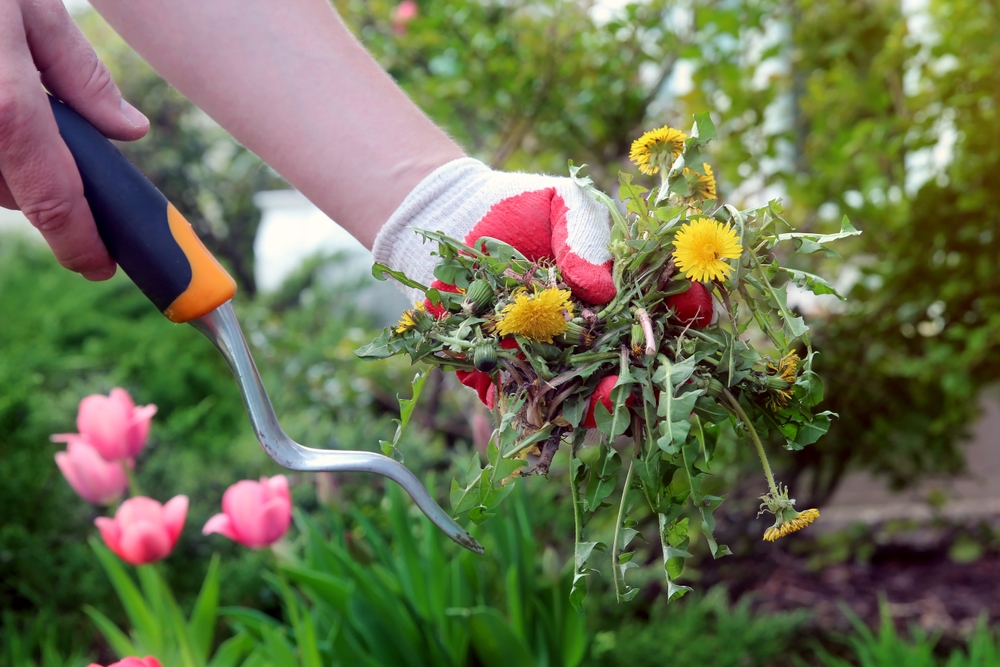
Weeds send a clear message that a garden lacks attention. Even a few scattered weeds can distract from beautiful flowers and healthy shrubs. Once weeds gain a foothold, they spread quickly and compete with desirable plants for water and nutrients.
Regular weeding prevents small problems from becoming major headaches. Spending a few minutes each week pulling weeds keeps garden beds looking tidy year-round. Consistency matters much more than occasional marathon cleanup sessions.
7. Creating A Lawn With Bare Patches
A patchy lawn can make an entire property look neglected. Brown spots, thinning grass, and worn pathways draw attention for all the wrong reasons. Even beautiful flower beds struggle to compensate for a lawn that appears unhealthy.
Addressing lawn issues early often produces the best results. Overseeding thin areas, correcting watering problems, and improving soil conditions can restore a fuller appearance. A healthy lawn provides an attractive backdrop that enhances every other part of the landscape.
8. Choosing The Wrong Plant For The Location
Plants that struggle in the wrong environment rarely look their best. Sun-loving flowers placed in deep shade become weak and sparse, while shade plants often scorch when exposed to intense afternoon sunlight. These mismatches create a stressed and unattractive garden.
Successful gardeners match plants to existing conditions rather than fighting nature. Paying attention to sunlight, soil type, and moisture levels helps plants grow vigorously and maintain an attractive appearance. Healthy plants always contribute more to curb appeal than high-maintenance ones.
9. Forgetting Seasonal Interest
Some yards look fantastic for a few weeks and then fade into boredom for the rest of the year. A landscape that lacks seasonal variety can appear lifeless once spring blooms disappear. Empty beds and dormant plants leave large visual gaps.
A stronger design includes plants that provide interest throughout multiple seasons. Flowering perennials, colorful foliage, ornamental grasses, berries, and attractive bark can keep the garden appealing year-round. Layering different seasonal features creates a landscape that continues to impress.
10. Skipping Regular Pruning
Overgrown shrubs and unruly plants can make a yard feel neglected very quickly. Branches that block windows, crowd walkways, or swallow flower beds create a cluttered appearance. Left unchecked, plants often lose their intended shape and overwhelm surrounding features.
Regular pruning keeps plants looking neat and proportional. Gardeners should remove dead growth, shape shrubs appropriately, and prevent plants from encroaching on paths and structures. Consistent trimming helps maintain a balanced landscape that looks carefully maintained rather than forgotten.
Small Changes Create Big Results
A yard does not need expensive upgrades to look attractive and inviting. In many cases, avoiding a handful of common gardening mistakes delivers a bigger impact than adding more plants or decorations. Thoughtful planning, routine maintenance, and attention to detail often separate an elegant landscape from one that looks neglected.
Which of these gardening mistakes have you noticed most often, and what simple fix made the biggest difference in your own yard?
You May Also Like…
The Gardening Mistake That’s Drawing Rodents Into Backyards
5 Budget Vegetable Patch Designs for Small Yards
Why Planning Ahead Leads to Better Yields
Why Native Plants Are Taking Over American Yards
The Garden Center Advice That Cost Me Hundreds of Dollars

Brandon Marcus is a staff writer for FrugalGardening.com at District Media, Inc., where he delivers practical gardening advice with a relatable, no-nonsense style. An avid amateur gardener, he holds a BA degree and with over ten years of professional writing experience, he is also an award-winning published author whose first book, Questions For Deep Thinkers, was released by Adams Media. His work has appeared in major publications including Fandom.com, CHUD.com, TheColdWire.com, and Fansided.com.
Leave a Reply