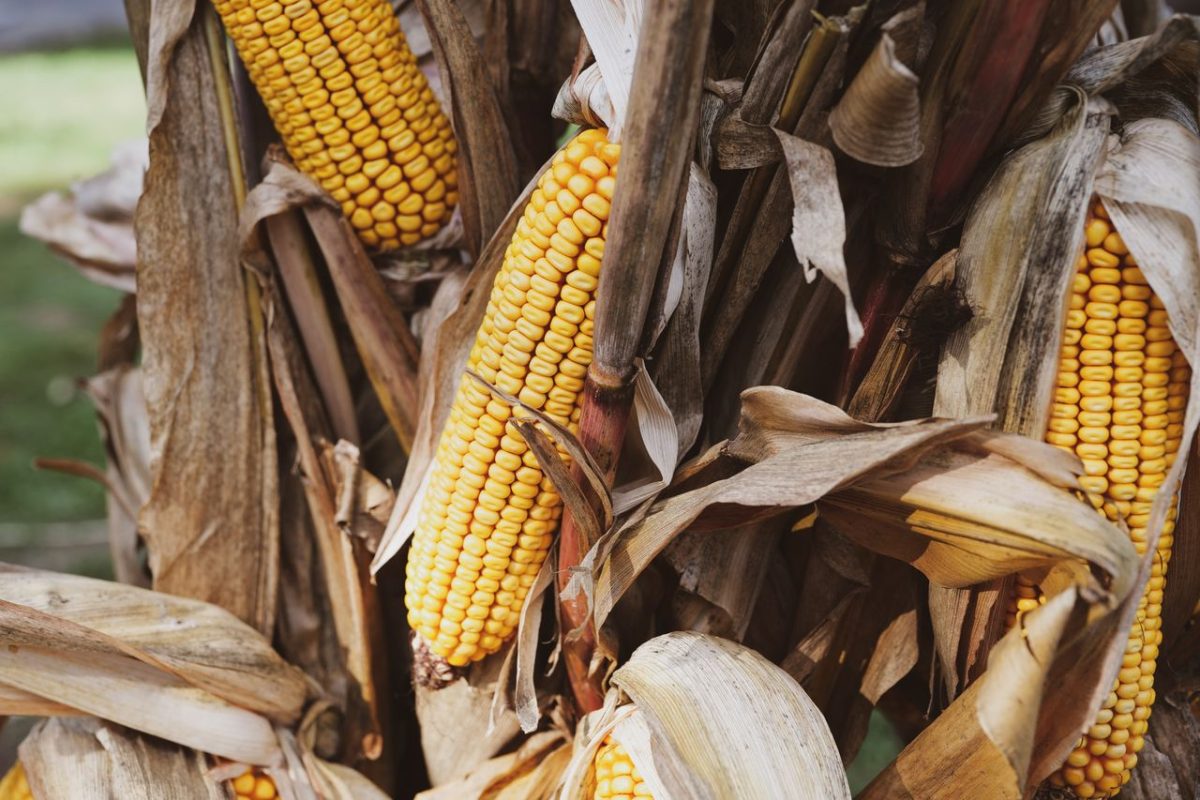
Cornstalks look impressive for about five minutes after the last ears come off. Then they start turning into a towering collection of dry leaves, tough stems, and garden debris that somehow seems determined to make cleanup harder. The smartest time to deal with corn plants comes before those stalks become completely dry and brittle, because fresher stems chop more easily and give gardeners several useful options.
That does not mean every corn plant needs to make a trip straight to the garbage bin. Healthy stalks can become valuable compost material, chopped organic matter, or even temporary habitat, while diseased plants deserve more careful handling. A little timing now can save a surprisingly annoying garden chore later, and it can also help prevent next season’s garden from inheriting this season’s pest and disease problems.
Cut Cornstalks While They Still Have Some Flexibility
Once gardeners finish harvesting the ears, they should keep an eye on the stalks instead of letting them stand indefinitely. A stalk that still bends slightly gives pruning shears, loppers, or a sharp knife a much easier job than a stem that has dried into something resembling garden-grade lumber. Cut the stalks close to the soil surface, then remove the remaining pieces that interfere with other garden work. For larger plantings, a mower or string trimmer can chop the residue into smaller pieces, although gardeners should use appropriate protective equipment and keep tools away from rocks, irrigation lines, and hidden garden edging. Smaller pieces break down faster than long, woody-looking stalks, so chopping creates a much better starting point for composting or soil management.
There is another reason to avoid waiting until everything turns brown and rock-hard: corn residue can provide shelter for insects and plant pathogens. Some corn pests can spend part of their life cycle in or around crop residue, while fungal and bacterial diseases can persist in infected plant material. Healthy stalks do not automatically create a pest disaster, but leaving a dense pile of old corn debris in the garden creates an unnecessary hiding place. Gardeners should inspect the plants before deciding what to do with them, looking for obvious disease symptoms, insect damage, mold, or unusual discoloration. That quick inspection can determine whether those stalks deserve the compost pile or a trip out of the garden.
Turn Healthy Cornstalks Into Useful Garden Material
Healthy corn plants make excellent additions to a compost pile, especially after gardeners chop the stalks into manageable pieces. Corn leaves contain plenty of green material while the stems contribute more fibrous, carbon-rich material, although the balance changes as plants dry. Mixing chopped corn residue with materials such as grass clippings, fresh weeds without mature seeds, vegetable scraps, and other appropriate compost ingredients helps create a more balanced pile. Keep the pile moist like a wrung-out sponge and turn it periodically so air can reach the decomposing material. A well-managed compost pile will gradually transform those awkward stalks into dark, crumbly organic matter that gardeners can use around future plantings.
Gardeners can also chop healthy residue directly onto the soil instead of hauling every piece away. A mower, garden shears, or a dedicated mulching tool can reduce the stalks to smaller fragments that sit much more neatly on the garden surface. Avoid piling thick mats of intact stalks around living vegetables, because dense residue can interfere with air movement, retain excessive moisture, and make spring planting unpleasant. If the garden follows a no-till or reduced-tillage approach, gardeners may prefer to leave finely chopped residue on the surface rather than digging it deeply into the soil. Either way, smaller pieces generally create a much more manageable garden than a forest of six-foot corn skeletons.
Diseased Stalks Need a Different Exit Strategy
Corn plants that show significant disease symptoms should not receive the same treatment as healthy plants. Look for suspicious lesions, rotting stems, extensive mold, or other symptoms that clearly distinguish an unhealthy plant from ordinary end-of-season aging. Gardeners should remove questionable material from the growing area rather than chopping it directly into a bed where next year’s corn or another susceptible crop will grow. Home compost piles often fail to maintain the consistently high temperatures needed to destroy every plant pathogen, so diseased corn residue deserves extra caution. When a disease seems severe or difficult to identify, a local university extension service can help with diagnosis before the material gets redistributed around the garden.
Do not burn the stalks simply because they look ugly or inconvenient. Burning garden debris can create smoke, fire hazards, and local legal issues, while the resulting ash does not magically solve every soil or disease problem. Instead, remove clearly diseased material according to local yard-waste rules or another appropriate disposal method. Gardeners should also clean tools after cutting visibly diseased plants, particularly when several crops grow in the same space. That small bit of sanitation can keep a pruning tool from becoming an unwitting chauffeur for plant disease.
Should Cornstalks Stay in the Garden Over Winter?
Leaving some healthy corn residue in place can make sense when a gardener wants to provide winter cover for insects and other small creatures. However, a standing patch of dry stalks can also create a spring cleanup headache and may shelter unwanted pests. Gardeners who leave residue should chop it down or otherwise manage it before the next growing season rather than allowing a thick wall of old stalks to dominate the bed. Crop rotation can also help reduce the chance that pests and diseases associated with corn will repeatedly find the same host in the same patch. A little planning makes leftover residue much easier to manage than a last-minute spring battle with dried stems.
The best choice depends on the condition of the plants and the gardener’s soil-management goals. Healthy stalks can become compost or finely chopped soil residue, while diseased plants should leave the growing area more carefully. Gardeners who want winter habitat can leave selected healthy stems temporarily, then clean them up before spring planting creates a time crunch. The key involves making that decision while the stalks remain manageable instead of waiting until they become brittle garden toothpicks. Once the harvest ends, corn cleanup becomes less of a chore when the stalks get treated as useful plant material rather than disposable junk.
Give Those Cornstalks a Job Before They Become Garden Furniture
Cornstalks do not need to become an annual autumn eyesore, and they certainly do not need to become a springtime wrestling match. Cut healthy stalks while they still have some flexibility, chop them into smaller pieces, and choose composting or soil management based on the garden’s needs. Inspect questionable plants carefully and remove diseased residue from the growing area rather than spreading it through the bed. Keep useful residue manageable, avoid thick mats around living crops, and give tools a quick cleaning when disease enters the picture. Most importantly, make the decision soon after harvest, because yesterday’s manageable corn stalk can become tomorrow’s surprisingly stubborn garden obstacle.
What do you usually do with corn stalks after harvest: compost them, chop them into the garden, leave some standing, or haul the whole lot away?
You May Also Like…
6 Ways to Keep Raccoons Away From Sweet Corn Without Traps
Can You Store Seed Potatoes From This Year’s Harvest?
Grow a Three Sisters Garden: Corn, Beans & Squash That Feed Each Other
8 Crops That Can Be Harvested Well Into Chilly Weather
5 Garden Crops That Can Double as Attractive Border Plants

Brandon Marcus is a staff writer for FrugalGardening.com at District Media, Inc., where he delivers practical gardening advice with a relatable, no-nonsense style. An avid amateur gardener, he holds a BA degree and with over ten years of professional writing experience, he is also an award-winning published author whose first book, Questions For Deep Thinkers, was released by Adams Media. His work has appeared in major publications including Fandom.com, CHUD.com, TheColdWire.com, and Fansided.com.
Leave a Reply