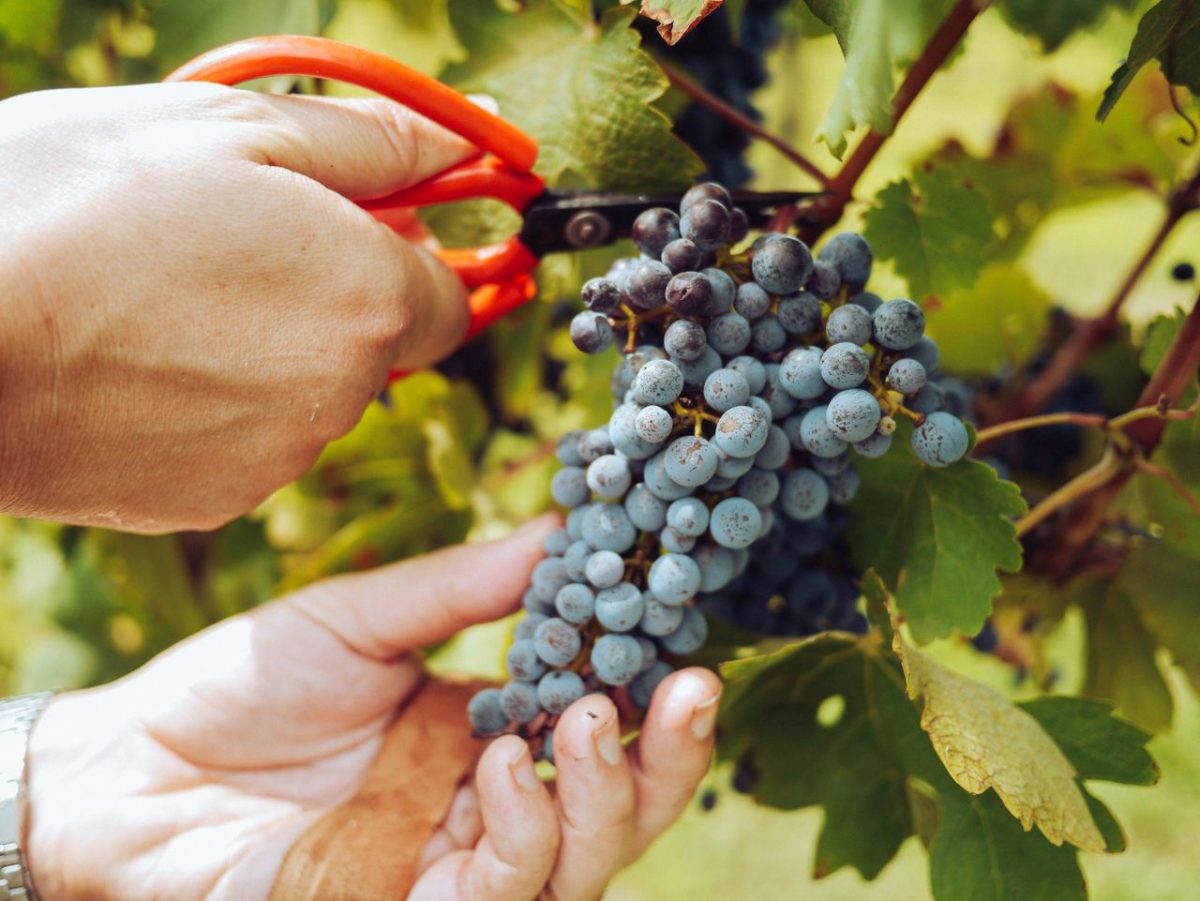
A grapevine can spend months producing a beautiful crop, only to turn into a tiny fruit-cracking factory right when those grapes start looking delicious. Grapes often split near ripening because the berries suddenly take on water faster than their skins can stretch, especially after a dry spell followed by heavy rain or deep watering.
Splitting usually gives gardeners a useful clue rather than a gardening mystery worthy of a detective novel. A few changes to watering, vine management, and pest control can reduce the problem and help more grapes make it from the vine to the kitchen instead of becoming snacks for insects, birds, and every opportunistic creature in the neighborhood.
The Weather May Be Picking the Fight
Grapes can split when their berries absorb water rapidly after the soil dries out. As the fruit swells, the skin may fail to stretch quickly enough, particularly around the stem end or along the side of the berry. A summer downpour can create this problem almost overnight when dry soil suddenly receives a soaking. The same thing can happen when a gardener forgets to water for several days and then gives the vine a large drink. In other words, the grape does not necessarily have a disease problem just because its skin suddenly resembles a tiny purple zipper.
A steady supply of soil moisture gives grapevines a much better chance of producing intact fruit. Mulch can help moderate moisture swings by slowing evaporation from the soil, although gardeners should keep mulch away from direct contact with the vine trunk. During dry weather, deep and consistent watering works better than frequent little sprinkles that barely wet the root zone. Good drainage matters too, because soggy soil can stress roots and create a completely different set of problems. The goal involves avoiding the garden equivalent of a drought followed by a swimming pool.
Variety Matters More Than Many Gardeners Realize
Some grape varieties naturally resist splitting better than others, so the variety growing in the garden can influence the outcome before weather even enters the picture. Thin-skinned grapes often face more trouble when moisture changes quickly because the berry has less physical protection against rapid expansion. Thick-skinned varieties generally offer more resistance, although no grape can shrug off every combination of heavy rain, uneven moisture, and physical damage. Local growing conditions also matter because a variety that performs beautifully in one climate may struggle with another region’s rainfall patterns. When choosing new vines, gardeners should consider disease resistance and fruit characteristics along with the temptation of a particularly tasty catalog photograph.
Existing vines still deserve attention even when the variety has a reputation for splitting. A healthy vine with appropriate pruning and a manageable crop load can direct its resources more effectively toward fruit development. Excessive foliage can create a humid canopy that encourages fungal diseases, while an overly dense fruit cluster can leave berries packed tightly together. Pruning and training should therefore create good air circulation without exposing developing grapes suddenly to intense sunlight. A grapevine needs enough foliage to support its crop, but it does not need to resemble a leafy jungle swallowing the trellis.
Those Cracks Can Invite Trouble
A split grape creates an open invitation for trouble, because insects and microorganisms can reach the juicy interior much more easily once the skin breaks. Fruit flies, wasps, bees, and other insects may investigate damaged berries, while fungal organisms can colonize wounded fruit under warm, humid conditions. Botrytis bunch rot, for example, can spread through damaged grape clusters and cause fruit to decay rather than simply split. Birds can also discover damaged grapes quickly, because a cracked berry offers an easier meal than an intact one. That means splitting can turn from a cosmetic nuisance into a crop-loss problem if gardeners leave damaged fruit hanging.
Regular inspection helps catch the problem before one damaged berry affects its neighbors. Snip out badly split or rotting grapes with clean pruning shears and remove them from the immediate growing area rather than leaving them beneath the vine. Look closely inside dense clusters because one cracked berry can hide behind several perfectly attractive grapes. Gardeners should also watch for unusual lesions, mold, shriveled berries, or widespread damage, since those signs may point toward disease or another underlying issue rather than simple moisture fluctuation. Clean tools between plants when disease seems possible, especially when several vines show suspicious symptoms.
A Little Vine Management Goes a Long Way
Good grape production starts well before the berries begin changing color. Prune dormant grapevines according to the training system and variety, then manage excessive shoots and foliage during the growing season so sunlight and air can move through the canopy. Avoid removing huge amounts of foliage all at once, particularly around ripening fruit, because sudden exposure can cause sunburn. Keep weeds under control around the root zone so they do not compete aggressively for moisture. These basic chores may sound less exciting than harvesting a bowl of grapes, but they often determine whether harvest day feels rewarding or resembles berry-related disaster cleanup.
Watering deserves special attention during the ripening period. Check the soil beneath the mulch rather than judging moisture from the surface, and water thoroughly when the root zone needs it instead of bouncing between bone-dry soil and saturated soil. A simple soil check with a finger or small hand trowel can reveal whether the soil still holds moisture below the surface. After a major rainfall, skip supplemental irrigation until the soil actually needs more water. Consistency cannot eliminate every split grape, but it can remove one of the biggest triggers from the equation.
Keep the Harvest From Turning Into a Crack-Up
Splitting grapes usually comes down to a combination of rapid water uptake, berry-skin characteristics, weather, and growing conditions rather than one mysterious mistake. Gardeners cannot control every summer storm, but they can reduce dramatic moisture swings with consistent irrigation, mulch, good drainage, sensible pruning, and careful canopy management. Choosing varieties suited to local conditions can also make a noticeable difference when planting new vines. Once grapes start splitting, prompt removal of damaged fruit can reduce opportunities for insects and rot to move through the cluster. The most useful strategy involves treating cracked grapes as information: inspect the vine, check the soil, consider the recent weather, and then adjust the growing routine accordingly.
Do your grapes tend to split after heavy rain, during dry weather, or at another point in the season? Share what happens in the garden and what has worked for keeping those grapes intact in the comments.
You May Also Like…
7 Low-Cost Ways to Protect Grapes as They Begin to Sweeten
8 Ways to Help Young Fruit Trees Through Dry Late-Summer Weeks
Should You Remove Old Strawberry Leaves After Fruiting?
6 Ways to Protect Ripening Fruit From Sudden Splitting
What Should You Do When Peaches Ripen All at Once?

Brandon Marcus is a staff writer for FrugalGardening.com at District Media, Inc., where he delivers practical gardening advice with a relatable, no-nonsense style. An avid amateur gardener, he holds a BA degree and with over ten years of professional writing experience, he is also an award-winning published author whose first book, Questions For Deep Thinkers, was released by Adams Media. His work has appeared in major publications including Fandom.com, CHUD.com, TheColdWire.com, and Fansided.com.
Leave a Reply