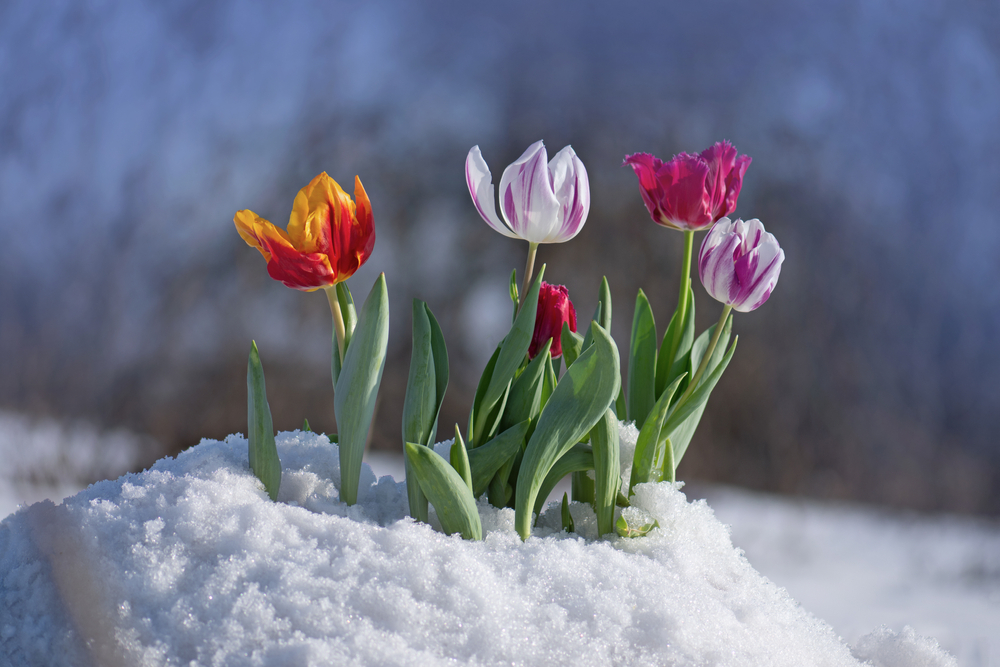
Winter can feel gray and gloomy, with bare trees and frozen lawns stretching as far as the eye can see. But what if your garden could burst with color even when the cold is at its harshest? By planting the right bulbs in December, you can create a magical winter wonderland filled with blooms that defy frost and snow.
Winter-flowering bulbs are resilient, vibrant, and often scented, giving your outdoor spaces a much-needed boost of life and cheer. Let’s explore eleven stunning bulbs that will turn your winter garden into a show-stopping spectacle.
1. Snowdrops (Galanthus Nivalis)
Snowdrops are delicate, nodding white flowers that seem to magically emerge through the snow. They are among the earliest bloomers, often appearing as early as late December in milder climates. Snowdrops thrive in well-drained soil and partial shade, making them perfect for under trees or along garden paths. Their subtle beauty is enhanced by their graceful, bell-shaped petals and a gentle fragrance that hints at spring. Planting snowdrops in clusters will create a carpet of white that brightens even the dreariest winter mornings.
2. Winter Aconites (Eranthis Hyemalis)
Winter aconites are cheerful little yellow flowers that literally radiate sunshine in the middle of winter. These low-growing bulbs are excellent for naturalizing under deciduous trees or in garden borders. They prefer well-drained soil and can tolerate frost, making them ideal for December planting. Their bright, golden blooms often emerge before the snow has fully melted, signaling the start of longer days ahead. Once established, winter aconites multiply rapidly, creating an increasingly vibrant display year after year.
3. Crocuses (Crocus Chrysanthus)
Crocuses are energetic, early bloomers that come in a rainbow of colors, from purple and white to gold and lilac. They are perfect for adding pops of color to lawns, rock gardens, or containers. Crocuses enjoy sunny spots and well-drained soil, and they tolerate cold temperatures beautifully. Planting them in December ensures that you’ll be rewarded with vibrant flowers that can bloom as early as January in some climates. Their cheerful blooms attract early pollinators, bringing movement and life to the garden even in the chill.
4. Winter Iris (Iris Reticulata)
Winter iris is a compact, early-blooming iris with stunning violet, purple, or blue flowers. Its intricate markings and upright petals make it a standout in any winter garden. Plant winter iris bulbs in full sun to partial shade and in soil that drains well to prevent rot. The flowers often appear in late winter, adding elegance and texture when most other plants are dormant. Their small size makes them perfect for edging beds, borders, or even planting in pots to move around your garden.
5. Chionodoxa (Glory Of The Snow)
Chionodoxa, commonly called glory of the snow, lives up to its name with star-shaped blooms that shine brilliantly against a winter landscape. These bulbs are incredibly hardy and can push through snow and frost with ease. They perform best in full sun to partial shade and in soil that’s kept moist but not waterlogged. Planting chionodoxa in clusters creates a dramatic visual effect reminiscent of sparkling gems scattered across the ground. As the season progresses, their blooms are often accompanied by bees and other early pollinators eager to sip their nectar.
6. Hellebores (Helleborus Orientalis)
Hellebores, also known as Lenten roses, are a favorite for winter gardens due to their long-lasting and unusual blooms. They thrive in shady or semi-shady locations and prefer rich, well-drained soil. Their flowers range from white and pink to deep purple and even spotted varieties, adding depth and intrigue to your winter garden palette. Hellebores bloom steadily through the cold months, often lasting into early spring. Planting them in December gives them time to establish roots, ensuring vibrant growth in the heart of winter.
7. Paperwhite Narcissus (Narcissus Tazetta)
Paperwhite narcissus is a fragrant bulb that brings an unmistakable touch of spring into winter gardens or indoor containers. These bulbs are incredibly easy to force and can bloom indoors in as little as four to six weeks if grown in pots. Outdoors, they thrive in well-drained soil and full to partial sun. Their clusters of creamy white flowers with delicate yellow centers add elegance and fragrance to any space. Planting paperwhites in December allows their roots to develop while cold temperatures encourage strong, healthy blooms.
8. Winter Hyacinth (Hyacinthus Orientalis)
Winter hyacinths are show-stopping bulbs known for their intense fragrance and vibrant flower spikes. Their colors range from deep purples and pinks to whites and blues, making them a versatile choice for color contrast in winter gardens. These bulbs prefer sunny locations and soil that drains well to prevent root rot. Their scent alone is enough to bring life and energy to an otherwise dormant garden. Planting them in December gives them a head start to bloom beautifully before early spring arrives.
9. Freesia (Freesia Hybrida)
Freesias are delicate, trumpet-shaped flowers that are as fragrant as they are beautiful. While often associated with warmer climates, they can thrive outdoors in mild winter areas or indoors in pots with careful attention. Freesia bulbs should be planted in well-drained soil and positioned in full sun or bright, indirect light. Their blossoms often carry a rainbow of pastel hues that brighten dark winter days. Planting freesia in December allows you to enjoy their uplifting colors and scent during the quietest months of the year.
10. Snow Crocus (Crocus Sieberi)
Snow crocus is a close cousin of the common crocus but is especially well-suited to winter planting. Its low-growing habit and early blooms make it ideal for naturalizing under trees or in rock gardens. Snow crocus flowers often appear through frost and light snow, creating magical bursts of purple, white, or yellow. They thrive in full sun to partial shade and need soil that drains easily to avoid bulb rot. Planting them in December ensures that these charming flowers will surprise you and reward your patience with early color in the garden.
11. Siberian Squill (Scilla Sibirica)
Siberian squill is a resilient winter bulb with striking blue flowers that create a beautiful carpet of color. These bulbs prefer sunny to semi-shady locations and well-drained soil, and they naturalize quickly, returning year after year. Their star-shaped flowers often bloom very early, sometimes even peeking through the snow. Planting Siberian squill in December gives the bulbs a head start on establishing themselves before winter fully sets in. Once they start flowering, these bright blue blooms are a cheerful reminder that spring is on the way.
Bring Life To Your Winter Garden
Winter doesn’t have to mean dull and lifeless gardens. With the right bulbs planted in December, you can enjoy a riot of color, fragrance, and energy even in the coldest months. From the subtle elegance of snowdrops to the cheerful brilliance of Siberian squill, there’s a bulb for every type of winter garden. Planting these winter wonders now ensures your garden will be alive, vibrant, and welcoming when most other plants are dormant.
Have you tried any of these bulbs in your winter garden? Share your experiences, tips, or favorite blooms with us below.
You May Also Like…
9 Types of Mulch That Best Protect Roots from Winter Freeze
Force These Bulbs Indoors for the Brightest Winter Blooms
How to Spot Rot in Stored Bulbs Before It Spreads Everywhere
7 Birds And Wildlife Friendly Plants to Add in Winter
Are Winter Annuals Really Worth Your Time?

Brandon Marcus is a staff writer for FrugalGardening.com at District Media, Inc., where he delivers practical gardening advice with a relatable, no-nonsense style. An avid amateur gardener, he holds a BA degree and with over ten years of professional writing experience, he is also an award-winning published author whose first book, Questions For Deep Thinkers, was released by Adams Media. His work has appeared in major publications including Fandom.com, CHUD.com, TheColdWire.com, and Fansided.com.
Leave a Reply