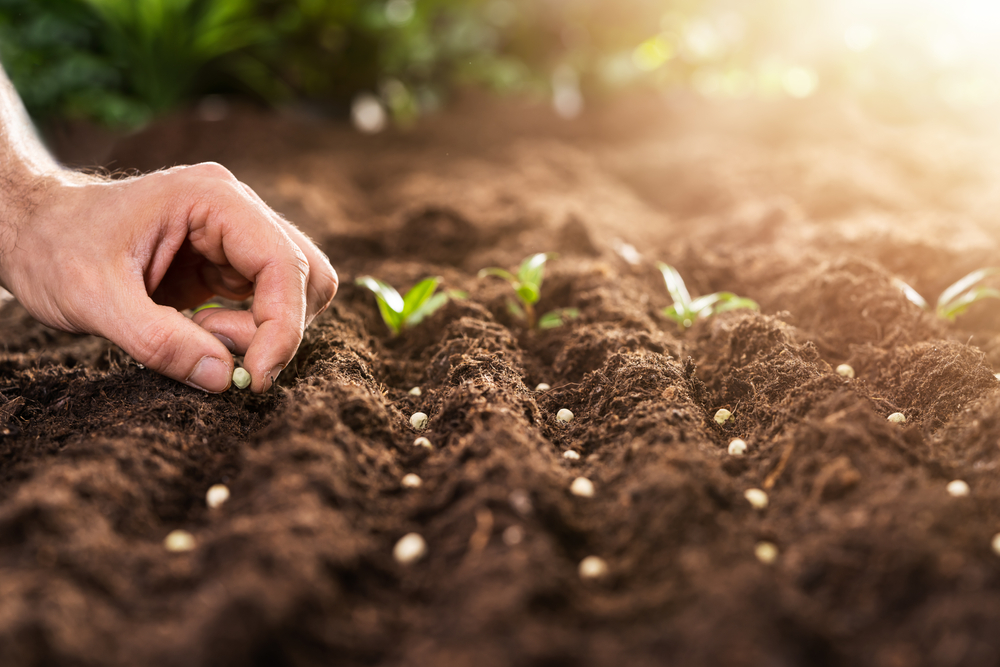
You don’t need a fancy seed catalog to start more plants, because a surprising number of groceries come with a free “starter kit” tucked inside. When you learn which scraps actually sprout, you can turn snack time into planting time and stretch your garden budget way further. The trick is picking foods with viable seeds, handling them the right way, and knowing when a grocery-store seed won’t grow “true” to the fruit you ate. Still, even imperfect results can be a win if your goal is extra greenery, a fun experiment, or fresh produce for pennies. If you’ve ever thrown out a pepper core or scooped seeds into the trash, you’ve probably tossed seeds you can save without realizing it.
1. Seeds You Can Save From Tomatoes
Choose a ripe tomato, because under-ripe fruit often has immature seeds that struggle to sprout. Scoop the seeds into a cup, add a splash of water, and let them sit for two to three days so the gel coating breaks down. Rinse them in a fine strainer and spread them on a coffee filter or paper plate to dry fully for about a week. Plant a few extras since grocery tomatoes are often hybrids and may produce fruit that’s different from what you ate. Start them indoors in small pots, then transplant after your last frost when nights are reliably warm.
2. Bell Peppers and Hot Peppers From the Produce Drawer
Pepper seeds are easy seeds you can save because they don’t need fermentation, but they do need to be fully dry before storing. Pick a pepper that’s mature in color (red, orange, yellow, or fully ripened green, depending on the variety) for the best germination. Spread the seeds on a plate and let them dry for at least a week in a low-humidity spot out of direct sun. When you’re ready to plant, warm soil is the secret, so use a heat mat or a consistently warm room. If you want to keep varieties from crossing later, separate sweet and hot types in the garden or grow only one type at a time.
3. Winter Squash and Pumpkin Seeds From Dinner Night
If you’ve ever roasted a pan of squash, you’ve already handled seeds that can sprout with a little care. Rinse off the stringy pulp, then dry the seeds on a towel for several days until they snap instead of bend. Squash plants need space and lots of sun, so plan ahead before you plant a dozen “free” seeds and run out of room. Grocery squash can also be hybrids, so the fruit might be different next season, but it’s still usually tasty and productive. To avoid mildew problems, water at the base and give vines airflow instead of letting leaves stay wet all day.
4. Cucumbers, Zucchini, and Other Summer Squash Surprises
Cucumbers and summer squash germinate fast, but the seeds should come from fully mature fruit for the best results. If your cucumber is the seedless type, you’ll notice right away there’s not much to work with, so pick a standard cucumber when you can. For cucumbers, rinse the seeds and let them dry, but for squash, make sure the seeds are plump and not paper-thin. Use a trellis for cucumbers to save space and reduce disease pressure, especially in humid weather. If you notice bitter cucumbers from seeds you can save, compost that plant and try again, because bitterness can show up in some crosses.
5. Melon Seeds That Can Become a Backyard Treat
Melons feel like magic because you go from a sticky snack to a sprawling plant that makes dessert. Scoop out the seeds, rinse them well, and dry them for a week before storing in a labeled envelope. Melons need heat, sunlight, and patience, so they’re best as a warm-season project when your soil is truly warm. Because grocery melons may be grown far away, your local results can vary, but you’ll still learn a lot by trying. If you want more reliable outcomes, grow only one melon type at a time so cross-pollination doesn’t scramble flavor and texture.
6. Dried Beans, Peas, and Lentils From the Pantry
This is one of the cheapest ways to plant a lot, because a small bag can produce an entire bed of plants. Many dried beans and peas will sprout as-is, but avoid anything labeled “quick-cook” or heavily processed, since it may not be viable. Soak a few overnight, then plant the ones that swell evenly and look healthy the next day. If you’re using lentils, treat it as a fun experiment, because they don’t always perform like garden varieties, but sprouts and microgreens can still be worth it. For full-size plants, give them support early so they don’t flop when they start producing.
7. Fruit Seeds That Make Great Houseplants First
Some grocery seeds are better as “greenery projects” than predictable food producers, and that’s still a frugal win. Apple, pear, and citrus seeds can sprout, but the fruit you get years later may not match what you ate, and it may take a long time to produce. Avocado pits are famous for this because they’re easy to sprout in water and make a bold indoor plant while you decide what to do next. If you want to try it, the key is consistent warmth, bright light, and not overwatering once roots form. This is where seeds you can save can shift from “free produce” to “free plants” that brighten your home and teach you skills.
Your Grocery Bag Can Become Next Season’s Garden
The biggest money-saver is treating everyday food like a seed source, but doing it with a little strategy. Start with the easiest wins like peppers and tomatoes, then branch out into squash, beans, and melon once you’ve got the hang of drying and labeling. Keep expectations flexible because some grocery seeds won’t grow true, yet they can still produce healthy plants and useful harvests. Store everything cool, dry, and clearly labeled so you don’t end up planting mystery seeds you can’t plan around. When you build a habit of saving and testing, you’ll find fewer reasons to buy new seeds every season.
What’s one grocery item you’d love to try growing from saved seeds this year?
What to Read Next…
8 Seeds That Germinate Reliably Without Special Equipment
12 Seeds You Should Start Early If You Want Big Spring Harvests
Gardeners Are Buying Seeds Earlier to Avoid Spring Shortages
Is Starting Seeds Indoors in Winter Really Worth the Cost?
Gardeners Are Switching to Heirloom Seeds to Save Money

Catherine is a tech-savvy writer who has focused on the personal finance space for more than eight years. She has a Bachelor’s in Information Technology and enjoys showcasing how tech can simplify everyday personal finance tasks like budgeting, spending tracking, and planning for the future. Additionally, she’s explored the ins and outs of the world of side hustles and loves to share what she’s learned along the way. When she’s not working, you can find her relaxing at home in the Pacific Northwest with her two cats or enjoying a cup of coffee at her neighborhood cafe.
Leave a Reply