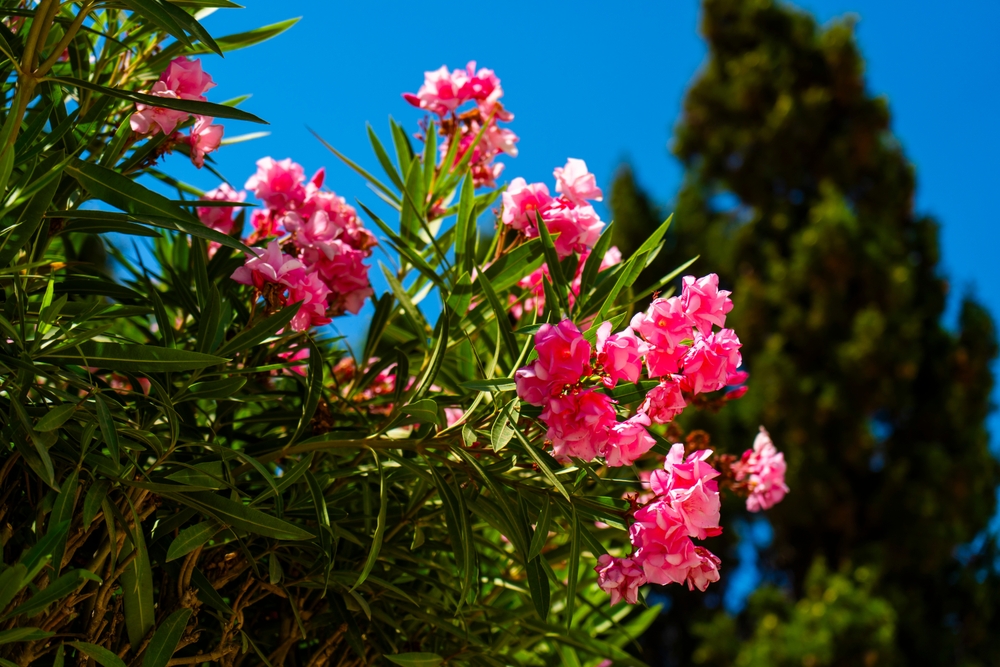
A single leaf can trigger a medical emergency. That is not a horror-movie exaggeration. It is the reality of oleander, a flowering shrub that lines driveways, brightens front yards, and decorates countless Southern landscapes.
Across warmer states, veterinarians continue to warn pet owners about the risks tied to this plant. Reports of dogs and cats experiencing seizures, vomiting, and dangerous heart rhythm changes after chewing on oleander have raised serious concerns. The plant looks innocent enough with its clusters of pink, red, or white blossoms, but its beauty hides a potent chemical defense system that does not care whether the intruder has paws.
The Pretty Shrub With a Dangerous Punch
Oleander, scientifically known as Nerium oleander, thrives in warm climates and tolerates drought, heat, and poor soil. Landscapers love it because it grows fast, fills space beautifully, and requires minimal fuss. Homeowners often choose it for privacy hedges or decorative borders, especially in states like Florida, Texas, Louisiana, Georgia, and Alabama.
The problem sits inside the plant’s tissues. Oleander contains cardiac glycosides, the same class of compounds found in foxglove. These chemicals interfere with the sodium-potassium pump in heart cells, which directly impacts heart rhythm. When a dog chews a leaf or a cat nibbles a fallen blossom, those toxins enter the bloodstream and begin disrupting electrical signals in the heart. The body does not shrug that off.
In severe cases, ingestion leads to life-threatening arrhythmias or seizures. Every part of the plant carries risk, including leaves, stems, flowers, and even water from a vase that holds cut branches.
What Happens When a Pet Eats Oleander
The symptoms often appear quickly, sometimes within hours. Pets may start with drooling, vomiting, or diarrhea as the gastrointestinal tract reacts to the toxin. That distress does not stay limited to the stomach. As the cardiac glycosides circulate, they begin to alter heart rate and rhythm.
You might notice lethargy, weakness, or disorientation. Some animals develop tremors or full seizures as their nervous system responds to the toxic exposure. Others show signs of an abnormally slow or irregular heartbeat. In extreme cases, collapse or sudden death can occur without immediate veterinary intervention.
Veterinarians treat oleander poisoning as a medical emergency. They may induce vomiting if the ingestion occurred recently, administer activated charcoal to limit absorption, and monitor heart rhythm closely. In severe situations, clinics use medications to stabilize cardiac function. Time matters. The sooner treatment begins, the better the outcome tends to be.
Why Southern Gardens Increase the Risk
Oleander does not grow equally across the country. It thrives in warm, frost-free regions, which makes the South its comfort zone. That regional popularity increases the odds that a curious dog or roaming cat encounters it during daily life.
Dogs often chew on plants out of boredom, anxiety, or simple curiosity. Puppies, in particular, explore the world with their mouths. Outdoor cats may nibble greenery to aid digestion or satisfy instinctual behavior. When a yard contains oleander, that normal behavior suddenly becomes dangerous.
Many pet owners do not realize the plant poses a threat. Garden centers sell it widely, and its reputation as a hardy ornamental shrub overshadows its toxicity. People focus on watering schedules and pruning techniques instead of toxicology. That knowledge gap creates risk, especially in neighborhoods where multiple homes feature the same landscaping style.
Recognizing the Warning Signs Before It Escalates
If your pet spends time outdoors and you have oleander nearby, you should stay alert for sudden changes in behavior or health. Vomiting without a clear cause, unusual drooling, weakness, trembling, or fainting all deserve immediate attention. A seizure, even a brief one, requires urgent veterinary care.
Do not wait to see if symptoms pass. Call your veterinarian or contact the ASPCA Animal Poison Control Center right away if you suspect exposure. Provide details about what your pet may have eaten and when the incident occurred. Quick action improves the odds of recovery.
Smart Steps to Protect Your Pets
The most effective solution involves removing oleander from areas accessible to pets. If you rent or cannot remove established landscaping, create physical barriers that prevent contact. Fencing off shrubs or supervising outdoor time can reduce risk.
Consider replacing oleander with non-toxic alternatives that still provide color and structure. Many Southern-friendly plants offer vibrant blooms without endangering animals. Local extension offices often provide lists of pet-safe landscaping options tailored to your climate. A quick consultation can save you from a future emergency vet bill and far more serious consequences.
Inside the home, stay cautious with floral arrangements. Do not bring cut oleander branches indoors, and avoid placing unknown clippings in vases where pets can access the water. Cats, in particular, show a knack for sampling plant leaves when no one watches.
Toxic Plants and Pet Awareness
Oleander does not stand alone. Many plants contain compounds that can harm animals. However, oleander ranks among the more dangerous plants because of its direct impact on the heart. That severity demands respect.
Pet ownership requires more than food bowls and vet visits. It demands awareness of the environment we create around our animals. Landscaping decisions, decorative choices, and yard maintenance all influence their safety. When we choose plants, we should think about more than curb appeal.
The Takeaway That Could Save a Life
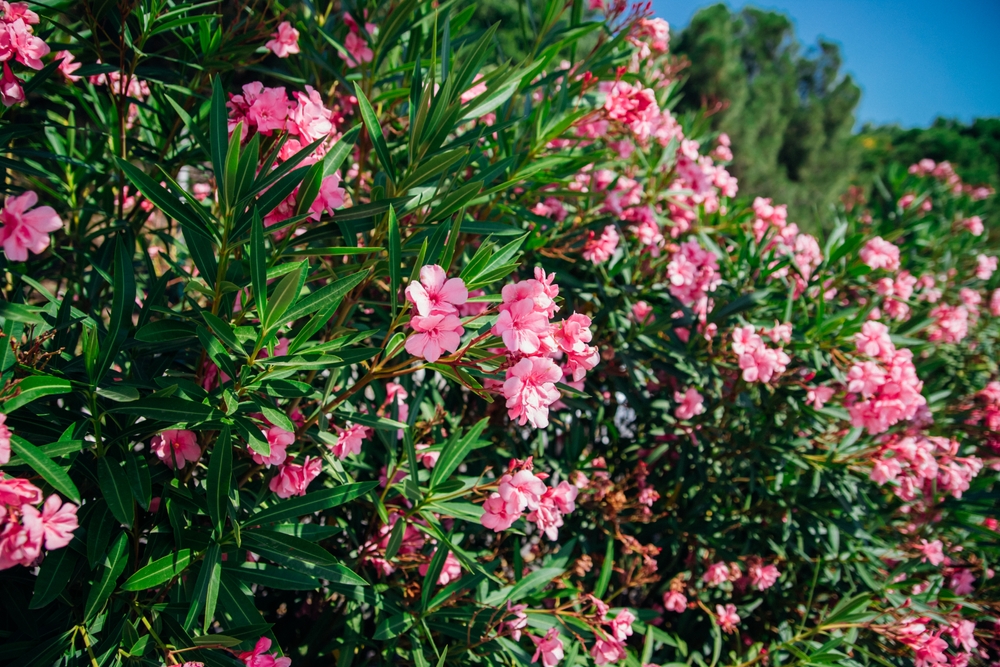
Oleander looks like a harmless burst of Southern charm, but it carries chemicals that can disrupt a pet’s heart and trigger seizures. Every part of the plant poses risk, and even small amounts can lead to serious consequences. Quick recognition of symptoms and immediate veterinary care can make the difference between recovery and tragedy.
If you share your home with animals and live in a region where oleander grows easily, take a walk around your yard today. Identify what grows there. Remove or block access to anything toxic. That simple step could protect your pet from a terrifying medical emergency.
Have you checked your yard lately for plants that could harm your pets? Make sure you share your thoughts and advice with other pet owners below.
You May Also Like…
Pet Poison Helplines Issue Alert About a Popular Houseplant Mix
Gardeners Are Planting This “Safe” Shrub — But It’s Deadly for Cats
Why Kale and Spinach Are the Underdogs of the November Garden
Pet Owners in Florida Warned About a Toxic Garden Shrub Gaining Popularity
Pet Owners Warned: This Common Yard Plant Is More Toxic Than You Think

Brandon Marcus is a staff writer for FrugalGardening.com at District Media, Inc., where he delivers practical gardening advice with a relatable, no-nonsense style. An avid amateur gardener, he holds a BA degree and with over ten years of professional writing experience, he is also an award-winning published author whose first book, Questions For Deep Thinkers, was released by Adams Media. His work has appeared in major publications including Fandom.com, CHUD.com, TheColdWire.com, and Fansided.com.
Leave a Reply