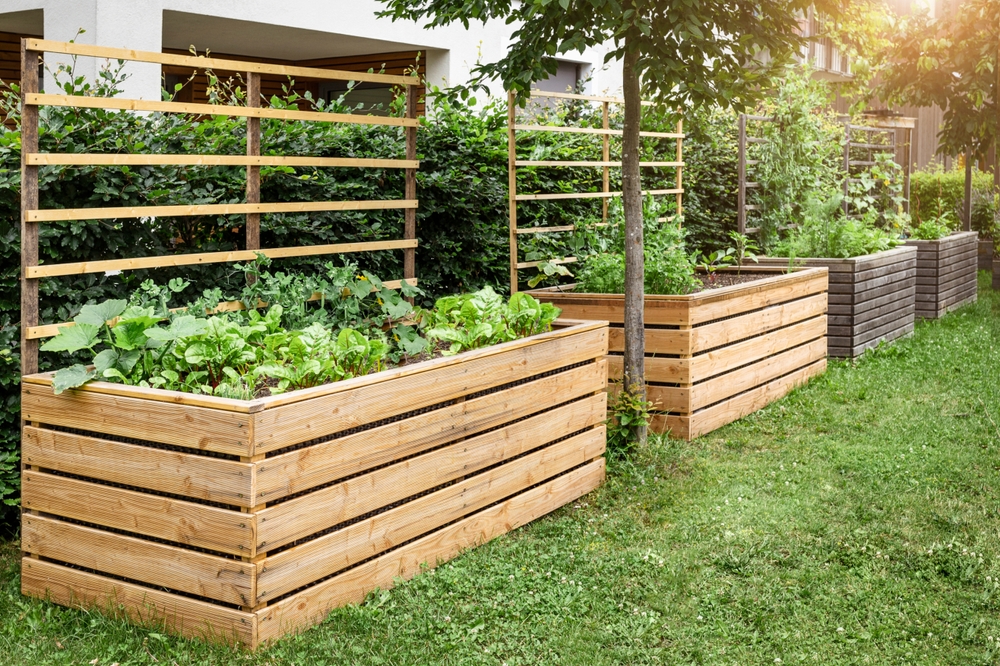
A backyard used to mean grass, maybe a grill, and a few scattered flower pots. Now raised garden beds are reshaping what people expect when they step outside and take a look around. These structured garden setups signal intention, care, and a surprisingly modern sense of style. They turn ordinary soil into a curated growing space that looks organized and purposeful. The shift has made raised beds one of the most talked-about upgrades in residential outdoor living.
This trend goes beyond aesthetics and taps into practicality, comfort, and pride in food production. Homeowners increasingly want spaces that feel useful rather than decorative only, and raised beds deliver exactly that balance. They create order in a world where messy yards once felt normal and even expected.
The New Backyard Upgrade Everyone Notices
Raised garden beds immediately change how a yard feels because they introduce structure where open soil once dominated. Clean edges and defined growing zones create a sense of design that catches attention from neighbors and visitors. Even a small setup along a fence line can shift the entire look of an outdoor space. People often associate these beds with thoughtful planning rather than casual gardening attempts. The visual impact alone makes them hard to ignore.
This upgrade also communicates effort in a way that flat garden plots rarely achieve. Building or installing raised beds requires decisions about materials, placement, and plant selection. That process signals commitment to growing food or flowers with intention rather than chance. The result feels closer to an outdoor project than a weekend hobby, which adds to its appeal.
Why Raised Beds Signal Effort and Intentional Living
Raised beds carry a strong message about how people approach their outdoor spaces because they require planning and maintenance. Choosing wood, metal, or composite materials reflects personal taste and long-term thinking. People notice these choices because they stand apart from traditional backyard layouts. The structure alone suggests a gardener who values order and productivity. That perception turns simple gardening into a visible lifestyle statement.
Intentional living also shows up in how these beds organize planting space. Rows become clearly defined, crop rotation becomes easier, and seasonal planning becomes more visible. Visitors can quickly see that the garden follows a system instead of random planting. That sense of organization often sparks curiosity and admiration. It makes the entire yard feel more purposeful and thoughtfully managed.
Better Soil Control Creates Better Results Without Guesswork
Raised beds allow precise control over soil quality, which directly affects plant performance and consistency. Gardeners can mix compost, topsoil, and organic matter in exact proportions to suit specific crops. This removes many of the uncertainties that come with native soil conditions. Plants respond more predictably when their roots sit in well-prepared growing media. That reliability encourages more people to invest in these systems.
Drainage also improves significantly in raised setups, especially in regions with heavy rain or compacted ground. Water moves more efficiently through the soil layers, which reduces root stress and common plant issues. This creates healthier growing conditions without requiring advanced gardening knowledge. The visible improvement in plant health reinforces the value of the structure. Over time, that consistency builds confidence in both beginners and experienced gardeners.
Design Choices Turn Gardens Into Outdoor Living Spaces
Raised garden beds now come in styles that blend seamlessly with patios, decks, and entertainment areas. Materials like cedar, steel, and stone allow homeowners to match their garden layout with the rest of their outdoor design. This creates a unified look that feels intentional rather than improvised. The garden becomes part of the living space instead of a separate corner of the yard. That integration elevates the entire property visually.
Layout choices also add to the design appeal because raised beds can form patterns, borders, or pathways. Some homeowners arrange them in geometric shapes that resemble outdoor rooms. Others use them to frame seating areas or fire pits. These creative configurations make gardens feel like extensions of interior design. The result turns food production into an aesthetic experience.
Raised Beds Make Gardening Easier on the Body
Comfort plays a major role in the popularity of raised garden beds because they reduce the need for bending and kneeling. Elevated soil levels make planting, weeding, and harvesting more accessible for a wide range of people. This practical advantage encourages longer and more enjoyable gardening sessions. It also reduces strain on joints and muscles during peak growing seasons. The physical ease adds long-term sustainability to the hobby.
Accessibility also opens gardening to people who might avoid traditional ground-level plots. Older adults and those with mobility limitations often find raised beds far more manageable. Even younger gardeners appreciate the reduced physical stress after long workdays. This broader usability helps explain why raised beds continue gaining attention across different age groups. The design supports both productivity and comfort in equal measure.
Food Security and Fresh Flavor Drive the Trend
Rising interest in homegrown food has pushed raised beds into the spotlight because they support efficient vegetable production. People want direct access to herbs, greens, and vegetables without relying entirely on store shelves. Raised beds make it easier to grow consistent harvests in smaller spaces. This practicality appeals to households that value freshness and control over ingredients. The garden becomes both a food source and a cost-conscious choice.
Flavor also plays a major role in the appeal because freshly harvested produce often tastes noticeably better. Tomatoes, basil, and lettuce picked minutes before eating deliver a level of freshness that store produce rarely matches. Raised beds help maintain that quality through better soil conditions and plant spacing. This combination of taste and convenience strengthens the motivation to keep gardening season after season. The result turns everyday meals into something more rewarding.
Mistakes People Avoid When Building Their First Beds
New gardeners often avoid common frustrations by switching to raised beds from the start. Poor soil conditions, weed invasion, and drainage issues become easier to manage or eliminate entirely. The structure creates boundaries that reduce many of the problems found in traditional garden plots. This gives beginners a clearer path to success without overwhelming complexity. The learning curve feels more manageable and less discouraging.
Planning mistakes still happen, especially when beds get placed without considering sunlight or spacing. Experienced gardeners recommend observing yard conditions for a full day before final placement. Proper orientation ensures crops receive the light they need during peak growth periods. Thoughtful layout decisions prevent overcrowding and improve long-term productivity. These small steps make a major difference in overall results.
How Raised Beds Quietly Boost Property Appeal
Well-designed raised beds can subtly increase how attractive a property feels from the outside. Clean garden structures suggest ongoing care and attention, which often leaves a positive impression on visitors and potential buyers. Landscapes that include productive spaces feel more complete and lived in. This impression adds value beyond simple curb appeal. It signals a home that supports both beauty and function.
The visual order of raised beds also reduces the appearance of yard clutter. Instead of scattered pots or uneven planting areas, everything fits into defined spaces. That organization creates a polished look that stands out in residential neighborhoods. Even modest gardens can elevate a property when designed with care. The overall effect strengthens both enjoyment and perceived value.
The Backyard Upgrade That Keeps Gaining Attention
Raised garden beds continue gaining popularity because they bring structure, productivity, and beauty into the same space without unnecessary complexity. They turn everyday yards into purposeful environments that support both food growing and outdoor enjoyment. The combination of design appeal and practical benefits makes them more than a passing trend. They reflect a shift toward spaces that work harder and look better at the same time.
What feature would make a raised garden bed feel perfect in your own backyard?
You May Also Like…
Why Raised Bed Gardens Are Suddenly Everywhere in Middle-Class Neighborhoods
6 Raised Bed Success Picks That Deliver Reliable Results
Why Raised Beds Warm Faster and Boost Early Growth
10 Gardening Mistakes That Make Yards Look Cheap
The Container Gardening Trend That’s Exploding on TikTok

Brandon Marcus is a staff writer for FrugalGardening.com at District Media, Inc., where he delivers practical gardening advice with a relatable, no-nonsense style. An avid amateur gardener, he holds a BA degree and with over ten years of professional writing experience, he is also an award-winning published author whose first book, Questions For Deep Thinkers, was released by Adams Media. His work has appeared in major publications including Fandom.com, CHUD.com, TheColdWire.com, and Fansided.com.
Leave a Reply